


Hey there! As a supplier of carbonate of potassium, I often get asked about what the thermal decomposition of carbonate of potassium is. So, let's dive right into it.
First off, let's talk a bit about potassium carbonate itself. Potassium carbonate, with the chemical formula K₂CO₃, is a white salt that is highly soluble in water. It's used in a bunch of different industries, from glass manufacturing to food processing. You can check out more about Potassium Carbonate K₂CO₃ on our website.
Now, onto thermal decomposition. Thermal decomposition is a chemical reaction where a compound breaks down into simpler substances when heated. But here's the thing about potassium carbonate - it's quite stable when it comes to heat. Unlike some other carbonates, potassium carbonate doesn't readily decompose upon heating under normal conditions.
Most metal carbonates decompose when heated to form a metal oxide and carbon dioxide. For example, calcium carbonate (CaCO₃) decomposes to calcium oxide (CaO) and carbon dioxide (CO₂) when heated strongly:
CaCO₃(s) → CaO(s) + CO₂(g)
But potassium carbonate is different. Potassium is an alkali metal, and the carbonates of alkali metals are generally more stable to heat compared to those of other metals. To make potassium carbonate decompose thermally, you'd need extremely high temperatures, way higher than what you'd typically encounter in most industrial or laboratory settings.
The theoretical thermal decomposition reaction of potassium carbonate would be:
K₂CO₃(s) → K₂O(s) + CO₂(g)
However, achieving this reaction in practice is no easy feat. The temperature required for this decomposition is so high that it's not very practical for large - scale processes. At these high temperatures, other issues can arise, like the reaction of the resulting potassium oxide with the container material or with the atmosphere.
One of the reasons for the high thermal stability of potassium carbonate is related to the ionic nature of the compound. Potassium ions (K⁺) have a relatively large ionic radius and a low charge density. This means that the electrostatic forces between the potassium ions and the carbonate ions (CO₃²⁻) are not easily overcome by heat energy.
In industrial applications, instead of relying on thermal decomposition of potassium carbonate, other methods are used to obtain potassium - containing compounds. For example, potassium carbonate can be used as a starting material in the production of potassium salts through chemical reactions rather than thermal ones.
If you're in the market for high - quality carbonate of potassium, we've got you covered. We offer Potassium Carbonate Industrial Grade, which is suitable for a wide range of industrial uses. Whether you're making glass, producing soap, or involved in the food industry, our potassium carbonate can meet your needs.
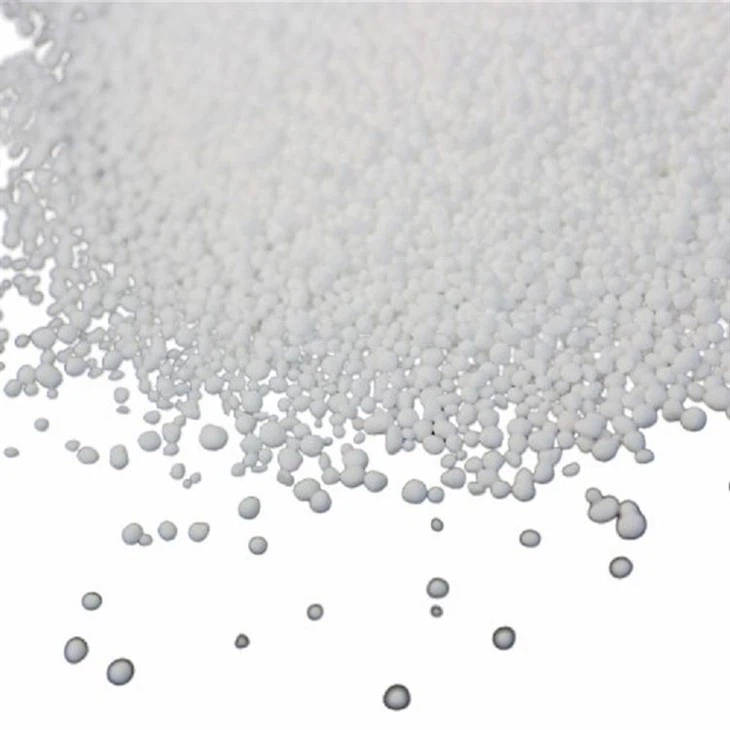
Our Potassium Carbonate Powder is finely ground and has excellent solubility, making it easy to use in various processes. It's produced under strict quality control measures to ensure its purity and consistency.
When it comes to the properties of potassium carbonate, it has some unique characteristics that make it valuable. It's hygroscopic, which means it can absorb moisture from the air. This property can be both an advantage and a challenge, depending on how you're using it. In some applications, like in the production of certain types of batteries, the hygroscopic nature of potassium carbonate can be used to control the moisture content in the system.
In the food industry, potassium carbonate is used as a food additive. It can act as a pH regulator, helping to control the acidity or alkalinity of food products. It's also used in the production of some traditional foods, like Chinese noodles, where it gives the noodles a unique texture.
In the glass industry, potassium carbonate is used to lower the melting point of glass mixtures. This helps in reducing the energy required for the glass - making process and also improves the quality of the glass. The addition of potassium carbonate can enhance the refractive index and chemical resistance of the glass.
If you're considering using potassium carbonate in your business, it's important to understand its handling and storage requirements. Due to its hygroscopic nature, it should be stored in a dry place in sealed containers. When handling it, you should wear appropriate protective equipment, like gloves and goggles, as it can be irritating to the skin and eyes.
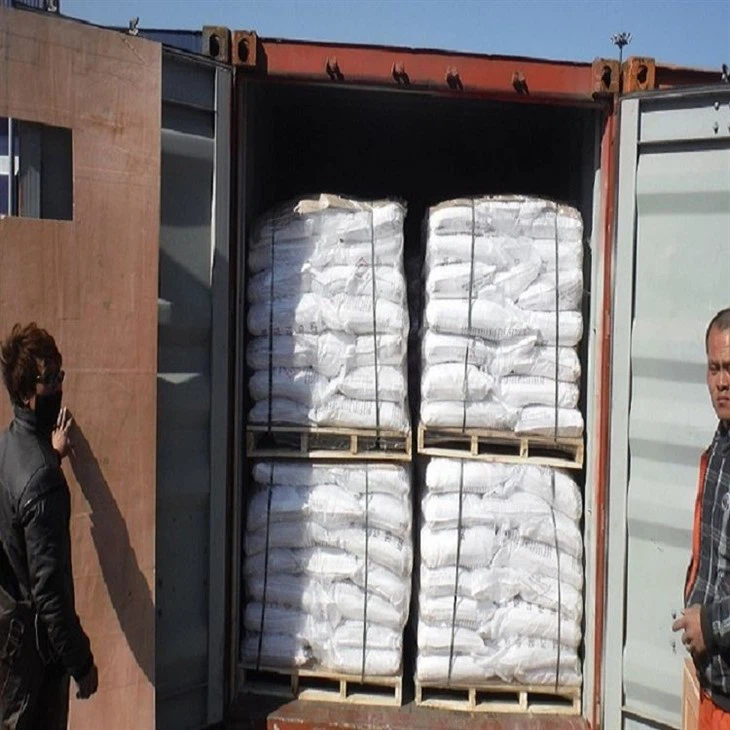
We understand that every customer has different needs, and we're committed to providing the best possible service. Whether you need a small quantity for a laboratory experiment or a large - scale supply for an industrial process, we can work with you to meet your requirements.
If you're interested in learning more about our carbonate of potassium products or have any questions about their applications, don't hesitate to reach out. We're here to help you make the right choice for your business. Whether it's about the thermal stability of potassium carbonate or how it can be used in your specific process, our team of experts is ready to assist you.
So, if you're looking for a reliable supplier of high - quality carbonate of potassium, look no further. Contact us today to start a conversation about your procurement needs. We're confident that our products and services will meet your expectations and help your business thrive.
References:
- Housecroft, C. E., & Sharpe, A. G. (2012). Inorganic Chemistry. Pearson.
- Cotton, F. A., & Wilkinson, G. (1988). Advanced Inorganic Chemistry. Wiley.