


Nitrogen Fertilizer
Your Professional Nitrogen Fertilizer Supplier
Our goal is to become your true partner in the field of nitrogen fertilizer in China. Shanxi Wencheng Chemical Co., Ltd. is a chemical enterprise that engages in producing, developing and marketing inorganic potassium salt products. The company has strong technical force, advanced technology and equipments. Our products have reached and exceeded the national standards. We would like to establish sincere cooperative relationships with new and existing friends for mutual development.
Why choose us
Product Application
Our products are mainly used in various industries as raw materials such as metallurgy, medicine, leather, textile, glass, ceramic, building materials, electroplating, oil industry, and food industry as additives, etc. Some products are applied in the agricultural field as fertilizers and some are used in making advanced high quality compound fertilizers.
Production Market
Our products have been sold to many countries such as Southeast Asia, Middle East, Europe, North and South America, Australia, Africa as well as more than twenty provinces in China.
Our Service
The company has a professional sales team to provide you with high-quality pre-sales consulting services. During the order production process, customers can communicate with us at any time to understand the production progress. At the same time, we provide high-quality after-sales service to meet the different needs of customers.
-
![Calcium Ammonium Nitrate Uses]() Calcium Ammonium Nitrate Uses
Calcium Ammonium Nitrate Uses$ 295.00
-
![Magnesium Nitrate Hexahydrate Flakes]() Magnesium Nitrate Hexahydrate Flakes
Magnesium Nitrate Hexahydrate Flakes$ 285.00
-
![Calcium Nitrate Anhydrous]() Calcium Nitrate Anhydrous
Calcium Nitrate Anhydrous$ 900.00
-
![Calcium Ammonium Nitrat]() Calcium Ammonium Nitrat
Calcium Ammonium Nitrat$ 270.00

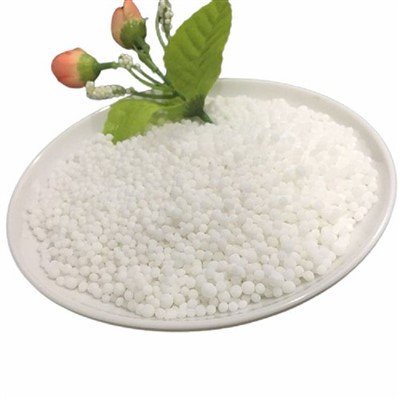


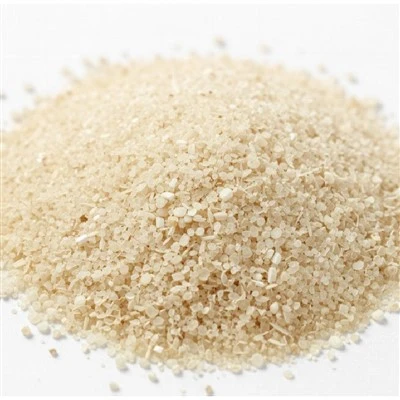


Advantages of Nitrogen Fertilizer
Help maintain soil fertility
Natural nitrogen fertilizers help maintain soil fertility in the long run, promoting a balanced soil ecosystem.
Boost plant health
Nitrogen rich organic fertilizers naturally boost plant health, ensuring a healthier growth process.
Healthier soil environment
Natural fertilizers don't leave behind any artificial compounds, promoting a healthier soil environment.
Considerations For The Use Of Nitrogen Fertilizers In Agriculture
To get the most out of fertilizers with nitrogen, use them wisely. Otherwise, especially if there is excessive fertilization, the result may be a significant decrease in yield rather than an increase. First, take into account the following: Liquid fertilizing products are most effective when applied during active plant growth, as plants readily absorb them. However, improper or excessive application may lead to leaks and scorching of the plant roots.
Dry or pelleted fertilizing products are best suited for less nutrient-hungry periods. But they might rest on the ground, making their volatile compounds more likely to evaporate. Before you apply nitrogen-based fertilizers, consider some other key considerations.


Matching the timing of fertiliser application to coincide with your crops' changing demand will maximise crop N uptake and minimise your fertiliser costs. Always aim to avoid applying fertiliser when soils are waterlogged or likely to become so, for example, before forecast heavy rain. Consider that:
Crops usually only use small amounts of N in early growth stages so if you apply most of the crops projected N needs at or close to planting, N losses are more likely sample soils and, if you're able to, apply 'in-crop' N fertiliser rather than 'up-front' N to better match your crops' demand. Supplying N fertiliser at crop development stages during high N uptake periods can increase N uptake by the crop, provided sufficient follow up rainfall occurs. Most crops require less than 20% of their total N requirement by first flowers2.
If you're converting long-term pasture to crops, minimise the length of fallow, especially in irrigated crops. Long fallows lead to rapid build-up of N in the nitrate form and subsequently, much higher N2O losses compared to short fallows before cropping. Avoid conversion in high rainfall years — for example, when La Niña is forecast.
The Three Forms of Nitrogen Fertilizer
Nitrate fertilizers dissolve readily in water and do not bind to substrate particles. This should make them a good choice for ensuring plants have access to the nitrogen they need. However, that dissolvability is a two-edged sword. This means that nitrite fertilizers are easily displaced by rainfall, and can sink deep into the ground beyond the reach of plants' roots. Or, in dry times, the water may evaporate, allowing the nitrogen to turn into a gas and escape back into the atmosphere. In worst case scenarios, nitrates may even wash away into local rivers or other water sources, creating pollution.
Ammonia and Ammonium can become nitrites through the actions of soil microorganisms, a process called nitrification. Therefore, it's another viable option for providing nitrogen to crops. Further, NH3 ammonia will be converted into ammonium by water within the soil, so it becomes ammonium fertilizer one way or another. Unlike pure nitrates, ammonia-based fertilizers will bind to many materials in soil, such as clay and organic byproducts. This reduces the chances of the nitrogen leaching away.
If the urea fails to go through all three stages, it fails as nitrogen fertilizer. In addition, being water-soluble, it may leach. Fortunately, these processes are relatively quick, taking 3-4 days on average. In all cases, close monitoring of the soil is necessary for proper use of farm nitrogen fertilizer. Soils with high pH values (around 7) in warm weather will be most conducive to turning ammonium into nitrogen. Low pH values and colder temperatures inhibit this process.
Handling and transporting nitrogen fertilizers is a complex and challenging process that requires careful attention to safety, environmental concerns, and best practices. Safe handling depends on how effectively handling problems is addressed.
Shippers looking to prevent emissions should follow safety and environmental guidelines. Several guidelines and regulations are related to handling and storing fertilizers, including measures to prevent runoff and contamination of water sources and proper disposal of any waste material. These guidelines also highlight dust suppression measures, such as using water sprays or misting systems, dust collectors, or applying dust suppressants to manage dust emissions.
Proper storage is also critical when handling fertilizers in bulk. Fertilizers must be stored in a dry, well-ventilated area, ideally away from heat sources, sparks, and flames. To prevent contamination, it’s essential to ensure the shipping containers are clean and free of any residues before loading the fertilizers. Additionally, containers should be properly sealed and labeled to prevent accidental mixing with other substances.
FAQ
We're well-known as one of the best nitrogen fertilizer manufacturers and suppliers in China. If you're going to buy top quality nitrogen fertilizer at competitive price, welcome to get pricelist from our factory.