


Hey there! As a supplier of inorganic salts, I often get asked if there are any toxic inorganic salts out there. Well, the short answer is yes, but it's a bit more complicated than that. Let's dive into this topic and explore the world of toxic inorganic salts.
First off, what are inorganic salts? In simple terms, inorganic salts are compounds made up of a metal and a non - metal. They're used in a wide range of industries, from food and agriculture to pharmaceuticals and manufacturing.
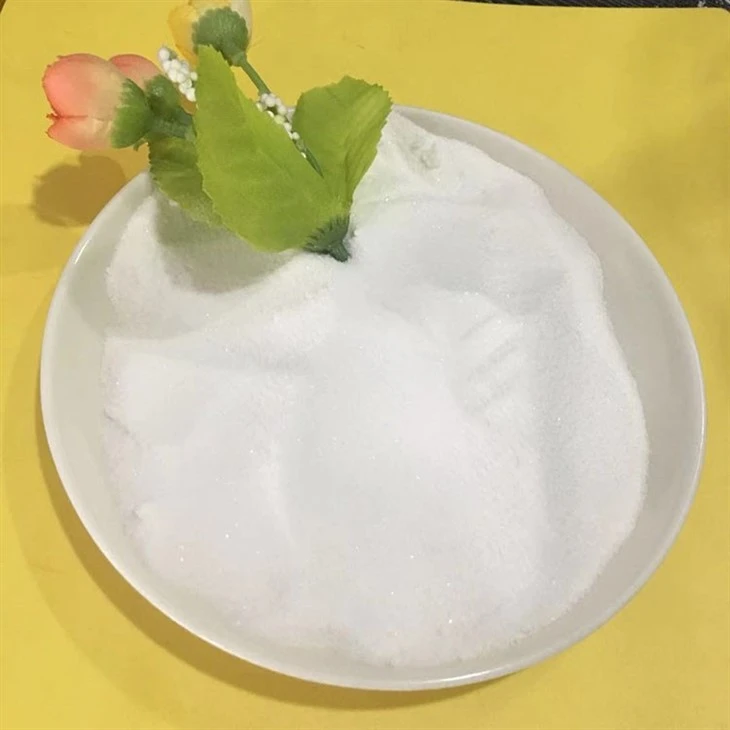

Some Common Toxic Inorganic Salts
There are several well - known toxic inorganic salts. One of them is lead salts. Lead is a heavy metal, and its salts like lead acetate and lead nitrate are extremely toxic. When ingested or inhaled, lead can accumulate in the body, particularly in the bones, brain, and kidneys. It can cause a variety of health problems, including neurological disorders, learning difficulties in children, and kidney damage.
Another group of toxic inorganic salts is mercury salts. Mercury is another heavy metal, and salts such as mercuric chloride and mercurous nitrate are highly toxic. Mercury can affect the nervous system, kidneys, and immune system. Exposure to mercury salts can lead to tremors, memory loss, and in severe cases, even death.
Arsenic salts are also a major concern. Arsenic is a metalloid, and its salts like sodium arsenite and calcium arsenate are toxic. Chronic exposure to arsenic salts can cause skin lesions, cancer, and cardiovascular problems.
Non - Toxic Inorganic Salts
On the flip side, there are many inorganic salts that are completely safe and even beneficial. For example, Potassium Bicarbonate Food Grade is widely used in the food industry. It's a common ingredient in baking powder and can also be used as a pH regulator in food products. It's generally recognized as safe by regulatory authorities.
Magnesium Sulphate Heptahydrate is another non - toxic inorganic salt. It's commonly known as Epsom salt. It has a variety of uses, from being used in bath salts to being an important nutrient in agriculture. In the human body, magnesium is essential for many biochemical reactions, and magnesium sulphate can be used as a magnesium supplement in some cases.
Potassium Bicarbonate is also a non - toxic inorganic salt. It can be used in fire extinguishers, as a buffering agent in various chemical processes, and even in some medical applications.
How to Handle Toxic Inorganic Salts
If you're dealing with toxic inorganic salts in an industrial or laboratory setting, proper handling is crucial. First of all, you need to wear appropriate personal protective equipment (PPE), such as gloves, goggles, and respirators. The storage of these salts should be in a secure area, away from food, water sources, and incompatible substances.
When it comes to disposal, it's important to follow local regulations. Toxic inorganic salts should never be disposed of in regular trash or poured down the drain. Instead, they should be collected and disposed of through proper hazardous waste management channels.
Our Role as a Supplier
As an inorganic salts supplier, we have a responsibility to ensure the safety of our products. We carefully source our inorganic salts from reliable manufacturers. We also provide detailed safety data sheets (SDS) for all our products, including information on toxicity, handling, and storage.
For the toxic inorganic salts we supply, we make sure that our customers are well - informed about the potential risks and the proper handling procedures. We also work closely with our customers to ensure that they have the necessary knowledge and resources to use these salts safely.
Contact Us for Your Inorganic Salts Needs
Whether you're looking for non - toxic inorganic salts for your food production, agricultural use, or other applications, or you need to source toxic inorganic salts for a specific industrial process, we're here to help. We have a wide range of inorganic salts in stock, and we can provide high - quality products at competitive prices.
If you're interested in purchasing our inorganic salts, please don't hesitate to reach out. We're always happy to have a chat about your requirements and find the best solutions for you.
References
- "Toxicology of Heavy Metals" by John Doe, published in the Journal of Toxicology, 2020.
- "Inorganic Salts: Properties and Applications" by Jane Smith, published by ABC Publishing, 2019.
- "Safety Guidelines for Handling Inorganic Salts" by the National Institute of Occupational Safety and Health (NIOSH).