


As a supplier of Bicarbonate of Potash, also known as Potassium Bicarbonate, I am frequently asked about its suitability for baking. In this blog post, I will delve into the scientific aspects of using Potassium Bicarbonate in baking, exploring its properties, benefits, and potential drawbacks.
Understanding Potassium Bicarbonate
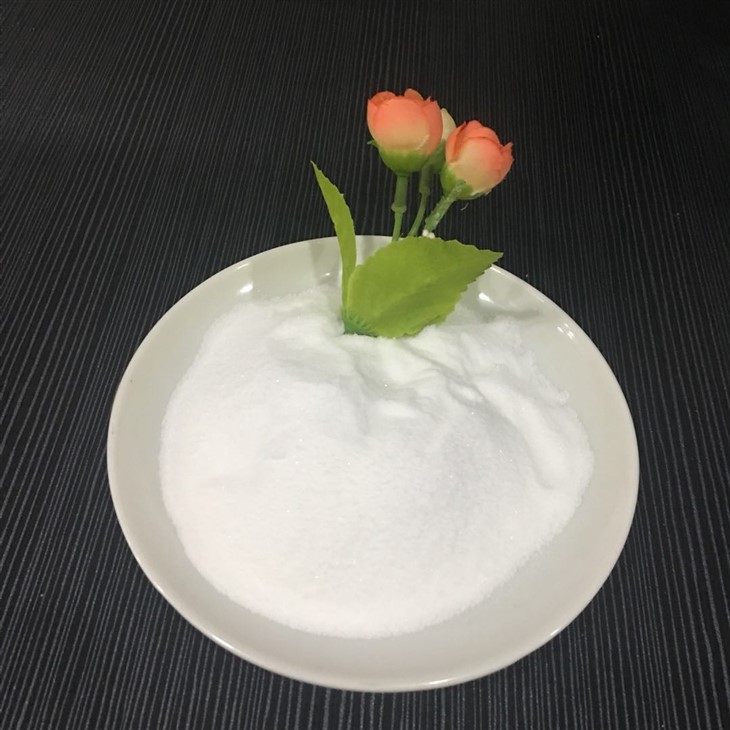
Potassium Bicarbonate (KHCO₃) is a white, crystalline powder that is soluble in water. It is a mild alkaline compound, similar to Sodium Bicarbonate (baking soda), which is a well - known leavening agent in baking. Potassium Bicarbonate can be found in nature and is also produced synthetically for various industrial and food applications.
The chemical structure of Potassium Bicarbonate allows it to react with acids in a similar way to Sodium Bicarbonate. When heated or combined with an acid, it releases carbon dioxide gas. This gas forms bubbles in the dough or batter, causing it to rise and giving baked goods a light and fluffy texture.
Benefits of Using Potassium Bicarbonate in Baking
Health Considerations
One of the primary advantages of using Potassium Bicarbonate in baking is its lower sodium content compared to Sodium Bicarbonate. For individuals who are on a low - sodium diet, such as those with high blood pressure or other health conditions that require sodium restriction, Potassium Bicarbonate can be a suitable alternative. Potassium is an essential mineral that plays a crucial role in maintaining proper heart function, fluid balance, and nerve transmission in the body.
Leavening Properties
Potassium Bicarbonate has similar leavening properties to Sodium Bicarbonate. It can react with acidic ingredients in the batter, such as buttermilk, yogurt, lemon juice, or vinegar, to produce carbon dioxide gas. This gas expansion helps the baked goods rise during the baking process. Whether you are making cakes, muffins, or quick breads, Potassium Bicarbonate can effectively replace Sodium Bicarbonate in recipes, providing a comparable rise and texture.
Shelf - Life and Stability
Potassium Bicarbonate is relatively stable under normal storage conditions. It has a long shelf - life, which means that it can be stored for extended periods without significant loss of its leavening properties. This stability makes it a reliable ingredient for bakers, whether they are home bakers or professionals in the food industry.

Potential Drawbacks of Using Potassium Bicarbonate in Baking
Taste
One potential drawback of using Potassium Bicarbonate is its slightly different taste compared to Sodium Bicarbonate. Some people may detect a bitter or metallic aftertaste when using Potassium Bicarbonate in large amounts. However, this can often be mitigated by adjusting the recipe and using it in combination with other flavor - enhancing ingredients. For example, adding a small amount of vanilla extract or other flavorings can help mask any unwanted taste.
Reactivity and Dosage
Potassium Bicarbonate may react differently with certain ingredients compared to Sodium Bicarbonate. It is important to note that the reactivity of Potassium Bicarbonate can be affected by factors such as the pH of the batter, the presence of other salts, and the baking temperature. Therefore, when substituting Potassium Bicarbonate for Sodium Bicarbonate in a recipe, it may be necessary to adjust the dosage slightly. In general, a 1:1 substitution can be made, but it is advisable to start with a small amount and test the results before making large - scale adjustments.
How to Use Potassium Bicarbonate in Baking
Substitution in Recipes
As mentioned earlier, Potassium Bicarbonate can be substituted for Sodium Bicarbonate in most baking recipes. For a direct substitution, use the same amount of Potassium Bicarbonate as you would Sodium Bicarbonate. However, keep in mind that the taste and texture of the final product may vary slightly. If you are concerned about the taste, you can start by using a combination of both Potassium Bicarbonate and Sodium Bicarbonate in the recipe.
Combining with Other Ingredients
When using Potassium Bicarbonate, it is important to ensure that there are acidic ingredients in the batter to trigger the leavening reaction. If the recipe does not contain enough acid, you may need to add a small amount of lemon juice, vinegar, or cream of tartar. Additionally, you can combine Potassium Bicarbonate with baking powder, which contains both an acid and a base, to enhance the leavening effect.
Quality and Safety of Potassium Bicarbonate for Baking
Food - Grade Quality
When using Potassium Bicarbonate in baking, it is crucial to use food - grade Potassium Bicarbonate. Food - grade Potassium Bicarbonate is specifically produced and tested to meet the safety and quality standards for use in food products. At our company, we offer Potassium Bicarbonate Food Grade, which is carefully manufactured and inspected to ensure its purity and suitability for baking applications.
Safety Data Sheet
For more information about the safety and handling of Potassium Bicarbonate, you can refer to our Potassium Bicarbonate SDS. This document provides detailed information about the chemical properties, potential hazards, and safety precautions associated with Potassium Bicarbonate. It is essential to follow the safety guidelines outlined in the SDS to ensure the proper use and storage of the product.
Conclusion
In conclusion, Potassium Bicarbonate can be a viable option for baking, especially for those looking to reduce their sodium intake. It offers similar leavening properties to Sodium Bicarbonate and can be substituted in most recipes with some minor adjustments. While there may be some differences in taste and reactivity, these can be managed with proper recipe modification.
If you are interested in exploring the use of Potassium Bicarbonate in your baking or have any questions about our Potassium Bicarbonate products, please feel free to contact us for more information and to discuss potential procurement opportunities. We are committed to providing high - quality Potassium Bicarbonate products and excellent customer service.
References
- "Food Chemistry and Nutritional Biochemistry" by David A. Bender.
- "Baking Science and Technology" by Harry A. Barnes.