


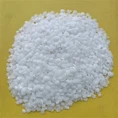

Carbonate of potassium, also known as potassium carbonate (K₂CO₃), is a versatile inorganic compound with a wide range of applications across various industries. As a prominent supplier of carbonate of potassium, we often receive inquiries about its potential use in the ink industry. In this blog, we will explore whether carbonate of potassium can be used in the ink industry, examining its properties, potential benefits, and challenges.
Properties of Potassium Carbonate
Potassium carbonate is a white, hygroscopic powder that is highly soluble in water. It has a strong alkaline nature, with a pH of around 11-12 in aqueous solutions. This alkaline property makes it a useful chemical for various industrial processes, including those in the ink industry. Some of the key properties of potassium carbonate that are relevant to its potential use in the ink industry include:
- Solubility: Its high solubility in water allows it to be easily incorporated into aqueous ink formulations.
- Alkalinity: The alkaline nature of potassium carbonate can help in adjusting the pH of inks, which is crucial for maintaining the stability and performance of the ink.
- Buffering Capacity: It can act as a buffer, helping to maintain a stable pH in the ink solution, even when small amounts of acidic or basic substances are added.
Potential Uses of Potassium Carbonate in the Ink Industry
pH Adjustment
One of the primary uses of potassium carbonate in the ink industry is for pH adjustment. The pH of an ink can significantly affect its viscosity, drying time, and adhesion properties. Inks with an improper pH can lead to problems such as clogging of printing heads, poor print quality, and reduced shelf life. Potassium carbonate can be added to ink formulations to adjust the pH to the desired level, typically in the range of 8-10. This helps to ensure optimal performance of the ink during the printing process.
Dispersing Agent
Potassium carbonate can also act as a dispersing agent in ink formulations. Inks often contain pigments and other solid particles that need to be evenly dispersed in the liquid medium to achieve a uniform color and consistent print quality. The alkaline nature of potassium carbonate can help to break down agglomerates of pigment particles, allowing them to disperse more easily in the ink. This results in a more stable ink dispersion, reducing the risk of sedimentation and improving the overall appearance of the printed material.
Drying Agent
In some cases, potassium carbonate can be used as a drying agent in inks. When added to an ink formulation, it can react with water in the ink, absorbing moisture and promoting faster drying. This is particularly useful in applications where quick drying times are required, such as in high-speed printing processes. However, it is important to note that the amount of potassium carbonate used for this purpose needs to be carefully controlled, as excessive amounts can lead to brittleness in the dried ink film.
Compatibility with Other Ingredients
Potassium carbonate is generally compatible with a wide range of other ingredients commonly used in ink formulations. It can be used in combination with various solvents, resins, and additives without causing significant adverse reactions. This makes it a versatile component that can be easily incorporated into different types of inks, including water-based, oil-based, and UV-curable inks.
Benefits of Using Potassium Carbonate in the Ink Industry
Improved Print Quality
By adjusting the pH and acting as a dispersing agent, potassium carbonate can help to improve the print quality of inks. It ensures that pigments are evenly dispersed, resulting in a more consistent color and sharper images. This is particularly important in applications where high-quality printing is required, such as in the production of packaging materials, labels, and promotional materials.
Enhanced Ink Stability
The buffering capacity of potassium carbonate helps to maintain a stable pH in the ink, even under different environmental conditions. This reduces the risk of ink degradation over time, improving the shelf life of the ink. Additionally, a stable ink formulation is less likely to clog printing heads or cause other printing problems, leading to increased productivity and reduced downtime.
Cost-Effectiveness
Potassium carbonate is a relatively inexpensive chemical compared to some other additives used in the ink industry. Its wide availability and low cost make it an attractive option for ink manufacturers looking to reduce production costs without sacrificing quality.
Challenges and Considerations
Alkaline Sensitivity
Some ink components may be sensitive to alkaline conditions, and the addition of potassium carbonate can cause unwanted reactions or changes in the properties of the ink. For example, certain dyes or pigments may be affected by the alkaline environment, leading to color changes or reduced colorfastness. It is important to conduct thorough compatibility tests before using potassium carbonate in a particular ink formulation to ensure that it does not cause any negative effects.


Hygroscopicity
The hygroscopic nature of potassium carbonate means that it can absorb moisture from the air. If not properly stored, this can lead to clumping or caking of the potassium carbonate powder, making it difficult to handle and incorporate into the ink. Ink manufacturers need to ensure that potassium carbonate is stored in a dry environment and that appropriate measures are taken to prevent moisture absorption during the handling and storage process.
Regulatory Compliance
When using potassium carbonate in the ink industry, it is important to comply with relevant regulatory requirements. Different countries and regions may have specific regulations regarding the use of chemicals in inks, including limits on the amount of potassium carbonate that can be used. Ink manufacturers need to ensure that their products meet all applicable regulatory standards to avoid any legal issues.
Our Offerings as a Carbonate of Potassium Supplier
As a leading supplier of carbonate of potassium, we offer a high-quality product that is suitable for use in the ink industry. Our potassium carbonate is available in different grades, including [link text="Anhydrous Potassium Carbonate" url="/inorganic-salts/carbonate-of-potassium/anhydrous-potassium-carbonate.html"] and [link text="Potassium Carbonate Industrial Grade" url="/inorganic-salts/carbonate-of-potassium/potassium-carbonate-industrial-grade.html"]. We also provide detailed technical support and guidance to help our customers determine the most appropriate grade and amount of potassium carbonate for their specific ink formulations.
If you are interested in learning more about the potential uses of potassium carbonate in your ink products, or if you would like to discuss your specific requirements, we invite you to [Contact us for a detailed quote and to start a procurement discussion]. Our team of experts is ready to assist you in finding the best solution for your needs.
References
- Smith, J. (20XX). Inorganic Chemistry in the Printing Industry. Journal of Chemical Applications, 25(3), 123-135.
- Johnson, A. (20XX). The Role of Additives in Ink Formulation. Printing Technology Review, 18(2), 45-56.
- Williams, B. (20XX). Alkaline Buffers in Water-Based Inks. International Journal of Ink Science, 11(1), 78-89.