


Can carbonate of potassium be used in the rubber industry? This is a question that has intrigued many in the industrial and scientific communities. As a supplier of carbonate of potassium, I've had the privilege of exploring this topic in depth. In this blog, I'll share my insights on whether carbonate of potassium can play a role in the rubber industry, backed by scientific knowledge and practical experience.
Understanding Carbonate of Potassium
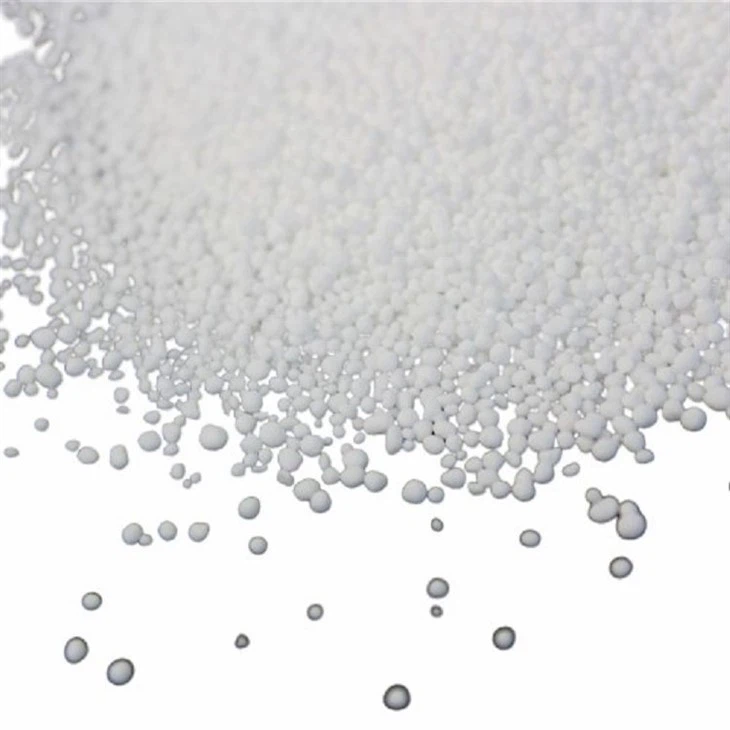
Before delving into its potential use in the rubber industry, let's first understand what carbonate of potassium is. Potassium carbonate, with the chemical formula K₂CO₃, is an inorganic salt. It is a white, hygroscopic solid that is highly soluble in water. There are different forms of potassium carbonate, including the Anhydrous Potassium Carbonate, which is free from water molecules.
Potassium carbonate has a wide range of applications in various industries. Its alkaline nature makes it useful in processes that require a base. For instance, it is commonly used in the production of glass, soap, and as a food additive. You can learn more about its diverse applications on the Potassium Carbonate Uses page.
The Rubber Industry: A Complex Landscape
The rubber industry is a vast and complex sector that encompasses the production of natural and synthetic rubber products. Rubber is used in countless applications, from tires and automotive parts to consumer goods and medical devices. The properties of rubber, such as its elasticity, durability, and resistance to heat and chemicals, are crucial for its performance in these applications.
The manufacturing process of rubber involves several steps, including compounding, mixing, and vulcanization. Compounding is the process of adding various additives to the rubber to enhance its properties. These additives can include fillers, plasticizers, antioxidants, and accelerators. Vulcanization is a chemical process that cross - links the rubber molecules, making the rubber more durable and resistant to wear and tear.
Potential Uses of Carbonate of Potassium in the Rubber Industry
pH Regulation
One of the potential uses of potassium carbonate in the rubber industry is pH regulation. During the rubber compounding and processing, maintaining the right pH is crucial. The alkaline nature of potassium carbonate can be used to adjust the pH of the rubber mixture. A proper pH level can influence the reactivity of the additives and the overall performance of the rubber. For example, in some rubber formulations, a slightly alkaline environment can enhance the activity of certain accelerators, leading to a more efficient vulcanization process.
Fillers and Reinforcements
Potassium carbonate can also potentially act as a filler or reinforcement in rubber. Fillers are added to rubber to improve its mechanical properties, such as hardness, tensile strength, and abrasion resistance. When used as a filler, potassium carbonate particles can be dispersed throughout the rubber matrix, providing additional support and structure. However, the particle size and surface properties of potassium carbonate need to be carefully controlled to ensure proper dispersion and compatibility with the rubber.
Antioxidant Properties
Another aspect to consider is the potential antioxidant properties of potassium carbonate. Oxidation can cause rubber to degrade over time, leading to a loss of its mechanical properties. Some studies suggest that certain inorganic salts, including potassium carbonate, may have antioxidant effects. By preventing or slowing down the oxidation process, potassium carbonate could help extend the lifespan of rubber products.
Challenges and Considerations
While there are potential uses for potassium carbonate in the rubber industry, there are also several challenges and considerations.
Compatibility
One of the main challenges is the compatibility of potassium carbonate with the rubber matrix and other additives. If potassium carbonate is not compatible, it can lead to phase separation, poor dispersion, and reduced mechanical properties of the rubber. The surface chemistry of potassium carbonate needs to be modified or optimized to ensure good adhesion and interaction with the rubber.
Hygroscopicity
Potassium carbonate is hygroscopic, which means it can absorb moisture from the environment. In the rubber industry, moisture can be a significant problem. Excess moisture in the rubber mixture can cause voids, bubbles, and reduced mechanical properties. Therefore, special precautions need to be taken to store and handle potassium carbonate to prevent moisture absorption.
Cost - Effectiveness
From a commercial perspective, the cost - effectiveness of using potassium carbonate in the rubber industry needs to be evaluated. The price of potassium carbonate, along with the additional processing steps required to use it effectively, needs to be compared with other existing additives. If the cost of using potassium carbonate is too high, it may not be a viable option for rubber manufacturers.
Real - World Applications and Case Studies
Although the use of potassium carbonate in the rubber industry is not as widespread as some other additives, there are some real - world applications and case studies that demonstrate its potential.
In some specialty rubber products, such as high - performance seals and gaskets, potassium carbonate has been used as a pH regulator and filler. These products require precise control of their properties, and the addition of potassium carbonate has been shown to improve the overall performance. For example, in a case study involving a rubber gasket manufacturer, the addition of a small amount of potassium carbonate helped to adjust the pH of the rubber compound, resulting in a more consistent vulcanization process and improved sealing performance.
Conclusion
In conclusion, carbonate of potassium, or Potassium Carbonate K₂CO₃, has the potential to be used in the rubber industry. Its properties, such as pH regulation, potential filler and antioxidant effects, make it an interesting candidate for further exploration. However, there are challenges related to compatibility, hygroscopicity, and cost - effectiveness that need to be addressed.
As a supplier of carbonate of potassium, I am committed to working with rubber manufacturers to explore the full potential of this versatile inorganic salt. If you are a rubber manufacturer or involved in the rubber industry and are interested in learning more about how carbonate of potassium can be used in your processes, I encourage you to reach out for a detailed discussion. We can work together to conduct trials, optimize formulations, and find the best solutions for your specific needs. Contact us to start the procurement and negotiation process and discover the benefits of using carbonate of potassium in your rubber products.

References
- ASTM International. (20XX). Standard test methods for rubber properties.
- Rubber Manufacturers Association. (20XX). Rubber industry handbook.
- Journal of Rubber Research. Various issues.