


Hey there! As a potassium fertilizer supplier, I often get asked if potassium fertilizer can be used in greenhouse cultivation. Well, let me tell you, the answer is a big yes! In this blog, I'll dive into why potassium fertilizer is a great choice for greenhouse growers, the types of potassium fertilizers available, and how to use them effectively.
Why Potassium Fertilizer is Essential for Greenhouse Cultivation
First off, let's talk about why potassium is so important for plants in general, and especially in a greenhouse setting. Potassium is one of the three primary macronutrients that plants need, along with nitrogen and phosphorus. It plays a crucial role in many physiological processes, such as photosynthesis, enzyme activation, and the regulation of water movement within the plant.
In a greenhouse, where plants are often grown in a more controlled environment, the need for potassium can be even more pronounced. Greenhouse crops tend to have a higher growth rate and a greater demand for nutrients compared to outdoor plants. Potassium helps plants develop strong roots, which are essential for absorbing water and nutrients from the soil. It also improves the plant's resistance to diseases, pests, and environmental stresses, like drought and temperature fluctuations.
Another benefit of using potassium fertilizer in the greenhouse is that it can enhance the quality of the produce. Potassium is involved in the synthesis of sugars and starches, which means it can improve the flavor, color, and shelf life of fruits and vegetables. For example, tomatoes grown with adequate potassium levels tend to be sweeter and have a more vibrant color.

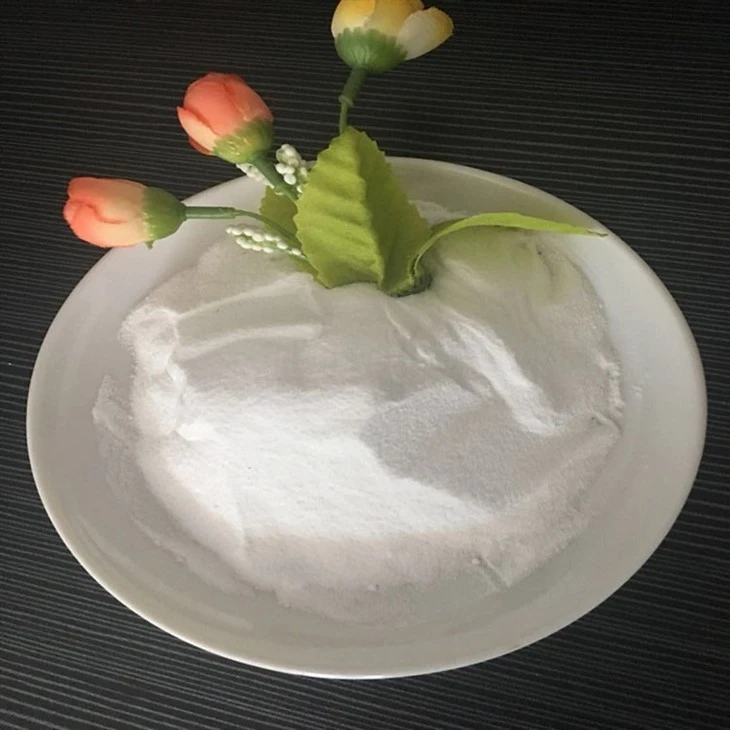
Types of Potassium Fertilizers for Greenhouse Use
Now that we know why potassium is important for greenhouse cultivation, let's take a look at the different types of potassium fertilizers available. There are several options to choose from, each with its own advantages and disadvantages.
Potassium Nitrate
Potassium nitrate is a popular choice for greenhouse growers because it contains both potassium and nitrogen, two essential nutrients for plant growth. It's a water-soluble fertilizer that can be easily applied through irrigation systems or foliar sprays. Potassium nitrate is also known for its fast-acting properties, which means it can quickly provide plants with the nutrients they need.
If you're interested in learning more about potassium nitrate for plants, you can check out this link: Potassium Nitrate for Plants. It provides detailed information about the benefits and uses of potassium nitrate in agriculture.
Water Soluble Potassium Nitrate
Water soluble potassium nitrate is a highly concentrated form of potassium nitrate that dissolves quickly in water. This makes it ideal for use in hydroponic systems or for foliar feeding. It's also a good choice for greenhouse growers who want to provide their plants with a quick boost of nutrients.
To learn more about water soluble potassium nitrate, click on this link: Water Soluble Potassium Nitrate. It has all the information you need to know about this type of potassium fertilizer.
Agricultural Grade Potassium Sulphate
Agricultural grade potassium sulphate is another common potassium fertilizer used in greenhouse cultivation. It's a source of both potassium and sulfur, which are important for plant health. Potassium sulphate is a good choice for crops that are sensitive to chloride, as it doesn't contain any chloride ions.
If you're interested in using agricultural grade potassium sulphate in your greenhouse, you can find more information here: Agricultural Grade Potassium Sulphate. It provides details about the product's features and benefits.
How to Use Potassium Fertilizer in the Greenhouse
Now that you know the different types of potassium fertilizers available, let's talk about how to use them effectively in the greenhouse. Here are some tips to keep in mind:
Soil Testing
Before applying any fertilizer, it's important to test your soil to determine its nutrient content. This will help you determine how much potassium fertilizer you need to apply and what type is best suited for your soil. You can send a soil sample to a laboratory for testing or use a home soil testing kit.
Application Rates
The amount of potassium fertilizer you need to apply will depend on several factors, such as the type of crop you're growing, the soil type, and the stage of plant growth. It's important to follow the manufacturer's instructions when applying fertilizer to avoid over- or under-fertilizing your plants.
Application Methods
There are several ways to apply potassium fertilizer in the greenhouse, including broadcasting, banding, and foliar spraying. Broadcasting involves spreading the fertilizer evenly over the soil surface, while banding involves placing the fertilizer in a narrow strip along the row of plants. Foliar spraying involves applying the fertilizer directly to the leaves of the plants.
Timing
The timing of fertilizer application is also important. In general, it's best to apply potassium fertilizer before planting or during the early stages of plant growth. This will help ensure that the plants have access to the nutrients they need when they need them the most.
Conclusion
In conclusion, potassium fertilizer is an essential component of greenhouse cultivation. It provides plants with the nutrients they need to grow healthy and strong, improve the quality of the produce, and resist diseases and pests. There are several types of potassium fertilizers available, each with its own advantages and disadvantages. By testing your soil, following the manufacturer's instructions, and using the right application method and timing, you can ensure that your greenhouse crops receive the optimal amount of potassium fertilizer.
If you're interested in purchasing potassium fertilizer for your greenhouse, I'd be happy to help. Just reach out to me for a consultation, and we can discuss your specific needs and find the best potassium fertilizer solution for your crops.
References
- Havlin, J. L., Tisdale, S. L., Nelson, W. L., & Beaton, J. D. (1999). Soil Fertility and Fertilizers: An Introduction to Nutrient Management. Prentice Hall.
- Marschner, P. (2012). Mineral Nutrition of Higher Plants. Academic Press.