


Potassium nitrite, a chemical compound with the formula KNO₂, is well - known for its various industrial uses. As a supplier of Potassium Nitrite Uses, I often get asked about its potential applications in different fields, especially in the shaping of ceramic products. So, let's dive right in and explore if potassium nitrite has any role to play in ceramic shaping.
The Basics of Potassium Nitrite
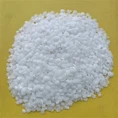
First off, it's essential to understand what potassium nitrite is. It's an inorganic salt that appears as a white to slightly yellowish crystalline powder. It's highly soluble in water and has some unique chemical properties. You can learn more about the physical form of this compound by checking out our Potassium Nitrite Crystal page.
Potassium nitrite is commonly used in several industries. It's a key ingredient in the meat - curing process, where it helps prevent the growth of bacteria and gives cured meats their characteristic pink color. In the chemical industry, it serves as a reducing agent and is involved in the synthesis of various organic compounds. You can find a more detailed list of its uses on our Potassium Nitrite Uses page.
Ceramic Shaping: An Overview
Ceramic shaping is a complex process that involves transforming raw ceramic materials into desired forms. There are several methods of ceramic shaping, including hand - building, wheel - throwing, slip - casting, and extrusion. Each method has its own set of requirements and challenges, and the choice of additives can significantly impact the final outcome.


The raw materials used in ceramics, such as clay and feldspar, have different properties. Clay, for example, is known for its plasticity, which allows it to be molded easily. However, during the shaping and firing processes, ceramics can face issues like cracking, warping, and poor adhesion. That's where additives come in handy.
Potential Applications of Potassium Nitrite in Ceramic Shaping
1. As a Binder Enhancer
One possible application of potassium nitrite in ceramic shaping is as a binder enhancer. In ceramic mixtures, binders are used to hold the particles together, improving the strength and cohesion of the material. Potassium nitrite can potentially interact with the clay particles and other components in the ceramic mixture.
It might form weak chemical bonds with the surface of the clay particles, creating a more stable network. This enhanced network could lead to better adhesion between the particles, reducing the chances of cracking during the drying and firing processes. For example, in slip - casting, where a liquid ceramic slurry is poured into a mold, a stronger binder system can help the slurry hold its shape better as it dries.
2. Impact on Drying and Firing
The drying and firing processes are crucial in ceramic production. Potassium nitrite could potentially affect the rate of water evaporation during the drying process. It might act as a moisture - regulating agent, allowing the ceramic piece to dry more evenly. Uneven drying can cause internal stresses in the ceramic, leading to cracks.
During firing, potassium nitrite could participate in some chemical reactions. At high temperatures, it might decompose and release gases. These gases could create small pores in the ceramic structure, which can be beneficial in some cases. For instance, in porous ceramics used for filtration or insulation, controlled porosity is desirable.
3. Color and Aesthetic Effects
Although not a primary function, potassium nitrite could also have an impact on the color and aesthetic appearance of the ceramic products. Some chemical compounds can react with the minerals in the ceramic during firing to produce unique colors. Potassium nitrite might react with iron or other metal impurities in the clay, resulting in subtle color changes. This could open up new possibilities for creating unique and visually appealing ceramic pieces.
Challenges and Considerations
While there are potential applications of potassium nitrite in ceramic shaping, there are also some challenges and considerations.
1. Safety
Potassium nitrite is a toxic substance. It can cause irritation to the skin, eyes, and respiratory system. In ceramic production facilities, proper safety measures need to be in place to handle potassium nitrite. Workers should wear appropriate protective equipment, and the compound should be stored and used in well - ventilated areas. You can find detailed safety information on our Potassium Nitrite SDS page.
2. Compatibility
The compatibility of potassium nitrite with other ceramic additives and raw materials needs to be carefully studied. It might react with certain chemicals in the ceramic mixture, leading to unexpected results. For example, it could react with acids or other salts present in the clay, altering the chemical composition and properties of the ceramic.
3. Cost - Effectiveness
The cost of using potassium nitrite in ceramic shaping also needs to be considered. If the benefits of using it do not outweigh the cost, it might not be a practical option for ceramic manufacturers. Extensive research and testing would be required to determine if the addition of potassium nitrite can lead to significant improvements in the quality and performance of the ceramic products at a reasonable cost.
Conclusion
In conclusion, while the use of potassium nitrite in ceramic shaping is not a well - established practice, there are some potential applications. It could act as a binder enhancer, affect the drying and firing processes, and even have an impact on the color and aesthetic appearance of the ceramic products. However, there are also challenges related to safety, compatibility, and cost - effectiveness that need to be addressed.
As a supplier of Potassium Nitrite Uses, we are committed to providing high - quality products and supporting research in this area. If you're a ceramic manufacturer interested in exploring the potential of potassium nitrite in your production processes, we'd love to hear from you. Contact us to start a discussion about how potassium nitrite could be a valuable addition to your ceramic shaping operations.
References
- Kingery, W. D., Bowen, H. K., & Uhlmann, D. R. (1976). Introduction to Ceramics. Wiley.
- ASTM International. (2019). Standard Terminology Relating to Ceramics. ASTM C242 - 19.