




In the vast and dynamic world of the textile industry, inorganic salts play a pivotal role, contributing to a wide range of processes from pre - treatment to the final finishing of fabrics. As an established inorganic salts supplier, I have witnessed firsthand how these seemingly simple compounds can have a profound impact on the quality, functionality, and appearance of textiles.
Pre - treatment Processes
Scouring
Scouring is a crucial pre - treatment step in textile manufacturing that aims to remove natural impurities such as waxes, oils, and pectins from raw fibers. Sodium carbonate (soda ash) is one of the most commonly used inorganic salts in this process. It creates an alkaline environment in the scouring bath, which helps to saponify fats and oils into soluble soaps. These soaps can then be easily washed away from the fibers. The use of sodium carbonate not only cleans the fibers effectively but also enhances their absorbency, which is essential for subsequent dyeing and finishing processes. Sodium hydroxide can also be used in scouring, especially for cotton fibers. It is a stronger alkali and can break down more stubborn impurities, but it needs to be used with caution as it can damage the fibers if not properly controlled.
Bleaching
Bleaching is carried out to remove natural colorants from fibers and improve the whiteness of the fabric. Hydrogen peroxide is often used as a bleaching agent, but it requires an appropriate inorganic salt catalyst such as sodium silicate. Sodium silicate acts as a stabilizer, controlling the decomposition rate of hydrogen peroxide. This ensures that the bleaching process is both effective and gentle on the fibers, preventing excessive damage. Another important inorganic salt used in bleaching is sodium chlorite. It is a popular choice for bleaching synthetic fibers and specialty fabrics because it provides a more selective bleaching action compared to other bleaching agents.
Dyeing
Dye Fixation
Dyeing is a complex process that involves the transfer of dyes from the dye bath to the textile fibers. Inorganic salts are used to enhance the fixation of dyes onto the fibers. For example, sodium chloride (common salt) is widely used in direct dyeing processes. When added to the dye bath, sodium chloride reduces the negative charge on the surface of the fibers, allowing the anionic dye molecules to approach and bind more easily to the fibers. This results in increased dye uptake and better color fastness.

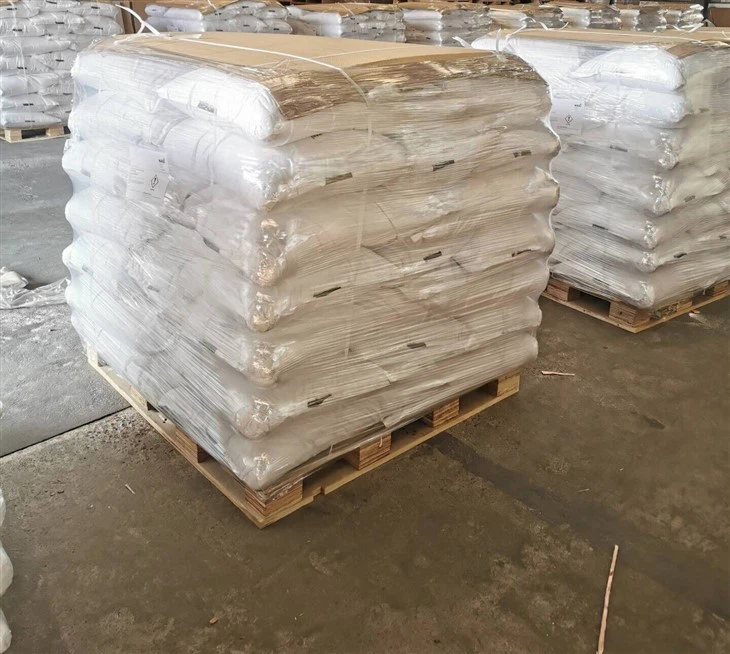
Another important salt for dye fixation is Ammonium Chloride. It is often used in the dyeing of wool and silk. Ammonium chloride can adjust the pH of the dye bath, creating an optimal environment for dye - fiber interaction. It also helps to open up the fiber structure, facilitating the penetration of dye molecules into the fibers.
Mordanting
Mordanting is a technique used to improve the color fastness and intensity of dyes, especially natural dyes. Metal salts such as aluminum sulfate, ferrous sulfate, and copper sulfate are commonly used as mordants. These salts form complexes with the dye molecules and the fibers, creating a stronger bond between them. For instance, aluminum sulfate is a popular mordant for natural dyes on cotton and silk. It not only enhances the color fastness but also can modify the color shade of the dyed fabric. Ferrous sulfate, on the other hand, can produce darker and more earthy tones when used as a mordant, and it is often used in combination with other mordants to achieve a wider range of colors.
Finishing Processes
Flame Retardancy
Inorganic salts are widely used to impart flame - retardant properties to textiles. One of the most common flame - retardant salts is ammonium phosphate. When applied to textiles, ammonium phosphate decomposes upon heating, releasing ammonia and phosphoric acid. The ammonia dilutes the oxygen in the surrounding area, while the phosphoric acid forms a protective char layer on the fabric surface. This char layer acts as a barrier, preventing the further spread of fire and reducing the flammability of the textile.
Another important flame - retardant salt is antimony trioxide. It is often used in combination with halogenated compounds. When the fabric is exposed to fire, the halogenated compounds react with antimony trioxide to form antimony halides, which are effective in suppressing the combustion process by removing free radicals from the flame zone.
Water Repellency
Sodium stearate is an inorganic salt that can be used to make textiles water - repellent. When applied to the fabric surface, sodium stearate forms a hydrophobic layer. The long - chain fatty acid portion of the stearate molecule aligns itself in a way that repels water droplets, preventing them from penetrating the fabric. This makes the textile suitable for outdoor applications where water resistance is required.
Antistatic Properties
Inorganic salts such as magnesium chloride can be used to reduce static electricity in textiles. Static electricity can cause problems such as dust attraction and discomfort to the wearer. Magnesium chloride absorbs moisture from the air, creating a thin layer of conductive water on the fabric surface. This layer helps to dissipate static charges, reducing the build - up of static electricity.
Impact on Textile Quality and Sustainability
The use of inorganic salts in the textile industry has a significant impact on textile quality. By improving dye fixation, color fastness, and imparting various functional properties such as flame retardancy and water repellency, inorganic salts ensure that textiles meet the high standards demanded by consumers.
From a sustainability perspective, the use of inorganic salts can be both beneficial and challenging. On one hand, some inorganic salts are relatively inexpensive and readily available, which can reduce the overall cost of textile production. Additionally, the use of certain inorganic salts in pre - treatment and finishing processes can extend the lifespan of textiles, reducing the need for frequent replacements. On the other hand, the improper disposal of inorganic salts used in textile manufacturing can lead to environmental pollution. For example, the discharge of salt - containing wastewater into water bodies can disrupt aquatic ecosystems. Therefore, it is crucial for textile manufacturers to adopt proper waste treatment and recycling methods to minimize the environmental impact of inorganic salt use.
Conclusion
In conclusion, inorganic salts are indispensable in the textile industry, playing a vital role in pre - treatment, dyeing, and finishing processes. Their ability to enhance the quality, functionality, and appearance of textiles makes them a key component of modern textile manufacturing. As an inorganic salts supplier, I am committed to providing high - quality products that meet the diverse needs of the textile industry. Whether you are looking for salts for scouring, dyeing, or imparting special properties to your textiles, we have the right solutions for you.
If you are interested in learning more about our inorganic salts products or would like to discuss your specific requirements for the textile industry, please feel free to contact us. We are eager to engage in procurement discussions and help you find the best inorganic salts for your textile manufacturing processes.
References
- Lewis, R. J. (Ed.). (2004). Hawley's Condensed Chemical Dictionary. John Wiley & Sons.
- Trotman, E. R. (1993). Dyeing and Chemical Technology of Textile Fibres. Woodhead Publishing.
- Holme, I. (2004). Textile Scouring and Bleaching. Woodhead Publishing.