


The refractive index of a solution is a fundamental physical property that provides insights into the optical behavior of the solution. It is defined as the ratio of the speed of light in a vacuum to the speed of light in the solution. Various factors can influence the refractive index of a solution, including the concentration of solutes, temperature, and the nature of the solute itself. In this blog, we will explore how carbonate of potassium affects the refractive index of a solution, and as a supplier of carbonate of potassium, we will also discuss the implications of these effects in different applications.
Understanding the Basics of Refractive Index
Before delving into the impact of carbonate of potassium on the refractive index, it is essential to understand the basic principles of refractive index. The refractive index of a solution is related to the density and polarizability of the molecules in the solution. When light passes through a solution, it interacts with the molecules, causing the light to slow down. The degree to which the light slows down is determined by the refractive index of the solution.
The refractive index of a solution can be measured using a refractometer, which is a device that measures the angle of refraction of light passing through the solution. The refractive index is typically reported as a dimensionless number, and it can vary depending on the wavelength of light used for the measurement.
The Role of Carbonate of Potassium in Solution
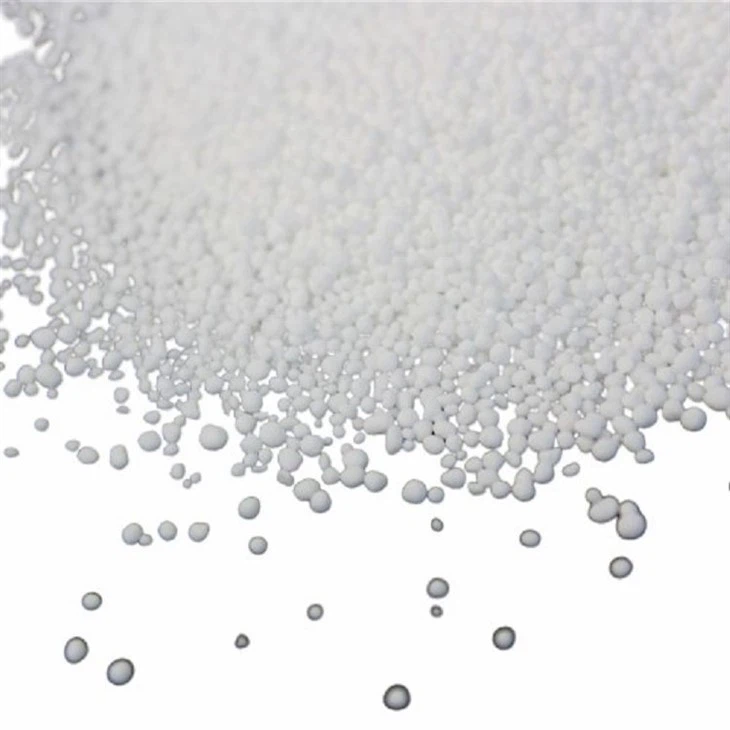
Carbonate of potassium, also known as potassium carbonate (K₂CO₃), is a white, granular powder that is highly soluble in water. It is commonly used in various industries, including the chemical, pharmaceutical, and food industries. When carbonate of potassium is dissolved in water, it dissociates into potassium ions (K⁺) and carbonate ions (CO₃²⁻). These ions interact with the water molecules, causing changes in the physical properties of the solution, including the refractive index.
The presence of carbonate of potassium in a solution can increase the refractive index of the solution. This is because the ions in the solution increase the density and polarizability of the solution, which in turn affects the speed of light passing through the solution. The increase in refractive index is proportional to the concentration of carbonate of potassium in the solution. As the concentration of carbonate of potassium increases, the refractive index of the solution also increases.
Experimental Evidence of the Effect of Carbonate of Potassium on Refractive Index
Numerous studies have been conducted to investigate the effect of carbonate of potassium on the refractive index of solutions. These studies have shown that the refractive index of a solution increases linearly with the concentration of carbonate of potassium. For example, a study published in the Journal of Chemical and Engineering Data found that the refractive index of an aqueous solution of potassium carbonate increased from 1.333 to 1.357 as the concentration of potassium carbonate increased from 0 to 20 wt%.
The relationship between the refractive index and the concentration of carbonate of potassium can be described by a linear equation. The slope of the line represents the change in refractive index per unit change in concentration. This relationship can be used to determine the concentration of carbonate of potassium in a solution by measuring the refractive index of the solution.
Applications of the Effect of Carbonate of Potassium on Refractive Index
The effect of carbonate of potassium on the refractive index of a solution has several practical applications. In the chemical industry, the refractive index can be used as a quality control parameter for the production of potassium carbonate solutions. By measuring the refractive index of a solution, manufacturers can ensure that the concentration of potassium carbonate in the solution is within the desired range.
In the pharmaceutical industry, the refractive index can be used to determine the purity of potassium carbonate. Impurities in the potassium carbonate can affect the refractive index of the solution, and by measuring the refractive index, pharmaceutical companies can ensure that the potassium carbonate they are using is of high quality.
In the food industry, the refractive index can be used to determine the sugar content of food products. Potassium carbonate is sometimes used as a food additive, and by measuring the refractive index of a food product, food manufacturers can determine the concentration of potassium carbonate and other solutes in the product.
Our Offerings as a Carbonate of Potassium Supplier
As a leading supplier of carbonate of potassium, we offer a wide range of high-quality products to meet the needs of our customers. Our Potassium Carbonate K₂CO₃ is available in various grades, including Potassium Carbonate Industrial Grade, which is suitable for use in industrial applications, and food-grade potassium carbonate, which is suitable for use in the food industry.
We also provide detailed information about the Potassium Carbonate Uses of our products, including their applications in different industries. Our technical support team is available to assist our customers with any questions they may have about our products and their applications.
Conclusion
In conclusion, carbonate of potassium has a significant effect on the refractive index of a solution. The presence of carbonate of potassium in a solution increases the refractive index of the solution, and this effect is proportional to the concentration of carbonate of potassium. The relationship between the refractive index and the concentration of carbonate of potassium can be used in various applications, including quality control, purity determination, and sugar content analysis.

As a supplier of carbonate of potassium, we are committed to providing high-quality products and excellent customer service. If you are interested in purchasing carbonate of potassium or have any questions about our products, please feel free to contact us for a detailed discussion. We look forward to working with you to meet your specific needs.
References
- Journal of Chemical and Engineering Data. Study on the refractive index of potassium carbonate solutions.
- Various industry reports on the applications of potassium carbonate in different sectors.