


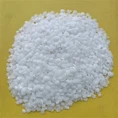



Potassium nitrite (KNO₂) is a versatile inorganic compound with a wide range of applications in various industries. As a reliable supplier of potassium nitrite, I have witnessed firsthand the growing demand for this compound due to its unique chemical properties. One of the most interesting aspects of potassium nitrite is its reaction with halogens, which can lead to a variety of chemical products and applications. In this blog post, I will explore how potassium nitrite reacts with halogens and discuss the potential implications of these reactions.
Reaction Mechanisms
Potassium nitrite contains the nitrite ion (NO₂⁻), which is a relatively reactive species. Halogens, on the other hand, are highly reactive non - metals that include fluorine (F₂), chlorine (Cl₂), bromine (Br₂), and iodine (I₂). The reaction between potassium nitrite and halogens typically involves an oxidation - reduction process.
Reaction with Chlorine
When potassium nitrite reacts with chlorine gas (Cl₂), the following reaction occurs:
2KNO₂ + Cl₂ → 2KCl + 2NO₂
In this reaction, chlorine acts as an oxidizing agent. The nitrite ion (NO₂⁻) in potassium nitrite is oxidized to nitrogen dioxide (NO₂), while chlorine is reduced to chloride ions (Cl⁻). The formation of nitrogen dioxide is a key characteristic of this reaction. Nitrogen dioxide is a red - brown gas with a pungent odor and is involved in various chemical processes, such as the formation of smog in urban environments.
Reaction with Bromine
The reaction between potassium nitrite and bromine (Br₂) is similar to that with chlorine. The chemical equation is:
2KNO₂ + Br₂ → 2KBr + 2NO₂
Here, bromine oxidizes the nitrite ion to nitrogen dioxide, and itself is reduced to bromide ions. The reaction is exothermic, and the evolution of nitrogen dioxide can be observed as a red - brown gas.
Reaction with Iodine
The reaction of potassium nitrite with iodine (I₂) is a bit more complex. In an acidic medium, the reaction can be represented as:
2KNO₂ + 2HI → 2NO + I₂+ 2H₂O + 2K⁺
In this reaction, the nitrite ion is reduced to nitric oxide (NO), and iodine is formed from the iodide ions. Nitric oxide is a colorless gas that readily reacts with oxygen in the air to form nitrogen dioxide.
Factors Affecting the Reactions
Several factors can influence the reaction between potassium nitrite and halogens:
Temperature
Higher temperatures generally increase the rate of reaction. As the temperature rises, the kinetic energy of the reactant molecules increases, leading to more frequent and energetic collisions. This results in a faster reaction rate. However, extremely high temperatures may also cause side reactions or decomposition of the products.
Concentration
The concentration of the reactants plays a crucial role. A higher concentration of potassium nitrite or the halogen will increase the frequency of collisions between the reactant molecules, thus increasing the reaction rate. For example, if the concentration of chlorine gas is increased in the reaction with potassium nitrite, more nitrite ions will react with chlorine, leading to a faster production of nitrogen dioxide and potassium chloride.
pH
The pH of the reaction medium can significantly affect the reaction. In the case of the reaction with iodine, an acidic medium is required to facilitate the reaction. The acidic conditions help in the formation of nitric oxide from the nitrite ion.
Applications of the Reactions
Analytical Chemistry
The reaction between potassium nitrite and halogens can be used in analytical chemistry for the determination of nitrite ions. For example, the reaction with iodine can be used in a titration method to quantify the amount of nitrite in a sample. By measuring the amount of iodine produced, the concentration of nitrite can be calculated.
Chemical Synthesis
The products of the reactions between potassium nitrite and halogens can be used in the synthesis of other chemical compounds. Nitrogen dioxide, for instance, can be used in the production of nitric acid, which is an important industrial chemical used in the manufacture of fertilizers, explosives, and other chemicals.
Safety Considerations
Potassium nitrite is a toxic compound, and halogens are also highly reactive and toxic substances. When handling these chemicals, proper safety precautions must be taken. This includes wearing appropriate personal protective equipment (PPE) such as gloves, goggles, and a lab coat. Adequate ventilation is also necessary to prevent the inhalation of toxic gases such as nitrogen dioxide.


As a Potassium Nitrite Supplier
As a supplier of potassium nitrite, I understand the importance of providing high - quality products. Our potassium nitrite is produced under strict quality control measures to ensure its purity and consistency. If you are interested in learning more about the properties and applications of potassium nitrite, you can refer to the following resources:
- Potassium Nitrite SDS: This link provides the safety data sheet for potassium nitrite, which contains important information about its handling, storage, and safety precautions.
- Potassium Nitrite Uses: Here, you can find detailed information about the various applications of potassium nitrite in different industries.
- Potassium Nitrite Crystal: This link offers information about the physical properties and characteristics of potassium nitrite crystals.
If you are in need of potassium nitrite for your industrial or research needs, we are here to assist you. Our team of experts can provide you with the necessary technical support and guidance. We look forward to discussing your requirements and establishing a long - term business relationship.
References
- Housecroft, C. E., & Sharpe, A. G. (2012). Inorganic Chemistry. Pearson.
- Atkins, P., & Jones, L. (2010). Chemical Principles: The Quest for Insight. W. H. Freeman.
- Petrucci, R. H., Herring, F. G., Madura, J. D., & Bissonnette, C. (2017). General Chemistry: Principles and Modern Applications. Pearson.