


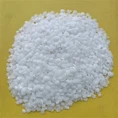



Alright, folks! Today, I wanna chat about how Aluminium Nitrate affects electroplating quality. As a supplier of Aluminium Nitrate, I've seen firsthand how this compound can make a big difference in the electroplating process.
What is Electroplating?
First off, let's quickly go over what electroplating is. Electroplating is a process that uses an electric current to deposit a thin layer of metal onto a substrate. This is done for various reasons, like improving corrosion resistance, enhancing appearance, or increasing hardness. The process involves an electrolyte solution, an anode (the metal to be deposited), and a cathode (the substrate). When an electric current is passed through the electrolyte, metal ions from the anode are reduced and deposited onto the cathode.
The Role of Aluminium Nitrate in Electroplating
Now, let's get into how Aluminium Nitrate fits into this picture. Aluminium Nitrate can play several important roles in electroplating, which in turn affects the quality of the electroplated product.
1. pH Regulation
One of the key factors in electroplating is the pH of the electrolyte solution. Aluminium Nitrate can act as a buffer to help maintain the optimal pH level. In many electroplating processes, a specific pH range is required for the metal ions to be properly deposited onto the substrate. If the pH is too high or too low, it can lead to issues like uneven plating, poor adhesion, or the formation of unwanted by - products. Aluminium Nitrate can react with water and other components in the solution to keep the pH stable. For example, in some nickel - plating processes, maintaining a slightly acidic pH is crucial. Aluminium Nitrate can help in achieving and maintaining that ideal acidic environment.
2. Conductivity
Another important aspect is the conductivity of the electrolyte solution. A good electrolyte needs to conduct electricity well so that the metal ions can move freely from the anode to the cathode. Aluminium Nitrate is a soluble salt, and when it dissolves in the electrolyte, it dissociates into ions. These ions increase the conductivity of the solution, allowing for a more efficient flow of electric current during electroplating. This results in a more uniform deposition of the metal on the substrate. If the conductivity is low, the plating may be patchy or have areas of inconsistent thickness.
3. Grain Refinement
The structure of the metal deposit is also a critical factor in electroplating quality. Aluminium Nitrate can influence the grain size of the deposited metal. A finer grain structure generally leads to better mechanical properties, such as increased hardness and improved corrosion resistance. When Aluminium Nitrate is present in the electrolyte, it can adsorb onto the surface of the growing metal grains. This adsorption can inhibit the growth of large grains and promote the formation of smaller, more evenly - sized grains. As a result, the electroplated layer is denser and more uniform.


Impact on Electroplating Quality
Let's take a closer look at how these roles of Aluminium Nitrate translate into actual electroplating quality.
1. Adhesion
Proper pH regulation and conductivity are essential for good adhesion between the electroplated layer and the substrate. If the pH is not right, the metal ions may not bond well with the substrate, leading to peeling or flaking of the plating. Similarly, low conductivity can cause uneven deposition, which also affects adhesion. By helping to maintain the optimal conditions, Aluminium Nitrate ensures that the electroplated layer adheres firmly to the substrate. This is especially important in applications where the plated part will be subjected to mechanical stress or environmental factors.
2. Thickness Uniformity
As mentioned earlier, Aluminium Nitrate improves conductivity and promotes uniform grain growth. This leads to a more consistent thickness of the electroplated layer across the entire surface of the substrate. In industries where precise dimensions are crucial, such as electronics or automotive manufacturing, uniform plating thickness is a must. Without the right additives like Aluminium Nitrate, the plating may be thicker in some areas and thinner in others, which can affect the functionality and performance of the part.
3. Corrosion Resistance
The finer grain structure resulting from the presence of Aluminium Nitrate in the electrolyte contributes to better corrosion resistance. Smaller grains have less surface area for corrosion to occur, and the denser structure of the electroplated layer acts as a better barrier against corrosive agents. This is particularly important for parts that will be exposed to harsh environments, such as marine or chemical industries.
Types of Aluminium Nitrate for Electroplating
There are different forms of Aluminium Nitrate that you can use in electroplating. You can check out Aluminium Nitrate Crystal and Aluminium Nitrate Nonahydrate. These forms have slightly different properties, and the choice depends on the specific requirements of your electroplating process. For example, Aluminium Nitrate Nonahydrate is a common form that is easy to handle and dissolve in the electrolyte solution.
Safety Considerations
Before using Aluminium Nitrate in electroplating, it's important to be aware of the safety aspects. You can refer to the Aluminium Nitrate SDS for detailed information on handling, storage, and potential hazards. Aluminium Nitrate is an oxidizing agent and can be harmful if inhaled, ingested, or comes into contact with the skin. Make sure to follow proper safety procedures and use appropriate personal protective equipment when working with this compound.
Conclusion
In conclusion, Aluminium Nitrate plays a vital role in improving electroplating quality. From regulating pH and enhancing conductivity to promoting grain refinement, it has a significant impact on adhesion, thickness uniformity, and corrosion resistance of the electroplated layer. As a supplier of Aluminium Nitrate, I'm here to provide you with high - quality products that can meet your electroplating needs. Whether you're in a large - scale industrial operation or a small - scale workshop, Aluminium Nitrate can be a valuable addition to your electroplating process.
If you're interested in purchasing Aluminium Nitrate for your electroplating applications, don't hesitate to reach out. We can discuss the best options for your specific requirements and ensure that you get the most out of this amazing compound.
References
- Jones, A. (2018). Electroplating Technology Handbook. Publisher XYZ.
- Smith, B. et al. (2020). The Role of Additives in Electroplating Processes. Journal of Electrochemical Science, 15(2), 123 - 135.