




As a supplier deeply entrenched in the chemical industry, I've witnessed firsthand the fluctuations and peculiarities that govern the pricing of various chemical compounds. One such comparison that often piques the interest of our clients is the disparity between the Aluminium Nitrate Price and the aluminium sulfate price. In this blog post, I'll delve into the factors that influence these prices, explore their market trends, and provide insights into how these two chemicals stack up against each other.
Understanding Aluminium Nitrate and Aluminium Sulfate
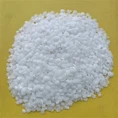
Before we dive into the price comparison, let's briefly understand what aluminium nitrate and aluminium sulfate are and their respective uses. Aluminium nitrate, with the chemical formula Al(NO₃)₃, is a white, crystalline solid that is highly soluble in water. It is commonly used in the production of catalysts, in the tanning industry, and as a mordant in dyeing processes. You can learn more about its applications on our Aluminium Nitrate Uses page.
On the other hand, aluminium sulfate, or Al₂(SO₄)₃, is a white, odorless powder that is also soluble in water. It is widely used in water treatment to clarify water by removing impurities, in the paper industry to size paper, and in the textile industry as a mordant.


Factors Influencing the Prices
Raw Material Costs
The cost of raw materials is a significant determinant of the price of both aluminium nitrate and aluminium sulfate. Aluminium, the common element in both compounds, is extracted from bauxite ore. Fluctuations in the price of bauxite, as well as the cost of energy required for its extraction and refining, can have a direct impact on the production cost of these chemicals.
For aluminium nitrate, the cost of nitric acid, another key raw material, also plays a crucial role. Nitric acid prices are influenced by factors such as the cost of ammonia, a primary feedstock, and production capacity. Similarly, the production of aluminium sulfate requires sulfuric acid, and its price volatility can affect the overall cost of aluminium sulfate.
Production Processes
The production processes for aluminium nitrate and aluminium sulfate also contribute to their pricing. Aluminium nitrate is typically produced by reacting aluminium hydroxide with nitric acid. This process requires careful control of reaction conditions to ensure the quality and purity of the final product. Any inefficiencies in the production process, such as high energy consumption or low yields, can drive up the cost.
Aluminium sulfate is produced by reacting aluminium hydroxide or bauxite with sulfuric acid. The complexity of the purification steps and the need to meet specific quality standards can also impact the production cost. Additionally, environmental regulations related to waste disposal and emissions control can add to the overall cost of production.
Market Demand and Supply
Market demand and supply dynamics are perhaps the most significant factors influencing the prices of these chemicals. The demand for aluminium nitrate is driven by its applications in various industries, such as catalysts, tanning, and dyeing. Any changes in these industries, such as technological advancements or shifts in consumer preferences, can affect the demand for aluminium nitrate.
Similarly, the demand for aluminium sulfate is closely linked to its use in water treatment, paper manufacturing, and textiles. The growth of these industries, especially in emerging economies, can lead to an increase in demand for aluminium sulfate. On the supply side, the production capacity of manufacturers, as well as any disruptions in the supply chain, such as natural disasters or labor strikes, can impact the availability of these chemicals and, consequently, their prices.
Price Comparison and Market Trends
In general, the price of aluminium nitrate tends to be higher than that of aluminium sulfate. This is primarily due to the higher cost of raw materials, such as nitric acid, and the more complex production process. However, the price difference can vary depending on market conditions.
Over the past few years, the prices of both chemicals have been subject to fluctuations. The global economic slowdown, coupled with the impact of the COVID-19 pandemic, has led to a decrease in demand for some industries, such as textiles and paper manufacturing, which has affected the prices of aluminium nitrate and aluminium sulfate. On the other hand, the growing demand for water treatment solutions, especially in developing countries, has provided some support for the price of aluminium sulfate.
It's important to note that the prices of these chemicals can also vary depending on the region. Factors such as local production capacity, transportation costs, and import/export regulations can all influence the final price paid by customers.
Safety Considerations
When handling aluminium nitrate and aluminium sulfate, it's essential to follow proper safety procedures. Aluminium nitrate is a strong oxidizer and can react violently with combustible materials. It can also cause irritation to the skin, eyes, and respiratory system. You can find detailed safety information on our Aluminium Nitrate SDS page.
Aluminium sulfate is generally considered less hazardous than aluminium nitrate but can still cause irritation if it comes into contact with the skin or eyes. It's important to wear appropriate protective equipment, such as gloves and goggles, when handling these chemicals.
Conclusion and Call to Action
In conclusion, the price of aluminium nitrate is typically higher than that of aluminium sulfate due to the higher cost of raw materials and more complex production process. However, market conditions, including demand and supply dynamics, can cause fluctuations in these prices.
If you're in the market for aluminium nitrate or aluminium sulfate, I encourage you to reach out to us for a detailed quote. Our team of experts can provide you with the latest pricing information and help you choose the right product for your specific needs. Whether you're a small business or a large corporation, we're committed to providing high-quality products at competitive prices. Contact us today to start your procurement process and discover how we can meet your chemical requirements.
References
- "Chemical Economics Handbook: Aluminium Compounds." S&P Global Market Intelligence.
- "Aluminium Nitrate: Properties, Uses, and Safety." Chemical Safety Facts.
- "Aluminium Sulfate: Production, Applications, and Market Trends." Market Research Report.