


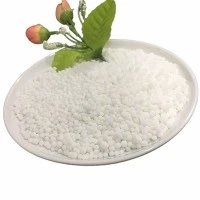



Potassium nitrite (KNO₂) is a chemical compound that has drawn significant attention in various industries due to its unique properties. As a supplier of potassium nitrite, I have witnessed firsthand the importance of understanding how its crystal structure affects its properties. This knowledge not only aids in the production and quality control of the compound but also helps customers make informed decisions about its applications.
Crystal Structure of Potassium Nitrite
Potassium nitrite crystallizes in a monoclinic crystal system. The crystal lattice consists of potassium cations (K⁺) and nitrite anions (NO₂⁻). The nitrite anions have a bent molecular geometry with a bond angle of approximately 115°. In the crystal structure, the potassium cations are surrounded by nitrite anions, and the nitrite anions are connected to the potassium cations through ionic bonds.
The arrangement of these ions in the crystal lattice has a profound impact on the physical and chemical properties of potassium nitrite. For example, the packing of the ions affects the density of the compound. The relatively close packing of the potassium and nitrite ions in the monoclinic structure results in a relatively high density for potassium nitrite.
Impact on Physical Properties
Solubility
The crystal structure influences the solubility of potassium nitrite in water. The ionic nature of the compound, combined with the specific arrangement of ions in the crystal lattice, allows for the dissociation of potassium nitrite into potassium and nitrite ions when dissolved in water. The solubility of potassium nitrite is relatively high in water, which is beneficial for many applications where an aqueous solution of the compound is required.
The solubility is also affected by temperature. As the temperature increases, the kinetic energy of the water molecules increases, which helps to break the ionic bonds in the crystal lattice more easily. This leads to an increase in the solubility of potassium nitrite with rising temperature.
Melting and Boiling Points
The crystal structure plays a crucial role in determining the melting and boiling points of potassium nitrite. The strong ionic bonds between the potassium and nitrite ions in the crystal lattice require a significant amount of energy to break. As a result, potassium nitrite has a relatively high melting point of around 441°C.
The boiling point of potassium nitrite is also influenced by the crystal structure. At high temperatures, the compound decomposes rather than boiling in the traditional sense. The decomposition of potassium nitrite is related to the stability of the nitrite anion in the crystal lattice. When heated, the nitrite anion can undergo a chemical reaction to form other compounds, such as potassium nitrate and nitrogen oxides.
Density
As mentioned earlier, the packing of ions in the crystal lattice affects the density of potassium nitrite. The monoclinic crystal structure allows for a relatively efficient packing of the potassium and nitrite ions, resulting in a density of approximately 1.915 g/cm³. This density is important in applications where the mass and volume of the compound need to be considered, such as in the formulation of chemical mixtures.
Impact on Chemical Properties
Reactivity
The crystal structure affects the reactivity of potassium nitrite. The nitrite anion in the crystal lattice is relatively reactive due to its electron - rich nature. It can act as a reducing agent in many chemical reactions. For example, in the presence of strong oxidizing agents, the nitrite anion can be oxidized to the nitrate anion.
The accessibility of the nitrite anions in the crystal lattice also influences the reaction rate. The arrangement of the ions in the crystal structure determines how easily the reactants can approach and interact with the nitrite anions. In some cases, the crystal structure may hinder the reaction by blocking the access of reactants to the active sites on the nitrite anions.
Stability
The stability of potassium nitrite is closely related to its crystal structure. The ionic bonds in the crystal lattice provide a certain degree of stability to the compound. However, under certain conditions, such as high temperatures or in the presence of certain catalysts, the crystal structure can be disrupted, leading to the decomposition of potassium nitrite.


The stability of the nitrite anion in the crystal lattice is also affected by the surrounding environment. For example, in an acidic environment, the nitrite anion can react with hydrogen ions to form nitrous acid, which is unstable and can further decompose.
Applications of Potassium Nitrite
Potassium nitrite has a wide range of applications in various industries. Potassium Nitrite Uses include its use as a food preservative, in the production of dyes, and as a corrosion inhibitor.
In the food industry, potassium nitrite is used to prevent the growth of bacteria, especially Clostridium botulinum, in cured meats. The ability of potassium nitrite to react with myoglobin in meat helps to maintain the red color of the meat and improve its flavor.
In the dye industry, potassium nitrite is used as a diazotizing agent. It can react with aromatic amines to form diazonium salts, which are important intermediates in the synthesis of dyes.
As a corrosion inhibitor, potassium nitrite can form a protective film on the surface of metals, preventing them from corroding. The crystal structure of potassium nitrite affects its ability to form this protective film. The proper arrangement of ions in the crystal lattice allows for the efficient adsorption of the compound on the metal surface.
Importance of Understanding Crystal Structure for Suppliers
As a potassium nitrite supplier, understanding the relationship between the crystal structure and properties of the compound is essential for several reasons. Firstly, it helps in ensuring the quality of the product. By controlling the crystal structure during the production process, we can produce potassium nitrite with consistent properties.
Secondly, knowledge of the crystal structure allows us to provide better technical support to our customers. We can help them understand how the properties of potassium nitrite are related to its crystal structure and how these properties can be optimized for their specific applications.
Finally, understanding the crystal structure can also lead to the development of new products and applications. By manipulating the crystal structure, we may be able to enhance certain properties of potassium nitrite, opening up new opportunities in various industries.
Conclusion
In conclusion, the crystal structure of potassium nitrite has a significant impact on its physical and chemical properties. The monoclinic crystal structure affects the solubility, melting and boiling points, density, reactivity, and stability of the compound. These properties, in turn, determine the applications of potassium nitrite in various industries.
As a supplier of potassium nitrite, we are committed to providing high - quality products and excellent technical support. If you are interested in purchasing potassium nitrite for your specific application, we invite you to contact us for a detailed discussion. We can help you understand how the properties of our potassium nitrite can meet your requirements and provide you with the best solutions.
References
- Atkins, P. W., & de Paula, J. (2014). Physical Chemistry. Oxford University Press.
- Housecroft, C. E., & Sharpe, A. G. (2012). Inorganic Chemistry. Pearson.