


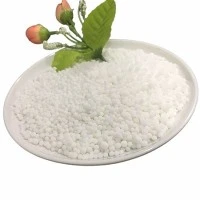


Hey there! As a supplier of Sodium Nitrate, I've been getting a lot of questions about how it impacts plant growth. So, I thought I'd take some time to break it down for you all.
Let's start with the basics. Sodium Nitrate, which you can find in various forms like Sodium Nitrate Powder, Colorless Crystal Sodium Nitrate, and Sodium Nitrate Technical Grade, is a chemical compound that contains nitrogen and sodium. Nitrogen is an essential nutrient for plants, and it plays a crucial role in many physiological processes.
Positive Impacts on Plant Growth
1. Nitrogen Source
One of the most significant impacts of Sodium Nitrate on plant growth is its role as a nitrogen source. Nitrogen is a key component of amino acids, proteins, chlorophyll, and nucleic acids. When plants take up Sodium Nitrate from the soil, the nitrate ions are absorbed by the roots and used to synthesize these essential molecules.


For example, chlorophyll, which is responsible for photosynthesis, contains nitrogen. A sufficient supply of nitrogen from Sodium Nitrate helps plants produce more chlorophyll, which in turn enhances their ability to capture sunlight and convert it into energy. This results in healthier, greener plants with increased photosynthetic efficiency.
2. Growth and Development
Nitrogen is also essential for cell division and growth. It promotes the development of new leaves, stems, and roots. When plants have access to an adequate amount of Sodium Nitrate, they can grow faster and produce more biomass. This is particularly important for crops, as it can lead to higher yields.
In addition, Sodium Nitrate can improve the quality of fruits and vegetables. It can enhance the size, color, and flavor of produce, making them more marketable.
3. Stress Tolerance
Plants that receive an appropriate amount of nitrogen from Sodium Nitrate are better able to withstand environmental stresses such as drought, heat, and disease. Nitrogen helps plants maintain their turgor pressure, which is important for cell expansion and growth. It also plays a role in the synthesis of stress-related proteins and antioxidants, which can protect plants from damage caused by stress factors.
Negative Impacts on Plant Growth
1. Salt Stress
Sodium Nitrate contains sodium ions, and excessive application of this compound can lead to salt stress in plants. High levels of sodium in the soil can disrupt the normal physiological processes of plants, such as water uptake and nutrient absorption. This can result in reduced growth, wilting, and even death of the plants.
To avoid salt stress, it's important to use Sodium Nitrate in moderation and to ensure proper soil drainage. Regular soil testing can also help determine the appropriate amount of Sodium Nitrate to apply.
2. Environmental Concerns
The overuse of Sodium Nitrate can have negative environmental impacts. When excess nitrate is applied to the soil, it can leach into groundwater or surface water, leading to water pollution. Nitrate pollution can cause eutrophication in water bodies, which can lead to the growth of harmful algae and the depletion of oxygen, harming aquatic life.
To minimize environmental impacts, it's important to follow proper fertilization practices and to use Sodium Nitrate in combination with other fertilizers and soil amendments.
How to Use Sodium Nitrate for Optimal Plant Growth
1. Soil Testing
Before applying Sodium Nitrate, it's important to conduct a soil test to determine the nutrient status of the soil. This will help you determine the appropriate amount of Sodium Nitrate to apply and avoid over-fertilization.
2. Application Rates
The application rate of Sodium Nitrate depends on several factors, such as the type of crop, soil type, and climate. It's important to follow the recommended application rates provided by agricultural extension services or fertilizer manufacturers.
3. Timing of Application
The timing of Sodium Nitrate application is also important. It's generally recommended to apply Sodium Nitrate during the active growth period of the plants. This will ensure that the plants have access to the nitrogen when they need it the most.
4. Compatibility with Other Fertilizers
Sodium Nitrate can be used in combination with other fertilizers, such as phosphorus and potassium fertilizers, to provide a balanced nutrient supply for plants. However, it's important to ensure that the fertilizers are compatible and that they don't interact in a negative way.
Conclusion
In conclusion, Sodium Nitrate can have both positive and negative impacts on plant growth. When used properly, it can be a valuable source of nitrogen for plants, promoting growth, development, and stress tolerance. However, it's important to use Sodium Nitrate in moderation and to follow proper fertilization practices to avoid negative environmental impacts and salt stress.
If you're interested in purchasing Sodium Nitrate for your plants, feel free to reach out for more information and to discuss your specific needs. We're here to help you make the most of this valuable fertilizer.
References
- Marschner, H. (1995). Mineral Nutrition of Higher Plants. Academic Press.
- Mengel, K., & Kirkby, E. A. (2001). Principles of Plant Nutrition. Kluwer Academic Publishers.
- Brady, N. C., & Weil, R. R. (2008). The Nature and Properties of Soils. Pearson Prentice Hall.