


Hey there! I'm a supplier of Aluminium Nitrate Price. Today, I wanna chat about how the economic situation affects the price of aluminium nitrate. It's a topic that's super relevant to both me as a supplier and to all you potential buyers out there.
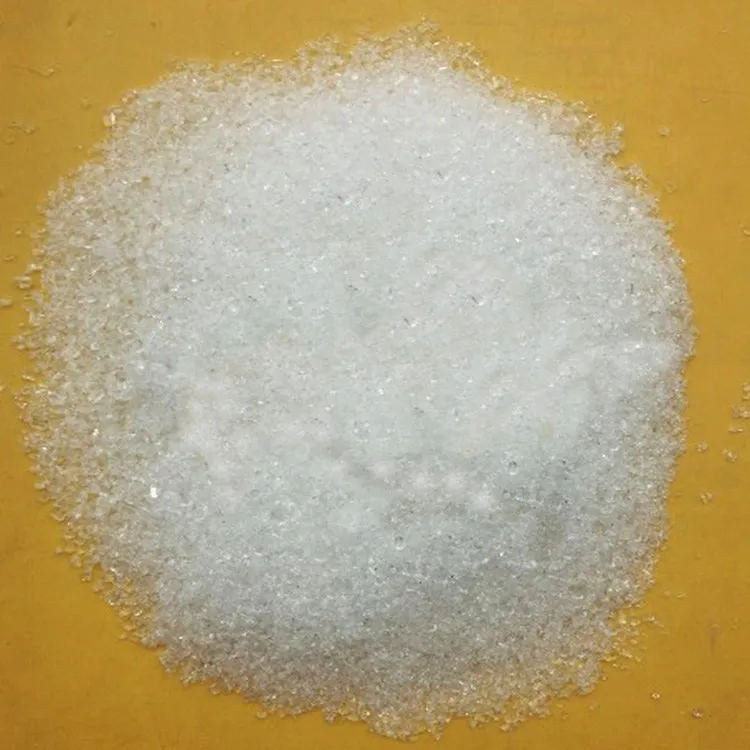
First off, let's get a basic understanding of aluminium nitrate. Aluminium Nitrate Nonahydrate is a common form of this compound. It's used in a bunch of different industries. You can check out Aluminium Nitrate Uses to learn more about where it comes in handy, like in the production of other chemicals, as a mordant in dyeing, and in some parts of the pharmaceutical industry.
Now, let's dive into how the economy plays a role in its price. One of the most obvious factors is the cost of raw materials. Aluminium nitrate is made from aluminium and nitric acid. When the economy is booming, industries are producing at full steam. The demand for aluminium, which is used in everything from construction to transportation, goes up. This increased demand can drive up the price of aluminium. As a result, the cost of producing aluminium nitrate also rises because one of its key ingredients has become more expensive.
On the flip side, during an economic downturn, industries cut back on production. Construction projects might be put on hold, and the automotive industry might slow down. This leads to a decrease in the demand for aluminium. With less demand, the price of aluminium can drop. And since aluminium is a major component in making aluminium nitrate, the production cost goes down, which can potentially lead to a lower price for aluminium nitrate.
Another economic factor is energy costs. Producing aluminium nitrate requires energy, whether it's for heating, mixing, or other manufacturing processes. When the economy is strong, the demand for energy is high. Oil, gas, and electricity prices can soar. This increase in energy costs adds to the overall cost of producing aluminium nitrate. So, as a supplier, I have to pass on at least some of these increased costs to the customers, which means a higher price for aluminium nitrate.
During an economic slump, energy demand usually decreases. With less demand, energy prices tend to fall. This reduction in energy costs can help keep the production cost of aluminium nitrate in check. As a result, I might be able to offer a more competitive price to my customers.
The state of the global economy also affects the price of aluminium nitrate through currency exchange rates. If the currency of the country where the aluminium nitrate is produced weakens compared to other currencies, it can have two effects. On one hand, it makes the aluminium nitrate cheaper for foreign buyers. This can increase the demand for my product in the international market. To meet this increased demand, I might need to increase production. If I can't scale up production easily, I might have to raise the price to balance supply and demand.
On the other hand, a weak currency can also make the import of raw materials more expensive. If I need to import some of the ingredients for making aluminium nitrate, a weaker currency means I have to pay more in local currency for the same amount of raw materials. This can offset the benefits of increased international demand and lead to a higher price for aluminium nitrate.
Interest rates are yet another economic factor. When interest rates are low, it's cheaper for businesses to borrow money. As a supplier, I might take advantage of low - interest loans to invest in new equipment or expand my production capacity. This can lead to more efficient production and potentially lower costs per unit of aluminium nitrate. I might then be able to offer a lower price to my customers.
However, when interest rates are high, borrowing becomes expensive. I might have to cut back on investment plans. This could limit my ability to increase production or improve efficiency. As a result, the cost of production might stay high, and I'll have to charge a higher price for aluminium nitrate.
Let's talk about market competition, which is also closely related to the economic situation. In a strong economy, new companies might enter the market, seeing the potential for profit. This increases competition. With more suppliers vying for customers, prices tend to be more competitive. I have to keep my prices in line with my competitors to attract buyers.
During an economic downturn, some suppliers might go out of business. This can reduce competition in the market. With fewer suppliers, I might have more pricing power. But at the same time, the overall demand for aluminium nitrate might also be lower, so I have to be careful not to set the price too high and scare away the remaining customers.
The level of government regulations and policies can also be influenced by the economic situation. In a good economy, the government might focus on environmental regulations to ensure sustainable production. These regulations can increase the cost of production. For example, there might be stricter rules on waste disposal or emissions control. To comply with these regulations, I might need to invest in new pollution - control equipment. This added cost can lead to a higher price for aluminium nitrate.
During an economic slowdown, the government might introduce policies to support industries. They could offer subsidies or tax breaks to producers. These incentives can help reduce the production cost and allow me to offer a more affordable price for aluminium nitrate.
In conclusion, the price of aluminium nitrate is closely tied to the economic situation. The cost of raw materials, energy costs, currency exchange rates, interest rates, market competition, and government policies all play a role in determining its price. As a supplier, I'm constantly keeping an eye on these economic factors to make sure I can offer a fair price to my customers while still making a profit.
If you're in the market for aluminium nitrate, whether you're a small - scale user or a large - scale industrial buyer, I'd love to have a chat with you. We can discuss your specific needs and see how we can work together. Feel free to reach out and start a negotiation. I'm confident that we can find a deal that works for both of us.
References

- Textbooks on inorganic chemical production
- Industry reports on the aluminium and chemical sectors
- Economic research on energy prices and currency exchange rates