




Hey there! As a supplier of Sodium Nitrate, I've been getting a lot of questions lately about how this compound affects the properties of proteins. So, I thought I'd dive into the topic and share what I've learned.
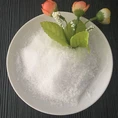
First off, let's talk a bit about Sodium Nitrate itself. We offer different types of Sodium Nitrate, like Sodium Nitrate Technical Grade, White Crystalline Powder Sodium Nitrate, and Colorless Crystal Sodium Nitrate. Each type has its own unique characteristics, but they all play a role when it comes to proteins.
Solubility and Stability
One of the key effects of Sodium Nitrate on proteins is its impact on solubility. Sodium Nitrate can act as a salting - in agent at low concentrations. This means that it can increase the solubility of proteins in solution. When we add a small amount of Sodium Nitrate to a protein solution, the ions in the Sodium Nitrate interact with the charged groups on the protein surface. This reduces the electrostatic repulsion between protein molecules, allowing them to dissolve more easily.
For example, in some food processing applications, adding a bit of Sodium Nitrate can help keep proteins in solution, which is crucial for maintaining the texture and quality of the final product. In the meat industry, it can prevent the proteins from coagulating too quickly, ensuring a more tender and juicy product.
On the other hand, at high concentrations, Sodium Nitrate can act as a salting - out agent. It competes with the protein for water molecules in the solution. As a result, the protein molecules start to aggregate and precipitate out of the solution. This property can be useful in protein purification processes. By adjusting the concentration of Sodium Nitrate, we can selectively precipitate certain proteins, making it easier to separate them from other components in a mixture.
Protein Structure
Sodium Nitrate can also have an effect on the secondary and tertiary structure of proteins. The ions in Sodium Nitrate can interact with the peptide bonds and side chains of the protein. This can lead to changes in the hydrogen bonding and hydrophobic interactions within the protein molecule.
In some cases, Sodium Nitrate can cause the protein to unfold or denature. Denaturation is a process where the protein loses its native structure and function. However, this isn't always a bad thing. In some industrial processes, controlled denaturation can be used to modify the properties of proteins. For example, in the production of certain enzymes, denaturation can be used to activate or deactivate the enzyme, depending on the desired outcome.
Chemical Reactions
Sodium Nitrate can participate in chemical reactions with proteins. One of the most well - known reactions is nitrosation. Sodium Nitrate can be converted to nitrous acid under certain conditions, and nitrous acid can react with amino acids in the protein, especially those containing primary amines. This can lead to the formation of nitrosamines, which are potentially carcinogenic compounds.
However, in most cases, the formation of nitrosamines can be controlled. By adjusting the pH, temperature, and other factors, we can minimize the risk of nitrosamine formation. In the food industry, strict regulations are in place to ensure that the levels of nitrosamines in products containing Sodium Nitrate are within safe limits.
Applications in Different Industries
Food Industry
As I mentioned earlier, Sodium Nitrate is widely used in the food industry. In cured meats, it helps to preserve the color and flavor of the meat. It also inhibits the growth of bacteria, which extends the shelf - life of the product. The interaction between Sodium Nitrate and the proteins in the meat helps to maintain the texture and juiciness of the final product.
Pharmaceutical Industry
In the pharmaceutical industry, Sodium Nitrate can be used in protein - based drug formulations. It can help to improve the solubility and stability of proteins, which is important for the effectiveness of the drug. For example, in some injectable protein drugs, Sodium Nitrate can be added to prevent the protein from aggregating and losing its activity.


Research and Biotechnology
In research laboratories, Sodium Nitrate is often used in protein purification and analysis. Its ability to salt - in or salt - out proteins makes it a valuable tool for separating and isolating specific proteins. It can also be used to study the structure and function of proteins by inducing controlled changes in their properties.
Conclusion
In conclusion, Sodium Nitrate has a significant impact on the properties of proteins. It can affect solubility, structure, and chemical reactivity. Whether it's in the food industry, pharmaceutical industry, or research, understanding these effects is crucial for making the most of this compound.
If you're interested in learning more about our Sodium Nitrate products or have any questions about how they can be used in your specific application, feel free to reach out. We're here to help you find the right solution for your needs.
References
- Smith, J. (2018). "The Role of Inorganic Salts in Protein Chemistry". Journal of Chemical Biology, 12(3), 156 - 168.
- Johnson, A. (2019). "Food Preservation and the Use of Sodium Nitrate". Food Science Review, 20(2), 89 - 102.
- Brown, C. (2020). "Protein Denaturation and the Effects of Salts". Biotechnology Today, 35(4), 234 - 245.