


Hey there! As a supplier of Aluminium Nitrate SDS (Safety Data Sheet), I often get asked about the packaging requirements for Aluminium Nitrate. In this blog, I'll break down everything you need to know about how to package this chemical properly.
First off, let's understand what Aluminium Nitrate is. It's a chemical compound that's used in various industries. You can find more details about Aluminium Nitrate Nonahydrate on our website. It's commonly used in the production of catalysts, in the textile industry, and even in some types of explosives. If you're curious about its uses, check out Aluminium Nitrate Uses.
Now, why are packaging requirements so important? Well, Aluminium Nitrate is a hazardous substance. It's an oxidizer, which means it can cause or intensify a fire. It can also be harmful if it comes into contact with skin, eyes, or if it's inhaled or swallowed. So, proper packaging is crucial to prevent any accidents during storage, transportation, and handling.
Material of Packaging
The packaging material for Aluminium Nitrate should be resistant to corrosion. Since Aluminium Nitrate is a strong oxidizing agent, it can react with many materials. A common choice is high - density polyethylene (HDPE) containers. HDPE is durable, chemically resistant, and can withstand the corrosive nature of Aluminium Nitrate. Glass containers can also be used, but they need to be handled with extra care because they're fragile.
Another option is stainless - steel drums. Stainless steel is resistant to corrosion and can provide a high level of protection. However, the quality of the stainless steel matters. It should be of a grade that can withstand the chemical's properties over an extended period.
Sealing and Closure
The packaging must have a tight seal. This prevents any leakage of the Aluminium Nitrate, which could be extremely dangerous. For plastic containers, screw - on caps with rubber gaskets are often used. The gaskets create an airtight and watertight seal, reducing the risk of spills.
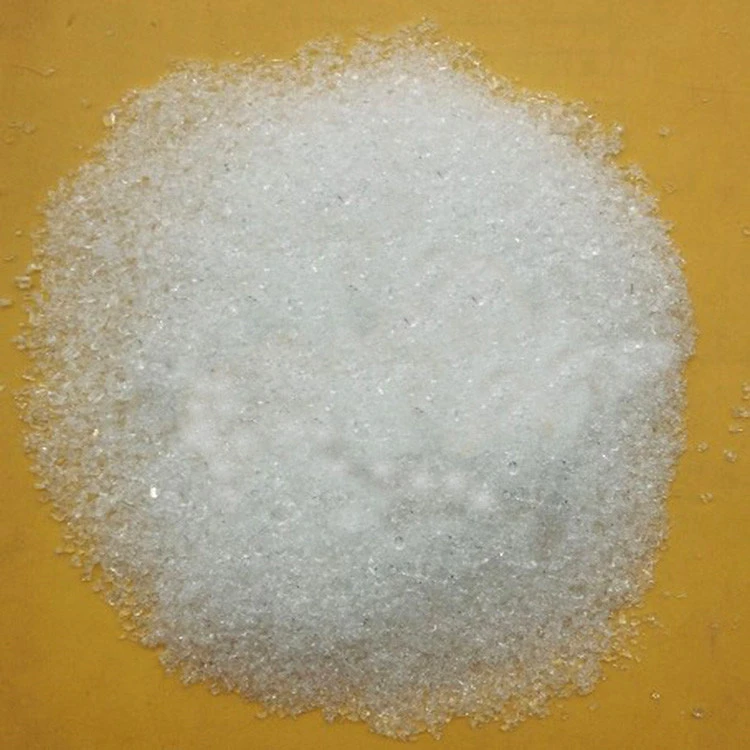
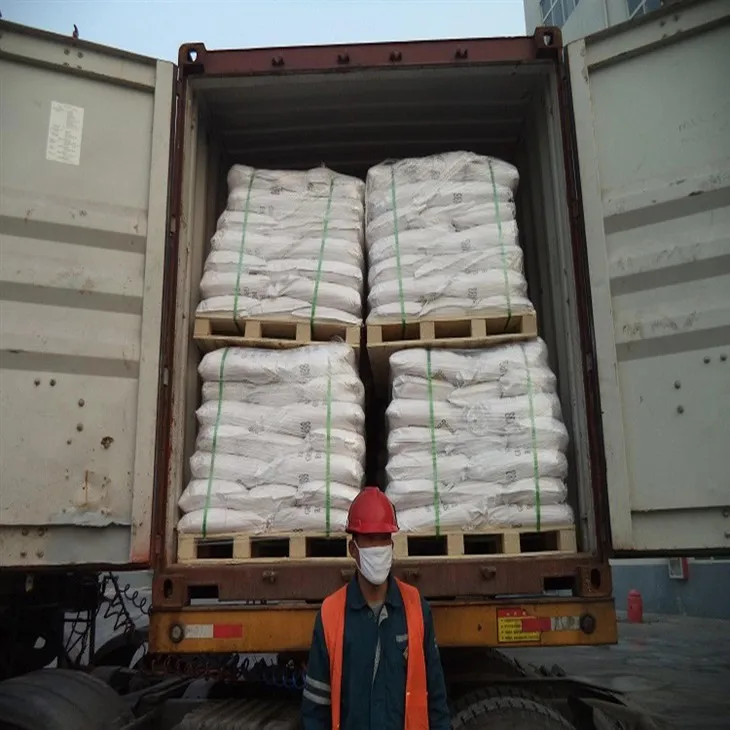
In the case of drums, they should have bungs or closures that are designed to fit snugly. The bungs should be made of a material that's compatible with Aluminium Nitrate. Some drums also come with secondary containment systems, like inner liners, which add an extra layer of protection in case of a primary container failure.
Labeling
Labeling is a critical part of the packaging requirements. The label should clearly state the name of the chemical, "Aluminium Nitrate." It should also include hazard symbols. The oxidizer symbol, which looks like a flame over a circle, is a must. There should also be warning statements about the chemical's hazards, such as "Oxidizer - may cause or intensify a fire," "Harmful if swallowed," "Harmful in contact with skin," and "Harmful if inhaled."
The label should also provide first - aid instructions. For example, if someone gets the chemical on their skin, they should immediately rinse the affected area with plenty of water for at least 15 minutes. If it gets in the eyes, they should flush the eyes with water for at least 15 minutes and seek medical attention immediately.
Marking for Identification
In addition to the hazard labels, the packaging should be marked with other important information. This includes the UN number. Aluminium Nitrate has a specific UN number (UN1438), which is used for identification during transportation. The packaging should also indicate the net weight and gross weight of the contents.
Packaging Size and Quantity
The size of the packaging depends on the intended use. For small - scale laboratory use, smaller containers, like 1 - liter or 5 - liter plastic bottles, may be sufficient. For industrial use, larger drums with capacities of 200 liters or more may be required.
However, there are also regulations regarding the maximum quantity that can be packed in a single container. These regulations are in place to minimize the risk in case of an accident. For example, during transportation, there are limits on how much Aluminium Nitrate can be carried in one vehicle to prevent a large - scale disaster in case of a spill or fire.
Compatibility with Other Substances
When packaging Aluminium Nitrate, it's important to consider its compatibility with other substances. Aluminium Nitrate should never be packaged or stored with combustible materials. If it comes into contact with organic compounds, such as wood, paper, or oil, it can cause a violent reaction and start a fire.
It should also be kept separate from reducing agents. Reducing agents are substances that can donate electrons, and when they react with an oxidizer like Aluminium Nitrate, it can lead to a dangerous chemical reaction.
Testing of Packaging
Before using any packaging for Aluminium Nitrate, it should be tested. The packaging should be tested for its ability to withstand the chemical's properties. For example, a sample of the packaging material can be exposed to Aluminium Nitrate for a certain period to see if there are any signs of corrosion or degradation.
It should also be tested for its sealing ability. A pressure test can be conducted to ensure that the seal can withstand normal handling and transportation conditions without leaking.
Packaging for Different Forms
Aluminium Nitrate can come in different forms, such as solid or solution. The packaging requirements may vary slightly depending on the form.
For solid Aluminium Nitrate, the packaging should prevent the formation of dust. Dust can be easily inhaled, which is a major health risk. So, the containers should be designed to minimize the generation and escape of dust.
In the case of Aluminium Nitrate solutions, the packaging should be able to withstand the hydrostatic pressure if the container is filled to a certain level. The solution may also have different corrosive properties compared to the solid form, so the packaging material needs to be carefully selected accordingly.
Cost - Benefit Analysis
When choosing the packaging for Aluminium Nitrate, a cost - benefit analysis should be done. While high - quality packaging materials like stainless - steel drums may be more expensive, they offer better protection and can reduce the risk of accidents. On the other hand, cheaper plastic containers may be suitable for small - scale or short - term use, but they may need to be replaced more frequently.
Impact on Environment
The packaging should also be environmentally friendly as much as possible. After the Aluminium Nitrate has been used, the packaging should be disposed of properly. Some packaging materials, like HDPE, can be recycled. However, if the packaging has been contaminated with the chemical, special disposal procedures need to be followed to ensure that it doesn't harm the environment.
If you're interested in purchasing Aluminium Nitrate and need more information about our SDS and packaging options, or if you want to discuss the Aluminium Nitrate Price, feel free to reach out. We're here to help you make the right choice and ensure that you receive the product in a safe and compliant manner.
References
- Hazardous Materials Regulations, Department of Transportation.
- Safety Data Sheet Guidelines for Chemical Substances, International Labour Organization.
- Chemical Compatibility Tables for Industrial Use.