



Hey there! As a supplier of Potassium Nitrite SDS, I often get asked about the packaging requirements for transporting this chemical. In this blog post, I'll break down everything you need to know about the packaging of Potassium Nitrite during transport based on the information in the Safety Data Sheet (SDS).

First off, let's talk a bit about Potassium Nitrite itself. It's a pretty useful chemical with various applications. You can check out more about its uses on this page: Potassium Nitrite Uses.
Potassium Nitrite is a strong oxidizer, and it can react with many substances. So, when it comes to transporting it, proper packaging is crucial to prevent any accidents or spills.
General Packaging Considerations
The packaging for Potassium Nitrite in transport needs to meet specific standards to ensure safety. It has to be strong enough to withstand the normal stresses of transportation, like being bumped around during loading and unloading, and the vibrations from being on a truck or a ship.
The packaging also needs to be resistant to corrosion. Potassium Nitrite can be corrosive to some materials over time, so the packaging must be made of something that won't break down easily. For example, metal containers made of stainless steel are often a good choice because they're durable and resistant to corrosion. You can learn more about the actual product on this page: Nitrite Potassium.

Types of Packaging
There are different types of packaging that can be used for Potassium Nitrite during transport.
Drums
Drums are a common choice for packaging Potassium Nitrite. They come in various sizes, usually ranging from 20 liters to 200 liters. Drums are made of materials like steel or plastic. Steel drums are great because they're very strong and can handle a lot of pressure. Plastic drums, on the other hand, are lighter and may be more suitable for smaller quantities. But they need to be made of high - quality plastic that can resist the chemical's corrosive properties.
Bags
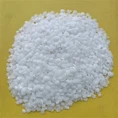
Bags can also be used, especially for smaller amounts of Potassium Nitrite. These bags are typically made of multi - layer materials. The inner layer is often a plastic liner that directly contacts the chemical, providing a barrier against leakage. The outer layer can be made of a strong fabric, like woven polypropylene, to give the bag more strength. However, bags need to be properly sealed to prevent any dust or powder from escaping. You can find out more about the form of Potassium Nitrite in crystal form here: Potassium Nitrite Crystal.
Labeling Requirements
Proper labeling is an essential part of the packaging. The labels on the packaging of Potassium Nitrite must clearly indicate what's inside. They should include the name of the chemical, "Potassium Nitrite," along with its hazard symbols and warnings. The hazard symbols tell the handlers what kind of risks are associated with the chemical. For Potassium Nitrite, the symbols usually indicate that it's an oxidizer and a toxic substance.

The labels also need to have information about the supplier. As an SDS supplier, I make sure that all the labels on the packaging clearly state my contact information so that in case of any questions or emergencies, the handlers can reach out easily.
Sealing and Closure
The packaging of Potassium Nitrite must be properly sealed and closed. For drums, there are usually tight - fitting lids that are secured with bolts or clamps. This ensures that there's no chance of the chemical leaking out during transport. For bags, heat - sealing or using strong closures like zip - ties or twist - ties can be used to keep the contents inside.
Compatibility with Other Substances
When packaging Potassium Nitrite for transport, it's important to consider its compatibility with other substances. Potassium Nitrite should never be packed with flammable or combustible materials. If they come into contact, it could lead to a fire or an explosion. So, during the packing process, we always make sure to separate Potassium Nitrite from any materials that it might react with.
Testing and Certification
All the packaging used for transporting Potassium Nitrite must pass certain tests. These tests check the strength, durability, and leakage resistance of the packaging. For example, the packaging may be subjected to a drop test to see if it can withstand being dropped from a certain height without breaking. It may also go through a pressure test to ensure that it can handle the pressure changes during transportation.
Once the packaging passes these tests, it should be certified. The certification indicates that the packaging meets the required standards for transporting Potassium Nitrite. This gives the customers and the transport companies peace of mind knowing that the chemical is being transported safely.
Storage During Transport
In addition to proper packaging, the storage conditions during transport are also important. Potassium Nitrite should be stored in a cool, dry place. High temperatures can increase the risk of chemical reactions, so keeping it cool is crucial. It also needs to be protected from moisture because moisture can cause the chemical to degrade or form dangerous compounds.

Handling Precautions
Even with proper packaging, handling Potassium Nitrite during transport requires special precautions. The handlers should be trained on how to handle this chemical safely. They should wear appropriate protective equipment, like gloves and goggles, to prevent any contact with the chemical. If there's a spill, they should know the proper procedures for cleaning it up to avoid any environmental or health risks.
Conclusion
In conclusion, the packaging requirements for Potassium Nitrite in transport are very strict and detailed. From choosing the right type of packaging to proper labeling, sealing, and testing, every step is important to ensure the safe transportation of this chemical. As a Potassium Nitrite SDS supplier, I'm always here to provide you with all the necessary information and guidance on packaging and transporting this chemical safely.
If you're interested in purchasing Potassium Nitrite or need more information about its SDS and packaging requirements, don't hesitate to reach out. I'd be more than happy to have a chat with you and discuss your needs. Let's work together to ensure that your Potassium Nitrite is transported safely and efficiently.
References
- International Maritime Dangerous Goods (IMDG) Code
- United Nations Recommendations on the Transport of Dangerous Goods
- Occupational Safety and Health Administration (OSHA) regulations regarding chemical transport and packaging