


Hey there! As a Kalium Bicarbonate supplier, I often get asked about the quality control measures in ink manufacturing. Well, let's dive right into it.
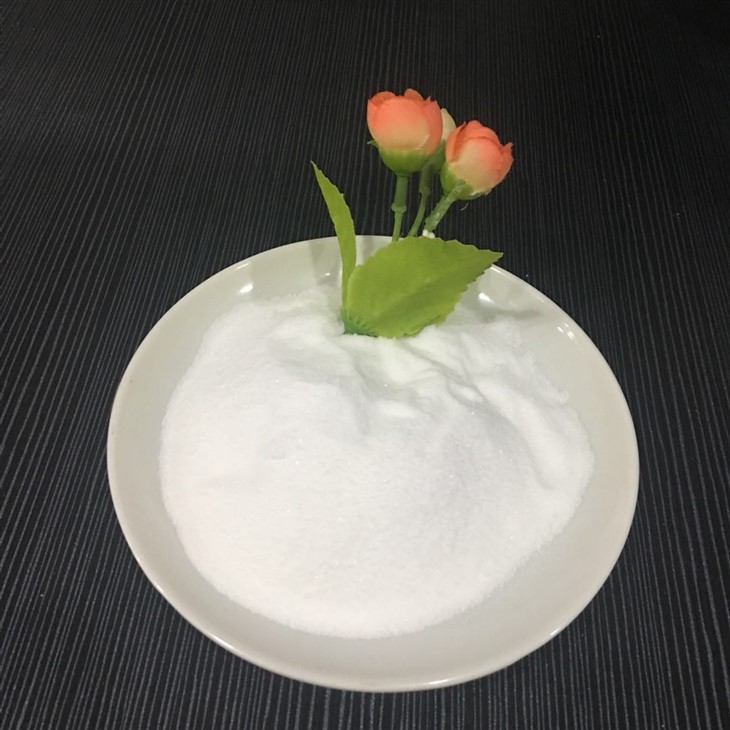
First off, let's talk a bit about Kalium Bicarbonate itself. Kalium Bicarbonate, also known as Bicarbonate Of Potash, is a key ingredient in many ink formulations. It plays a crucial role in maintaining the pH balance of the ink, which in turn affects its stability and performance. When the pH is off, the ink can become too thick or too thin, leading to issues like clogging in printers or uneven printing results.
One of the primary quality control measures starts right at the source - the raw materials. We make sure that the Kalium Bicarbonate we use is of the highest quality. Potassium Bicarbonate Food Grade is often a good choice because it has strict purity standards. This means fewer impurities that could potentially affect the ink's quality. We test the raw materials for things like particle size, purity, and moisture content.
Particle size is super important. If the particles of Kalium Bicarbonate are too large, they can cause problems in the ink. For example, they might not dissolve properly in the ink solution, leading to a gritty texture. This can result in rough prints and even damage to the printing equipment. So, we use advanced sieving techniques to ensure that the particle size is within the acceptable range.
Purity is another critical factor. Impurities in Kalium Bicarbonate can react with other components in the ink, causing unwanted chemical reactions. These reactions can change the color, viscosity, and drying time of the ink. We use analytical methods like spectroscopy and chromatography to determine the purity of the Kalium Bicarbonate. Any batch that doesn't meet our purity standards is rejected.
Moisture content also needs to be carefully controlled. Too much moisture can cause the Kalium Bicarbonate to clump together, making it difficult to mix evenly into the ink. On the other hand, too little moisture can make the powder too dry and hard to handle. We use moisture analyzers to measure the moisture content and adjust it as needed.
Once the raw materials pass the initial quality checks, it's time to start the manufacturing process. During the mixing stage, we closely monitor the process to ensure that the Kalium Bicarbonate is evenly distributed throughout the ink. We use high - speed mixers to achieve a homogeneous mixture. We also take samples at regular intervals to check the consistency of the ink.
Temperature and pressure are also closely monitored during manufacturing. These factors can affect the solubility of Kalium Bicarbonate in the ink. If the temperature is too low, the Kalium Bicarbonate might not dissolve completely. If the pressure is too high or too low, it can change the physical properties of the ink. We use sensors to continuously monitor these parameters and make adjustments as necessary.
After the ink is mixed, it goes through a series of filtration steps. This helps to remove any remaining particles or impurities that might have been introduced during the manufacturing process. We use different types of filters, depending on the size of the particles we want to remove. This ensures that the final ink product is smooth and free of any visible particles.
Once the ink is filtered, it undergoes a final quality check. We test the ink for various properties such as color accuracy, viscosity, drying time, and adhesion. Color accuracy is crucial, especially for inks used in high - quality printing applications. We use colorimeters to measure the color of the ink and compare it to the standard color specifications.
Viscosity affects how the ink flows. If the viscosity is too high, the ink might not flow smoothly through the printing nozzles. If it's too low, the ink might spread too much on the printing surface. We use viscometers to measure the viscosity and adjust it if needed.
Drying time is another important property. Inks need to dry quickly enough to prevent smudging but not so fast that they clog the printing equipment. We test the drying time under different conditions to ensure that it meets the requirements of the end - user.
Adhesion is also essential. The ink needs to stick well to the printing surface, whether it's paper, plastic, or metal. We use adhesion testers to measure the strength of the bond between the ink and the surface.

Throughout the entire process, we keep detailed records of all the quality control tests and measurements. This helps us to track the quality of each batch of ink and identify any potential issues. If a problem is detected, we can quickly trace it back to the source and take corrective actions.
In conclusion, quality control of Kalium Bicarbonate in ink manufacturing is a complex and multi - step process. From the selection of raw materials to the final product testing, every step is crucial to ensure that the ink meets the high standards required by our customers.
If you're in the ink manufacturing business and are interested in high - quality Kalium Bicarbonate, feel free to reach out to us for more information. We're always happy to discuss your specific needs and how our products can fit into your manufacturing process.
References:
- "Ink Manufacturing Technology" - A comprehensive guide on ink production and quality control.
- "Chemical Analysis of Inorganic Salts" - Provides in - depth information on testing the purity and properties of inorganic salts like Kalium Bicarbonate.