


As a supplier of Bicarbonate Of Potash, also known as Potassium Bicarbonate, I've had numerous inquiries regarding its side - effects. In this blog, I'll delve into the potential side - effects of this compound, which is widely used in various industries, including food, agriculture, and medicine.
1. Introduction to Potassium Bicarbonate
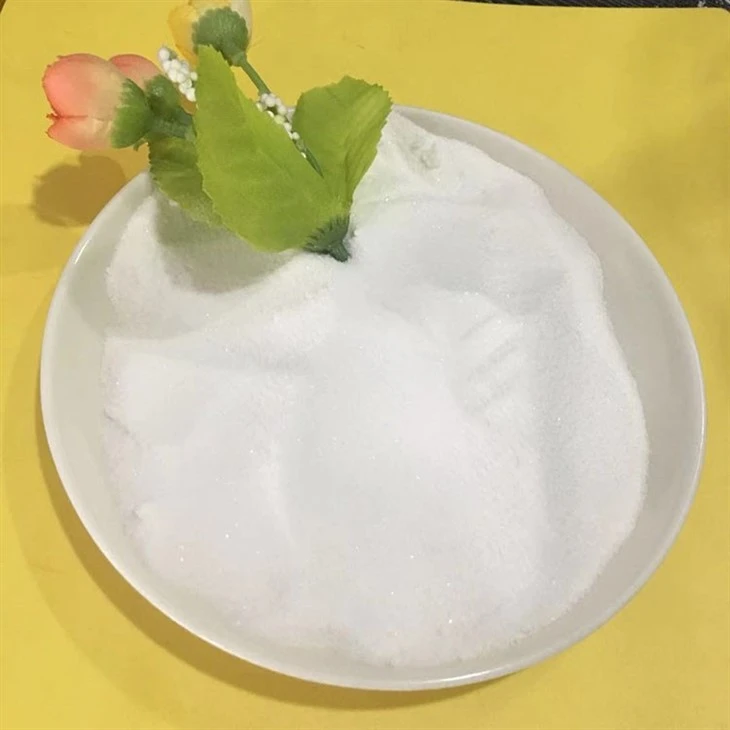
Potassium Bicarbonate is a white, crystalline powder with the chemical formula KHCO₃. It is a mild alkali that can be used as a leavening agent in baking, a pH regulator in food and beverages, and a source of potassium in fertilizers. You can find more information about Potassium Bicarbonate on our website.
2. Side - effects in Ingestion
2.1 Gastrointestinal Issues
When ingested, especially in large amounts, Potassium Bicarbonate can cause several gastrointestinal problems. It can react with stomach acid (hydrochloric acid) to produce carbon dioxide gas. This gas can lead to bloating, belching, and flatulence. Excessive consumption may also cause diarrhea, as the increased gas and the change in the intestinal environment can disrupt normal bowel function.
Moreover, high doses of Potassium Bicarbonate can irritate the lining of the stomach and intestines. This irritation may result in nausea and vomiting. People with sensitive stomachs or those who already suffer from gastrointestinal disorders such as gastritis or irritable bowel syndrome (IBS) are more likely to experience these side - effects.
2.2 Electrolyte Imbalance
Potassium is an essential electrolyte in the body, playing a crucial role in nerve function, muscle contraction, and maintaining proper fluid balance. Consuming too much Potassium Bicarbonate can lead to hyperkalemia, a condition characterized by abnormally high levels of potassium in the blood.
Symptoms of hyperkalemia include weakness, fatigue, irregular heartbeat, and in severe cases, it can even lead to cardiac arrest. People with kidney problems are particularly at risk, as the kidneys are responsible for regulating potassium levels in the body. If the kidneys are not functioning properly, they may not be able to excrete excess potassium effectively, increasing the likelihood of hyperkalemia.
3. Side - effects in Inhalation
In industrial settings, workers who are exposed to Potassium Bicarbonate dust through inhalation may experience respiratory problems. The fine dust particles can irritate the nasal passages, throat, and lungs.
Short - term exposure may cause coughing, sneezing, and a runny nose. Prolonged or high - level exposure can lead to more serious respiratory conditions such as bronchitis and asthma. Workers should always wear appropriate respiratory protection, such as masks, when handling Potassium Bicarbonate in powder form to minimize the risk of inhalation - related side - effects.
4. Side - effects in Skin and Eye Contact
Potassium Bicarbonate can be irritating to the skin and eyes. When it comes into contact with the skin, it may cause dryness, redness, and itching. In some cases, prolonged or repeated contact can lead to dermatitis, a skin inflammation.
If it gets into the eyes, it can cause significant irritation, pain, and redness. Immediate flushing of the eyes with plenty of water is necessary in case of eye contact to prevent damage to the eyes. Workers handling Potassium Bicarbonate should wear protective gloves and goggles to avoid skin and eye contact.
5. Side - effects in Agricultural Use
In agriculture, Potassium Bicarbonate is often used as a fungicide and a source of potassium for plants. However, excessive application of Potassium Bicarbonate to the soil can have negative impacts on the soil ecosystem.
It can change the soil pH, making it more alkaline. This change in pH can affect the availability of other nutrients in the soil, such as iron, manganese, and zinc. As a result, plants may suffer from nutrient deficiencies, even though they are getting enough potassium. Additionally, the change in soil pH can also harm beneficial soil microorganisms, which play an important role in soil fertility and plant health.
6. Mitigating the Side - effects
To minimize the side - effects of Potassium Bicarbonate, it is important to use it in the recommended amounts. In the food industry, strict regulations govern the use of Potassium Bicarbonate as a food additive. Food manufacturers should follow these regulations to ensure the safety of their products.
In industrial and agricultural settings, proper safety measures should be in place. Workers should receive adequate training on handling Potassium Bicarbonate, including wearing appropriate protective equipment. In agriculture, soil testing should be done regularly to determine the appropriate amount of Potassium Bicarbonate to apply, and efforts should be made to maintain a balanced soil pH.

7. Safety Information and Further Reading
For more detailed safety information about Potassium Bicarbonate, you can refer to our Potassium Bicarbonate SDS. Our Potassium Bicarbonate Food Grade product is manufactured to meet the highest quality and safety standards, ensuring its suitability for use in the food industry.
8. Conclusion and Call to Action
While Potassium Bicarbonate has many useful applications, it is important to be aware of its potential side - effects. By understanding these side - effects and taking appropriate precautions, we can use Potassium Bicarbonate safely and effectively.
If you are interested in purchasing Potassium Bicarbonate for your business or project, we are here to provide you with high - quality products and professional advice. Contact us to start a discussion about your specific requirements and let's explore how our Potassium Bicarbonate can meet your needs.
References
- Harrison's Principles of Internal Medicine.
- Textbook of Medical Physiology.
- Journal of Agricultural and Food Chemistry.