





Hey there! As a supplier of Potassium Carbonate K2CO3, I've seen firsthand just how crucial this compound is in the pharmaceutical industry. Today, I'm gonna break down the role of Potassium Carbonate K2CO3 in pharmaceutical production, so you can understand why it's such a big deal.
Basic Properties of Potassium Carbonate K2CO3
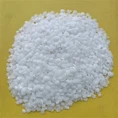
First off, let's talk a bit about what Potassium Carbonate K2CO3 is. It's an inorganic salt with the chemical formula K2CO3. It's a white, granular powder that's highly soluble in water. This compound has been around for ages and has a wide range of uses, not just in pharmaceuticals. You can check out more about its basic properties on our Potassium Carbonate K2CO3 page.
Buffering Agent in Pharmaceuticals
One of the main roles of Potassium Carbonate K2CO3 in pharmaceutical production is as a buffering agent. In the human body, many biological processes are very sensitive to changes in pH. Drugs need to be formulated in a way that maintains a stable pH to ensure their effectiveness and safety. Potassium Carbonate K2CO3 can help regulate the pH of pharmaceutical formulations.


For example, in some liquid medications, the pH needs to be kept within a certain range to prevent the degradation of active ingredients. Potassium Carbonate K2CO3 can react with acids or bases in the solution to keep the pH stable. This is super important because if the pH goes out of the optimal range, the drug might lose its potency or even cause unwanted side effects. You can learn more about the various uses of Potassium Carbonate on our Potassium Carbonate Uses page.
Excipient in Tablet and Capsule Production
Potassium Carbonate K2CO3 also serves as an excipient in the production of tablets and capsules. Excipients are substances added to drugs along with the active ingredients. They help in the manufacturing process and can improve the physical properties of the final product.
In tablet production, Potassium Carbonate K2CO3 can act as a disintegrant. When a tablet is swallowed, it needs to break down into smaller particles in the digestive tract so that the active ingredients can be absorbed. Potassium Carbonate K2CO3 can absorb water and swell, causing the tablet to break apart more easily. This ensures that the drug is released and absorbed effectively.
In capsule production, it can be used to adjust the density and flow properties of the powder inside the capsule. This makes it easier to fill the capsules accurately during the manufacturing process. And our Potassium Carbonate Industrial Grade is of high quality, which is perfect for these pharmaceutical manufacturing processes.
Solubility Enhancer
Some drugs have poor solubility in water, which can be a major problem because if a drug can't dissolve, it can't be absorbed by the body. Potassium Carbonate K2CO3 can sometimes be used to enhance the solubility of these drugs.
It can form complexes with certain drugs, making them more soluble in water. This is especially useful for drugs that are administered orally or intravenously. By increasing the solubility, the bioavailability of the drug is improved, which means more of the drug can reach its target site in the body and do its job.
Catalyst in Chemical Reactions
In the synthesis of some pharmaceutical compounds, Potassium Carbonate K2CO3 can act as a catalyst. A catalyst is a substance that speeds up a chemical reaction without being consumed in the process.
For example, in some organic synthesis reactions used to make drug precursors, Potassium Carbonate K2CO3 can help lower the activation energy of the reaction, allowing it to occur more quickly and efficiently. This can reduce the production time and cost of the pharmaceutical compound.
Safety and Quality in Pharmaceutical Use
When it comes to using Potassium Carbonate K2CO3 in pharmaceuticals, safety and quality are of the utmost importance. Our company ensures that the Potassium Carbonate we supply meets the strictest quality standards. We follow all the relevant regulations and guidelines to make sure that our product is suitable for pharmaceutical applications.
We conduct thorough quality control tests on our Potassium Carbonate K2CO3 to check for impurities and ensure its purity. This is crucial because any contaminants in the Potassium Carbonate could potentially affect the safety and effectiveness of the drugs it's used in.
Conclusion and Call to Action
As you can see, Potassium Carbonate K2CO3 plays a vital role in the production of pharmaceuticals. From buffering agents to excipients, solubility enhancers, and catalysts, it's involved in many aspects of drug manufacturing.
If you're in the pharmaceutical industry and are looking for a reliable supplier of high - quality Potassium Carbonate K2CO3, look no further. We have the experience and expertise to provide you with the best product for your needs. Whether you need a small sample for testing or a large - scale supply for production, we can meet your requirements. Contact us to start a discussion about your specific needs and let's work together to ensure the success of your pharmaceutical products.
References
- Smith, J. (2020). Pharmaceutical Excipients Handbook. Elsevier.
- Brown, A. (2019). Chemical Reactions in Pharmaceutical Synthesis. Wiley.
- Green, C. (2021). pH Regulation in Drug Formulations. Springer.