




Hey there! As a supplier of potassium nitrite, I often get asked about its various uses. One question that comes up quite a bit is whether potassium nitrite has any applications in the production of dyes. Well, let's dive right into it and explore this topic.
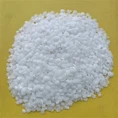
First off, let's understand what potassium nitrite is. Potassium nitrite (KNO₂) is an inorganic compound. It's a white to slightly yellowish crystalline powder that's soluble in water. You can find more detailed information about it on our Potassium Nitrite SDS page. This compound has a bunch of different uses in various industries, and we'll see if dye production is one of them.


In the world of dye production, there are several steps and processes involved. One of the key aspects is the creation of colorants through chemical reactions. Potassium nitrite can play a role in some of these reactions.
One of the main ways potassium nitrite is used in dye - making is in diazotization reactions. Diazotization is a crucial step in the synthesis of many azo dyes, which are some of the most widely used dyes in the industry. Azo dyes are known for their bright colors and good colorfastness.
During a diazotization reaction, an aromatic amine reacts with nitrous acid, which can be generated in - situ from potassium nitrite and an acid. The reaction goes like this: First, the potassium nitrite reacts with an acid (usually hydrochloric acid) to form nitrous acid (HNO₂). Then, the nitrous acid reacts with the aromatic amine to form a diazonium salt. This diazonium salt is highly reactive and can be coupled with other aromatic compounds to form azo dyes.
For example, if we have aniline (a common aromatic amine), the reaction would be as follows:
KNO₂ + HCl → HNO₂+ KCl
C₆H₅NH₂ + HNO₂+ HCl → [C₆H₅N₂]⁺Cl⁻+ 2H₂O
The diazonium salt formed ([C₆H₅N₂]⁺Cl⁻) can then react with a coupling agent, like a phenol or a naphthol, to form an azo dye.
The advantage of using potassium nitrite in this process is that it's a relatively stable and easy - to - handle source of nitrous acid. Unlike nitrous acid itself, which is unstable and difficult to store, potassium nitrite can be stored safely and used when needed.
Another application of potassium nitrite in dye production is in the oxidation and reduction processes. Some dyes require specific oxidation states of certain elements in their molecules to achieve the desired color. Potassium nitrite can act as an oxidizing or reducing agent in some cases, helping to adjust these oxidation states.
For instance, in the production of some metal - complex dyes, potassium nitrite can be used to oxidize or reduce metal ions to the appropriate oxidation state. This can affect the color and stability of the final dye product.
We offer high - quality Potassium Nitrite Crystal that is suitable for these dye - production processes. Our crystals are pure and of consistent quality, which is essential for getting reliable results in chemical reactions.
In addition to azo dyes, potassium nitrite can also be used in the production of some reactive dyes. Reactive dyes are designed to form a covalent bond with the fiber they are applied to, resulting in excellent colorfastness. Potassium nitrite can be involved in some of the intermediate steps of reactive dye synthesis, especially in reactions that require the introduction of specific functional groups.
However, it's important to note that working with potassium nitrite in dye production requires proper safety precautions. Potassium nitrite is toxic if ingested or inhaled, and it can react violently with some substances. That's why it's crucial to refer to the Potassium Nitrite SDS for detailed safety information.
Now, let's talk about the quality of potassium nitrite needed for dye production. The purity of potassium nitrite is extremely important. Impurities in the potassium nitrite can affect the outcome of the chemical reactions. For example, if there are metal impurities in the potassium nitrite, they can catalyze unwanted side reactions or affect the color of the final dye product.
As a supplier, we understand the importance of purity. Our Nitrite Potassium undergoes strict quality control measures to ensure that it meets the high standards required for dye production. We use advanced purification techniques to remove any impurities, so you can be confident that you're getting a product that will perform well in your dye - making processes.
The quantity of potassium nitrite used in dye production also matters. The amount needed depends on the specific dye being produced and the scale of the production. In a small - scale laboratory synthesis, only a few grams of potassium nitrite might be required. But in large - scale industrial production, tons of potassium nitrite could be used.
If you're in the dye - production business and are looking for a reliable supplier of potassium nitrite, we're here to help. We have the experience and expertise to provide you with the right product for your needs. Whether you're making azo dyes, reactive dyes, or any other type of colorant, our potassium nitrite can be a valuable addition to your production process.
We offer different packaging options to suit your requirements. Whether you need small quantities for research and development or large bulk orders for industrial production, we can accommodate you.
If you're interested in learning more about how our potassium nitrite can be used in your dye - production processes or if you want to place an order, feel free to reach out. We're always happy to have a chat and discuss your specific needs.
In conclusion, potassium nitrite definitely has important applications in the production of dyes. Its role in diazotization reactions, oxidation - reduction processes, and other steps in dye synthesis makes it a valuable chemical in the dye - making industry. And as a trusted supplier, we're committed to providing you with the best quality potassium nitrite for your dye - production needs.
References
- "Advanced Organic Chemistry" by Jerry March
- "Dye Chemistry" by Kurt Venkataraman
- "Industrial Chemistry" textbooks covering dye production processes.