


Potassium bicarbonate, also known as potassium hydrogen carbonate or bicarbonate of potash, is a versatile inorganic compound with the chemical formula KHCO₃. As a leading supplier of potassium bicarbonate, I am often asked about its reactivity with acids. In this blog post, I will delve into the fascinating world of chemical reactions between potassium bicarbonate and acids, exploring the underlying mechanisms, products formed, and practical applications.
Understanding the Basics of Potassium Bicarbonate
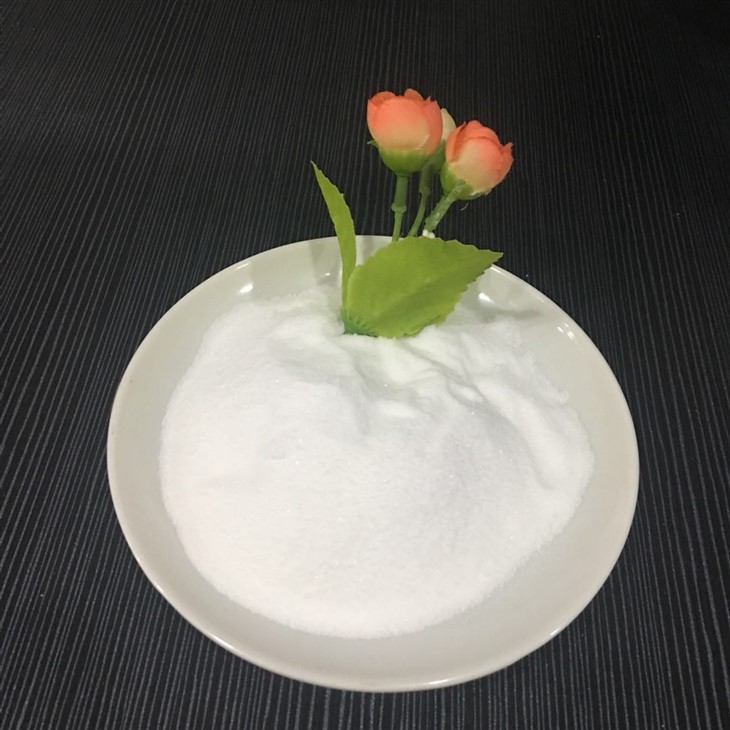
Potassium bicarbonate is a white, crystalline powder that is soluble in water. It is commonly used in various industries, including food and beverage, agriculture, and pharmaceuticals. In the food industry, Potassium Bicarbonate Food Grade is used as a leavening agent, pH regulator, and anti - caking agent. In agriculture, it can be used as a source of potassium and a fungicide.
Chemical Reaction Mechanisms
When potassium bicarbonate reacts with an acid, a classic acid - base reaction occurs. The bicarbonate ion (HCO₃⁻) in potassium bicarbonate acts as a weak base and reacts with the hydrogen ions (H⁺) from the acid. The general chemical equation for the reaction between potassium bicarbonate and a strong acid (HA) can be written as follows:
KHCO₃ + HA → KA+ H₂O + CO₂↑
Let's break down the steps of this reaction:
-
Protonation of the bicarbonate ion: The hydrogen ion from the acid donates a proton to the bicarbonate ion. For example, if the acid is hydrochloric acid (HCl), the reaction starts with:
H⁺+ HCO₃⁻ → H₂CO₃ -
Decomposition of carbonic acid: The carbonic acid (H₂CO₃) formed in the first step is unstable and decomposes into water and carbon dioxide:
H₂CO₃ → H₂O + CO₂↑ -
Formation of a salt: The remaining anion from the acid combines with the potassium ion (K⁺) to form a salt. In the case of hydrochloric acid, the salt formed is potassium chloride (KCl).
Examples of Reactions with Different Acids
Reaction with Hydrochloric Acid (HCl)
The reaction between potassium bicarbonate and hydrochloric acid is a straightforward example. The chemical equation is:
KHCO₃ + HCl → KCl+ H₂O + CO₂↑
When these two substances are mixed, effervescence is observed due to the release of carbon dioxide gas. The reaction is exothermic, meaning it releases heat. The potassium chloride formed remains in the solution as it is soluble in water.
Reaction with Sulfuric Acid (H₂SO₄)
The reaction with sulfuric acid is a bit more complex because sulfuric acid is a diprotic acid, meaning it can donate two hydrogen ions. The initial reaction is:
2KHCO₃ + H₂SO₄ → K₂SO₄+ 2H₂O + 2CO₂↑
Here, two moles of potassium bicarbonate react with one mole of sulfuric acid to produce potassium sulfate, water, and carbon dioxide. The potassium sulfate formed is also soluble in water.
Reaction with Citric Acid (C₆H₈O₇)
Citric acid is a weak organic acid commonly found in citrus fruits. The reaction with potassium bicarbonate is:
3KHCO₃ + C₆H₈O₇ → K₃C₆H₅O₇+ 3H₂O + 3CO₂↑

This reaction is often used in the food industry, for example, in the production of effervescent tablets or fizzy drinks. The potassium citrate formed can have various applications, such as in the treatment of kidney stones.
Practical Applications of the Reaction
Food and Beverage Industry
The reaction between potassium bicarbonate and acids is widely used in the food and beverage industry. In baking, when potassium bicarbonate reacts with an acidic ingredient like lemon juice or buttermilk, carbon dioxide is released, causing the dough or batter to rise. This is similar to the action of baking powder, which contains a combination of an acid and a bicarbonate.
In the production of carbonated beverages, the reaction can be used to generate carbon dioxide in - situ. By adding potassium bicarbonate and an acid source to the beverage mixture, the resulting carbon dioxide gives the drink its characteristic fizz.
Fire Extinguishers
Potassium bicarbonate - based dry chemical fire extinguishers are effective against Class B (flammable liquids) and Class C (energized electrical equipment) fires. When the extinguisher is activated, the potassium bicarbonate powder is expelled and reacts with the heat and any acidic components in the fire environment. The release of carbon dioxide helps to smother the fire by displacing oxygen, while the powder can also chemically interfere with the combustion process.
Safety Considerations
When handling potassium bicarbonate and acids, it is important to follow safety protocols. Potassium bicarbonate is generally considered safe, but it can cause irritation if it comes into contact with the eyes or skin. Acids, especially strong acids like hydrochloric and sulfuric acid, are highly corrosive and can cause severe burns.
For detailed safety information, please refer to the Potassium Bicarbonate SDS. This document provides information on handling, storage, and first - aid measures in case of accidental exposure.
Conclusion
The reaction between potassium bicarbonate and acids is a fundamental chemical process with numerous practical applications. Whether it's in the kitchen, the laboratory, or in industrial settings, understanding this reaction is crucial. As a supplier of Bicarbonate Of Potash, I am committed to providing high - quality potassium bicarbonate for various applications.
If you are interested in purchasing potassium bicarbonate for your specific needs, whether it's for food production, agricultural use, or other industrial applications, I encourage you to reach out for a procurement discussion. We can provide you with detailed product information, pricing, and help you determine the best grade and quantity for your requirements.
References
- Petrucci, R. H., Herring, F. G., Madura, J. D., & Bissonnette, C. (2017). General Chemistry: Principles and Modern Applications. Pearson.
- Zumdahl, S. S., & Zumdahl, S. A. (2019). Chemistry. Cengage Learning.