




Potassium nitrite, a compound with the chemical formula KNO₂, has long been a subject of interest in the field of agriculture due to its potential effects on plant growth. As a leading supplier of Potassium Nitrite Uses, I have witnessed firsthand the growing curiosity and demand for this chemical in the agricultural sector. In this blog, we will delve into the scientific aspects of how potassium nitrite affects plant growth, exploring both the positive and negative impacts based on the latest research.
Understanding Potassium Nitrite
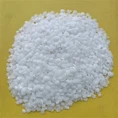
Potassium nitrite is an inorganic salt that exists as a white to slightly yellowish crystalline powder. It is highly soluble in water and is commonly used in various industrial applications, such as a corrosion inhibitor, a food preservative, and in the production of dyes. In agriculture, its role is more complex and multifaceted.
The compound contains two essential elements for plants: potassium and nitrogen. Potassium is a macronutrient that plays a crucial role in many physiological processes in plants, including enzyme activation, osmoregulation, and the movement of water and nutrients within the plant. Nitrogen, on the other hand, is a key component of proteins, nucleic acids, and chlorophyll, all of which are essential for plant growth and development.
Positive Effects of Potassium Nitrite on Plant Growth
1. Nutrient Supply
One of the primary ways potassium nitrite can benefit plant growth is by providing a source of potassium and nitrogen. When applied to the soil, potassium nitrite dissociates into potassium ions (K⁺) and nitrite ions (NO₂⁻). The potassium ions are readily absorbed by plant roots and transported to various parts of the plant, where they contribute to maintaining cell turgor, regulating stomatal opening and closing, and activating enzymes involved in photosynthesis and respiration.
The nitrite ions, although not the preferred form of nitrogen for plants compared to nitrate (NO₃⁻), can be converted into nitrate by soil bacteria through a process called nitrification. Nitrate is then taken up by plants and used to synthesize amino acids, proteins, and other nitrogen-containing compounds. This additional supply of nitrogen can enhance plant growth, leading to increased leaf area, biomass production, and overall plant vigor.
2. Stress Tolerance
Potassium nitrite has also been shown to improve plant tolerance to various environmental stresses. For example, studies have indicated that potassium can enhance a plant's ability to withstand drought stress by regulating water uptake and reducing water loss through transpiration. By maintaining proper cell turgor, plants can better tolerate water shortages and continue to grow under limited water conditions.
In addition, potassium plays a role in protecting plants from oxidative stress caused by factors such as high light intensity, extreme temperatures, and pathogen attacks. It helps to activate antioxidant enzymes, which scavenge reactive oxygen species (ROS) and prevent damage to cellular components. Nitrite, on the other hand, has been reported to have some signaling functions in plants, which may contribute to the activation of stress-responsive genes and enhance the plant's defense mechanisms.
3. Root Development
Potassium is known to promote root growth and development. It stimulates cell division and elongation in the root tips, leading to a more extensive and branched root system. A well-developed root system is essential for plants to absorb water and nutrients from the soil effectively. By providing potassium through potassium nitrite, plants can develop stronger and more efficient roots, which in turn support better overall growth and nutrient uptake.
Negative Effects of Potassium Nitrite on Plant Growth
1. Nitrite Toxicity
While nitrogen is an essential nutrient for plants, excessive amounts of nitrite can be toxic. Nitrite ions can interfere with the normal functioning of plant cells by binding to heme-containing proteins, such as hemoglobin and cytochrome oxidase, and inhibiting their activity. This can disrupt respiration and other metabolic processes in plants, leading to reduced growth, chlorosis (yellowing of leaves), and even plant death in severe cases.
The toxicity of nitrite depends on several factors, including the concentration of nitrite in the soil solution, the plant species, and the stage of plant growth. Some plants are more sensitive to nitrite toxicity than others, and younger plants are generally more vulnerable than mature ones. Therefore, it is crucial to apply potassium nitrite at appropriate rates to avoid nitrite accumulation in the soil and subsequent toxicity to plants.
2. Soil pH and Microbial Activity
The application of potassium nitrite can also affect soil pH and microbial activity. Nitrite ions can react with water in the soil to form nitrous acid (HNO₂), which can lower the soil pH. Acidic soil conditions can have a negative impact on plant growth by reducing the availability of essential nutrients, such as phosphorus, calcium, and magnesium. In addition, changes in soil pH can also affect the activity of soil microorganisms, which play a vital role in nutrient cycling and plant health.
Some soil bacteria are sensitive to changes in pH and may be inhibited by the acidic conditions created by nitrite. This can disrupt the normal nitrogen cycle in the soil, leading to reduced nitrification and potentially affecting the availability of nitrogen for plants. Therefore, it is important to monitor soil pH and microbial activity when using potassium nitrite in agriculture and take appropriate measures to maintain a balanced soil environment.
Optimal Use of Potassium Nitrite in Agriculture
To maximize the positive effects of potassium nitrite on plant growth while minimizing the negative impacts, it is essential to use it judiciously. Here are some guidelines for the optimal use of potassium nitrite in agriculture:
1. Soil Testing
Before applying potassium nitrite, it is recommended to conduct a soil test to determine the existing nutrient levels, soil pH, and microbial activity. This will help to determine the appropriate application rate of potassium nitrite and identify any potential issues that need to be addressed.
2. Application Rate
The application rate of potassium nitrite should be based on the specific needs of the plants and the soil conditions. It is important to follow the recommended rates provided by agricultural experts or product labels to avoid over-application and potential toxicity. In general, it is better to apply potassium nitrite in split doses rather than a single large application to ensure a more consistent supply of nutrients to the plants.
3. Compatibility with Other Fertilizers
Potassium nitrite can be used in combination with other fertilizers to provide a balanced supply of nutrients to plants. However, it is important to consider the compatibility of potassium nitrite with other fertilizers and avoid mixing it with fertilizers that may react with nitrite and cause adverse effects. For example, potassium nitrite should not be mixed with ammonium-based fertilizers, as this can lead to the formation of toxic ammonia gas.
4. Monitoring and Evaluation
Regular monitoring of plant growth, soil conditions, and nutrient levels is essential to evaluate the effectiveness of potassium nitrite application. This will help to identify any problems early on and make necessary adjustments to the application rate or other management practices.
Conclusion
Potassium nitrite can have both positive and negative effects on plant growth, depending on how it is used. As a Potassium Nitrite Uses supplier, we are committed to providing high-quality Potassium Nitrite Crystal and comprehensive information to our customers. By understanding the scientific principles behind the effects of potassium nitrite on plant growth and following the optimal use guidelines, farmers and gardeners can harness the benefits of this compound to improve crop yields and plant health.
If you are interested in purchasing potassium nitrite for your agricultural needs or have any questions about its use, please feel free to contact us for further discussion and procurement negotiation. We look forward to working with you to achieve your agricultural goals.


References
- Marschner, H. (2012). Mineral Nutrition of Higher Plants. Academic Press.
- Mengel, K., & Kirkby, E. A. (2001). Principles of Plant Nutrition. Kluwer Academic Publishers.
- Zhang, F., & Schmidhalter, U. (2002). Effects of potassium nutrition on drought resistance of wheat. Journal of Plant Nutrition, 25(6), 1327-1340.
- Xing, G., & Zhu, Y. (2000). Nitrification in agricultural soils: challenges and opportunities. Advances in Agronomy, 68, 117-152.