


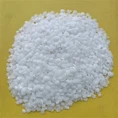


Potassium nitrite crystal is a chemical compound that has found a variety of uses in different industries. As a supplier of Potassium Nitrite Crystal, I am often asked about its impact on human health. In this blog, I will explore the ways in which potassium nitrite crystal can affect human health, both positively and negatively, based on scientific research and industry knowledge.
1. Basic Introduction to Potassium Nitrite Crystal
Potassium nitrite crystal has the chemical formula KNO₂. It is a yellowish - white to slightly yellow crystalline solid. The crystal is highly soluble in water and has a wide range of applications. You can learn more about its uses by visiting Potassium Nitrite Uses.
2. Positive Effects on Human Health
2.1. Medical Applications
In some medical research, potassium nitrite has shown potential benefits. It can act as a vasodilator. When consumed in very small and controlled amounts, it may help relax blood vessels, which could potentially assist in reducing blood pressure. This is because nitrite can be converted to nitric oxide in the body. Nitric oxide is a signaling molecule that plays a crucial role in regulating blood flow, immune response, and neurotransmission. Some studies have investigated its use in treating conditions such as pulmonary hypertension, where the blood vessels in the lungs are constricted.
2.2. Food Preservation
Potassium nitrite is used as a food preservative, especially in cured meats. It helps prevent the growth of harmful bacteria, such as Clostridium botulinum, which can cause botulism, a life - threatening illness. By inhibiting the growth of these bacteria, potassium nitrite helps ensure the safety of the food we consume. However, it is important to note that the use of potassium nitrite in food is strictly regulated to ensure that the levels are safe for human consumption.
3. Negative Effects on Human Health
3.1. Toxicity and Poisoning
Potassium nitrite crystal is toxic if ingested in large amounts. It can cause methemoglobinemia, a condition in which the oxygen - carrying capacity of the blood is reduced. When potassium nitrite is absorbed into the bloodstream, it can oxidize the iron in hemoglobin from the ferrous (Fe²⁺) to the ferric (Fe³⁺) state, forming methemoglobin. Methemoglobin cannot bind and transport oxygen effectively, leading to symptoms such as shortness of breath, cyanosis (bluish discoloration of the skin and mucous membranes), headache, dizziness, and in severe cases, it can be fatal.
The lethal dose of potassium nitrite for humans is estimated to be around 2 - 6 grams, although this can vary depending on individual factors such as age, weight, and overall health. Children are particularly vulnerable to nitrite poisoning due to their smaller body size and developing physiological systems.
3.2. Carcinogenic Potential
There is some concern about the carcinogenic potential of potassium nitrite. When nitrites react with amines or amides in the stomach, they can form N - nitrosamines, which are known carcinogens. High levels of N - nitrosamines have been associated with an increased risk of various cancers, including gastric, esophageal, and colorectal cancers. However, it is important to note that the formation of N - nitrosamines depends on several factors, such as the presence of other substances in the diet, pH levels in the stomach, and the amount of nitrite consumed.
3.3. Allergic Reactions
Although relatively rare, some individuals may experience allergic reactions to potassium nitrite. Symptoms of an allergic reaction can include skin rashes, itching, swelling, difficulty breathing, and in severe cases, anaphylaxis, a life - threatening allergic reaction that requires immediate medical attention.
4. Safety Measures and Precautions
4.1. Handling in Industrial Settings
As a supplier of Potassium Nitrite Crystal, I understand the importance of safety in handling this chemical. In industrial settings, workers should wear appropriate personal protective equipment (PPE), such as gloves, goggles, and respirators, to prevent skin contact, eye exposure, and inhalation of the crystal dust. Adequate ventilation should be provided to minimize the concentration of airborne particles.
4.2. Storage
Potassium nitrite crystal should be stored in a cool, dry place, away from incompatible substances such as acids, reducing agents, and combustible materials. It should be kept in tightly sealed containers to prevent moisture absorption and contamination.
4.3. Food Regulations
In the food industry, strict regulations are in place to control the use of potassium nitrite. The maximum allowable levels of nitrite in different types of foods are set by regulatory authorities to ensure consumer safety. For example, in the United States, the Food and Drug Administration (FDA) has established limits for the use of nitrites in cured meats.
5. Risk Assessment and Management
5.1. Workplace Risk Assessment
Employers in industries that use potassium nitrite should conduct regular risk assessments to identify potential hazards and implement appropriate control measures. This may include monitoring air quality, providing training to workers on safe handling procedures, and establishing emergency response plans in case of accidental exposure.
5.2. Consumer Awareness
Consumers should be aware of the presence of potassium nitrite in food products and make informed choices. Reading food labels can help consumers understand the ingredients and the levels of nitrite in the products they purchase. Additionally, maintaining a balanced diet with a variety of foods can help reduce the overall exposure to nitrites.
6. Conclusion
Potassium nitrite crystal has both positive and negative effects on human health. While it has some potential medical applications and is useful in food preservation, it also poses risks such as toxicity, carcinogenic potential, and allergic reactions. As a supplier, I am committed to providing high - quality Potassium Nitrite Crystal while ensuring that all safety guidelines are followed.

If you are interested in learning more about potassium nitrite crystal or are considering a purchase for your industrial or food - related needs, I encourage you to review our Potassium Nitrite SDS for detailed safety information. Feel free to reach out to start a conversation about procurement and how we can meet your specific requirements.

References
- Agency for Toxic Substances and Disease Registry (ATSDR). (2018). Toxicological Profile for Nitrates and Nitrites.
- European Food Safety Authority (EFSA). (2017). Scientific Opinion on the risks for public health related to the presence of nitrates and nitrites in food.
- World Health Organization (WHO). (2010). Nitrates and Nitrites in Food.