


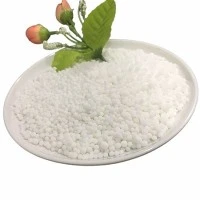



Potassium carbonate, a versatile inorganic compound, plays a crucial role in the production of electronic components. As a supplier of potassium carbonate, I've seen firsthand how this chemical is used in various electronic manufacturing processes. In this blog, I'll share some insights into how potassium carbonate is used in the production of electronic components.
Cleaning and Etching
One of the primary uses of potassium carbonate in electronics is for cleaning and etching. In the manufacturing of printed circuit boards (PCBs), it's essential to have a clean surface to ensure proper adhesion of components and to prevent short - circuits. Potassium carbonate solutions are used to clean PCBs, removing dirt, grease, and other contaminants.
The alkaline nature of potassium carbonate makes it an effective cleaner. When dissolved in water, it forms a basic solution that can break down organic materials. This is particularly useful in removing soldering flux residues, which are often left behind after the soldering process. The flux helps in soldering by preventing oxidation, but it can also cause problems if not removed properly. A solution of potassium carbonate can dissolve these flux residues, leaving a clean and smooth surface on the PCB.
Etching is another important process in electronics manufacturing. In the production of semiconductor devices, precise etching is required to create patterns on silicon wafers. Potassium carbonate can be used as an etchant in some cases. It can selectively remove certain materials, allowing for the creation of fine - tuned electronic circuits. For example, it can be used to etch away unwanted metal layers on a wafer, leaving behind only the desired circuit patterns.
You can find high - quality Potassium Carbonate K2CO3 for these cleaning and etching processes from our supply.
Electrolytes in Batteries
Potassium carbonate is also used in the production of batteries, especially in some types of alkaline batteries. In a battery, the electrolyte is a crucial component that allows the flow of ions between the anode and the cathode. Potassium carbonate can be used as an electrolyte additive.
It helps to improve the conductivity of the electrolyte solution. By increasing the number of ions available for conduction, it enhances the battery's performance, including its charge - discharge efficiency and overall lifespan. In some rechargeable batteries, potassium carbonate can also help to stabilize the electrode - electrolyte interface, reducing the degradation of the battery over time.
If you're in the battery manufacturing industry, our Potassium Carbonate Powder can be a great option for your electrolyte needs.
Catalyst in Chemical Reactions
In the synthesis of certain electronic materials, potassium carbonate can act as a catalyst. Catalysts are substances that speed up chemical reactions without being consumed in the process. In the production of some organic electronic materials, such as polymers used in organic light - emitting diodes (OLEDs), potassium carbonate can facilitate the reaction between different chemical compounds.
It can lower the activation energy of the reaction, allowing it to occur at a faster rate and under milder conditions. This not only improves the efficiency of the manufacturing process but also helps to produce high - quality electronic materials with consistent properties.
Dielectric Materials
Dielectric materials are used in electronic components to store and separate electrical charges. Potassium carbonate can be incorporated into dielectric materials to modify their properties. For example, it can affect the dielectric constant, which is a measure of a material's ability to store electrical energy.


By adjusting the amount of potassium carbonate in a dielectric material, manufacturers can fine - tune the electrical properties of the component. This is important in applications such as capacitors, where the dielectric material plays a critical role in determining the capacitor's capacitance and performance. You can source Anhydrous Potassium Carbonate from us for use in dielectric material production.
Advantages of Using Our Potassium Carbonate
As a supplier, we take pride in offering high - quality potassium carbonate products. Our potassium carbonate is produced using advanced manufacturing processes, ensuring high purity and consistent quality. This is crucial in electronic component production, where even small impurities can have a significant impact on the performance of the final product.
We also offer a range of potassium carbonate products, including different grades and forms, to meet the diverse needs of our customers. Whether you need a fine powder for precise applications or a solution for large - scale cleaning processes, we have the right product for you.
Contact Us for Your Potassium Carbonate Needs
If you're involved in the production of electronic components and are looking for a reliable source of potassium carbonate, we'd love to hear from you. Our team of experts can provide you with detailed information about our products, help you choose the right type of potassium carbonate for your specific application, and offer competitive pricing.
Don't hesitate to reach out to us to start a discussion about your potassium carbonate requirements. We're committed to providing excellent customer service and ensuring that you get the best product for your electronic manufacturing needs.
References
- Smith, J. (2018). "Inorganic Chemicals in Electronics Manufacturing". Journal of Electronic Materials, 45(3), 123 - 135.
- Brown, A. (2020). "The Role of Potassium Compounds in Battery Technology". Battery Science Review, 12(2), 78 - 89.
- Green, C. (2019). "Catalysis in Organic Electronic Material Synthesis". Organic Electronics Journal, 22, 45 - 56.