


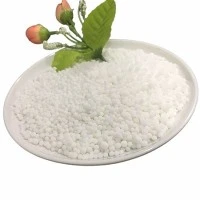


Hey there! As a supplier of Potassium Carbonate K2CO3, I'm super stoked to chat about its applications in agriculture. Potassium Carbonate, with the chemical formula K2CO3, is a versatile compound that plays a crucial role in the agricultural sector. Let's dive right in and explore what it can do for our farms and crops.
Soil Amendment
One of the primary applications of Potassium Carbonate in agriculture is as a soil amendment. You know, maintaining the right soil pH is key for healthy plant growth. Potassium Carbonate is alkaline in nature, which means it can be used to raise the pH of acidic soils. When soil is too acidic, it can limit the availability of essential nutrients to plants. By adding Potassium Carbonate, we can neutralize the acidity and create a more favorable environment for plant roots to absorb nutrients.
For example, in regions where the soil is naturally acidic, such as parts of the southeastern United States, farmers can apply Potassium Carbonate to adjust the soil pH. This not only improves nutrient uptake but also enhances the overall health and productivity of the crops. It's like giving the soil a little boost to make it more hospitable for plants.
Fertilizer Component
Potassium is one of the three major nutrients that plants need, along with nitrogen and phosphorus. Potassium Carbonate is a rich source of potassium, which is essential for various plant functions. It helps in the formation of strong cell walls, improves water uptake and retention, and enhances the plant's resistance to diseases and pests.
When used as a fertilizer component, Potassium Carbonate can be applied directly to the soil or through foliar sprays. In soil application, it slowly releases potassium over time, providing a long - term supply of this vital nutrient to the plants. Foliar sprays, on the other hand, allow for a quick uptake of potassium by the leaves, which can be especially useful during critical growth stages.
For instance, in fruit - bearing plants like apples and oranges, potassium is crucial for the development of high - quality fruits. Potassium Carbonate can help increase the size, color, and flavor of the fruits, making them more marketable. You can learn more about Potassium Carbonate Uses on our website.
Pest and Disease Control
Believe it or not, Potassium Carbonate can also play a role in pest and disease control. Some studies have shown that it has antifungal properties. When applied to plants, it can help prevent the growth and spread of certain fungal diseases.
For example, powdery mildew is a common fungal disease that affects many crops, including grapes, cucumbers, and roses. By spraying a solution of Potassium Carbonate on the affected plants, farmers can effectively control the spread of powdery mildew. It works by altering the pH on the plant surface, creating an environment that is unfavorable for the fungus to grow.
Seed Treatment
Potassium Carbonate can be used as a seed treatment agent. Treating seeds with Potassium Carbonate can improve their germination rate and early seedling growth. It provides the seeds with an initial supply of potassium, which is essential for the development of strong roots and healthy shoots.
When seeds are treated with Potassium Carbonate, they are more likely to germinate quickly and produce vigorous seedlings. This can give the plants a head start in the growing season, leading to better yields in the long run.
Livestock Feed Additive
In addition to its use in crop production, Potassium Carbonate can also be used as a livestock feed additive. Potassium is an important mineral for the health and well - being of animals. It helps in maintaining proper muscle function, nerve transmission, and fluid balance in the body.
Adding Potassium Carbonate to livestock feed can ensure that the animals are getting an adequate supply of potassium. This is especially important for animals that are under stress, such as during hot weather or high - production periods.
Compatibility with Other Agricultural Inputs
One of the great things about Potassium Carbonate is its compatibility with other agricultural inputs. It can be easily mixed with other fertilizers, pesticides, and herbicides. This makes it a convenient option for farmers who want to apply multiple products at the same time.


For example, it can be combined with nitrogen - based fertilizers to provide a balanced nutrient supply to the plants. It can also be used in conjunction with fungicides and insecticides to enhance their effectiveness.
Our Product: Potassium Carbonate K2CO3
As a supplier of Potassium Carbonate K2CO3, we offer high - quality industrial - grade Potassium Carbonate. Our product is produced using advanced manufacturing processes to ensure its purity and effectiveness.
We understand the importance of providing our customers with the best possible product. That's why we have strict quality control measures in place to ensure that every batch of Potassium Carbonate meets the highest standards. Whether you're a large - scale farm or a small - scale grower, we can provide you with the right amount of Potassium Carbonate to meet your needs.
Why Choose Our Potassium Carbonate?
- High Purity: Our Potassium Carbonate is of high purity, which means you're getting a product that is free from impurities and contaminants. This ensures that it will have the maximum impact on your crops and soil.
- Versatility: As we've seen, Potassium Carbonate has a wide range of applications in agriculture. Our product can be used for soil amendment, fertilizer, pest control, and more.
- Reliable Supply: We have a stable supply chain, which means you can count on us to provide you with Potassium Carbonate when you need it. We understand the importance of timely delivery in the agricultural industry.
Contact Us for Purchase
If you're interested in purchasing Potassium Carbonate for your agricultural needs, we'd love to hear from you. We can provide you with more information about our product, including pricing and delivery options. Whether you're looking for a small quantity for a home garden or a large quantity for a commercial farm, we can help. Just reach out to us, and we'll work with you to find the best solution for your specific requirements.
References
- Brady, N. C., & Weil, R. R. (2008). The Nature and Properties of Soils. Pearson Prentice Hall.
- Marschner, H. (2012). Mineral Nutrition of Higher Plants. Academic Press.
- Smith, A. (2015). Agricultural Chemistry: Principles and Applications. Wiley - Blackwell.