


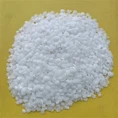


Hey there! As a supplier of Nitrite Potassium, I've been in the thick of the industry for quite a while. Over time, I've come to realize that the market price of Nitrite Potassium is influenced by a whole bunch of factors. In this blog post, I'm gonna break down these factors for you, so you can get a better understanding of what's going on in the market.


Supply and Demand
The most basic economic principle at play here is the law of supply and demand. When the demand for Nitrite Potassium is high and the supply is low, the price goes up. Conversely, when the supply is abundant and the demand is weak, the price tends to drop.
On the demand side, Nitrite Potassium has a wide range of applications. It's used in the food industry as a preservative and color fixative, in the pharmaceutical industry for certain medications, and in the chemical industry for various chemical reactions. For instance, in the food industry, it helps prevent the growth of bacteria in cured meats, which is crucial for food safety. You can learn more about its uses on this page: Potassium Nitrite Uses.
The demand for Nitrite Potassium can also be affected by seasonal factors. For example, during the holiday seasons, the demand for cured meats usually goes up, which in turn increases the demand for Nitrite Potassium. On the supply side, factors like production capacity, raw material availability, and production disruptions can all impact the supply of Nitrite Potassium. If a major production facility experiences a breakdown or faces regulatory issues, the supply can be significantly reduced, leading to a price increase.
Raw Material Costs
The production of Nitrite Potassium requires specific raw materials, and the cost of these raw materials has a direct impact on its market price. The main raw materials used in the production of Nitrite Potassium include potassium hydroxide and nitric acid.
The prices of these raw materials are subject to their own market forces. For example, if there's a shortage of potassium hydroxide due to reduced mining output or increased demand from other industries, its price will rise. This increase in raw material cost will then be passed on to the price of Nitrite Potassium. Similarly, fluctuations in the price of nitric acid, which can be affected by factors like energy costs and environmental regulations, can also cause the price of Nitrite Potassium to change.
Production Technology and Efficiency
The production technology and efficiency of Nitrite Potassium manufacturers also play a significant role in determining its market price. Manufacturers that use advanced production technologies and have high - efficiency production processes can produce Nitrite Potassium at a lower cost.
Newer technologies may reduce energy consumption, increase yield, or improve product quality. For example, some modern production methods can achieve a higher conversion rate of raw materials into Nitrite Potassium, which means less waste and lower costs. Manufacturers with more efficient processes can afford to sell their products at a lower price, which can then influence the overall market price.
On the other hand, if a manufacturer is using outdated technology or has low - efficiency production, their production costs will be higher. To maintain profitability, they may have to set a higher price for their Nitrite Potassium, which can also have an impact on the market price, especially if they have a significant market share.
Regulatory Environment
The regulatory environment has a major impact on the market price of Nitrite Potassium. Governments around the world have strict regulations regarding the production, storage, transportation, and use of Nitrite Potassium due to its potential health and environmental risks.
For production, manufacturers need to comply with environmental regulations to ensure that their production processes do not cause pollution. This may require them to invest in expensive pollution control equipment, which increases the production cost. Additionally, regulations regarding worker safety in the production facilities can also add to the cost.
In terms of use, there are strict limits on the amount of Nitrite Potassium that can be used in food products. For example, in the European Union, there are specific maximum levels of Nitrite Potassium allowed in different types of cured meats. If a food manufacturer wants to use Nitrite Potassium, they need to ensure compliance, which may involve additional testing and quality control measures. These regulatory compliance costs are ultimately reflected in the price of Nitrite Potassium. You can find more detailed safety information on the Potassium Nitrite SDS page.
Competition in the Market
The level of competition in the Nitrite Potassium market also affects its price. If there are many suppliers in the market, they will compete with each other to attract customers. This competition can lead to price wars, where suppliers lower their prices to gain a larger market share.
On the other hand, if the market is dominated by a few large suppliers, they may have more control over the price. These suppliers can form a sort of oligopoly and set prices at a level that maximizes their profits. However, this is often subject to antitrust regulations, which aim to prevent monopolistic behavior and ensure fair competition in the market.
As a supplier, I'm constantly aware of the competition. I need to offer high - quality products at competitive prices to stay in the game. This means keeping an eye on what my competitors are doing and adjusting my prices and marketing strategies accordingly.
Global Economic Conditions
Global economic conditions can have an indirect but significant impact on the market price of Nitrite Potassium. In a strong global economy, industries that use Nitrite Potassium, such as the food and chemical industries, tend to grow. This leads to an increase in demand for Nitrite Potassium, which can drive up the price.
Conversely, during an economic recession, these industries may experience a slowdown. Consumers may cut back on their spending on luxury food items like cured meats, which reduces the demand for Nitrite Potassium. As a result, the price may fall. Additionally, currency exchange rates can also affect the price. If the currency of the country where the Nitrite Potassium is produced weakens against other major currencies, it can make the product cheaper for international buyers, which may increase the demand and potentially affect the price.
In conclusion, the market price of Nitrite Potassium is influenced by a complex interplay of factors, including supply and demand, raw material costs, production technology, regulatory environment, competition, and global economic conditions. As a supplier, I'm always keeping a close eye on these factors to make informed decisions about production, pricing, and marketing.
If you're interested in purchasing Nitrite Potassium, I'd love to have a chat with you. We offer high - quality products at competitive prices, and I'm confident that we can meet your needs. Whether you're a food manufacturer, a pharmaceutical company, or a chemical industry player, feel free to reach out to discuss your requirements. You can find more information about our Nitrite Potassium on this page: Nitrite Potassium.
References
- Economic Principles of Supply and Demand: Various economic textbooks and online resources.
- Industry Reports on Nitrite Potassium Production and Market Trends.
- Government Regulatory Documents on Nitrite Potassium.