




Reaction Conditions for Magnesium Nitrate in Polymer Production
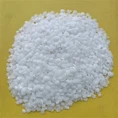
As a trusted supplier of magnesium nitrate, I've witnessed its diverse applications across various industries, with polymer production being one of the most significant. Magnesium nitrate, available in forms like Magnesium Magnesium Nitrate, Magnesium Nitrate Hexahydrate, and Magnesium Nitrate Fertilizer, plays a crucial role in polymer synthesis. In this blog, I'll delve into the reaction conditions necessary for magnesium nitrate in polymer production.
Solubility and Concentration
The solubility of magnesium nitrate in the reaction medium is a fundamental factor. Magnesium nitrate is highly soluble in water, which makes it easy to incorporate into aqueous - based polymer reaction systems. In most cases, a homogeneous solution of magnesium nitrate is required to ensure uniform distribution throughout the reaction mixture. The concentration of magnesium nitrate can significantly affect the reaction outcome. A low concentration may not provide the desired catalytic or stabilizing effects, while an overly high concentration can lead to side reactions or precipitation.
For example, in the synthesis of certain water - soluble polymers, a concentration range of 0.1 - 1 M of magnesium nitrate is often used. This concentration range allows for effective interaction with the polymer precursors without causing excessive ionic strength that could disrupt the polymerization process. The solubility also depends on the temperature; generally, higher temperatures increase the solubility of magnesium nitrate. Therefore, when adjusting the reaction temperature, one must also consider its impact on the solubility and concentration of the magnesium nitrate in the system.
Temperature
Temperature is a critical reaction condition in polymer production involving magnesium nitrate. Different polymers have different optimal reaction temperatures, and magnesium nitrate can influence these reactions at various temperature ranges.
In some cases, magnesium nitrate can act as a heat - transfer medium or a catalyst that affects the activation energy of the polymerization reaction. For instance, in the production of thermosetting polymers, the presence of magnesium nitrate may lower the curing temperature. A moderate increase in temperature can accelerate the reaction rate, as it provides the necessary energy for the monomers to react and form polymer chains. However, if the temperature is too high, it can cause thermal degradation of the polymer or the decomposition of magnesium nitrate itself.
For example, in the synthesis of polyesters, a reaction temperature between 150 - 200°C is often used when magnesium nitrate is present. At this temperature range, magnesium nitrate can promote the esterification reaction between the diols and dicarboxylic acids, leading to the formation of high - molecular - weight polyesters.
pH
The pH of the reaction medium can have a profound impact on the behavior of magnesium nitrate in polymer production. Magnesium nitrate can hydrolyze in water, and the extent of hydrolysis is pH - dependent. At low pH values, the hydrolysis of magnesium nitrate is suppressed, and the magnesium ions remain in a relatively stable state. In contrast, at high pH values, magnesium hydroxide may precipitate out of the solution, which can disrupt the polymerization reaction.
In acidic environments, magnesium nitrate can act as a Lewis acid catalyst in some polymerization reactions. For example, in the cationic polymerization of certain vinyl monomers, a slightly acidic pH (around 3 - 5) is often maintained to ensure the proper functioning of magnesium nitrate as a catalyst. In basic polymer systems, careful control of the pH is required to prevent the precipitation of magnesium compounds. Buffering agents may be added to maintain a stable pH throughout the reaction.
Reaction Time
The reaction time is another important consideration. The presence of magnesium nitrate can affect the reaction kinetics, either by accelerating or decelerating the polymerization process. In some cases, magnesium nitrate can initiate the reaction more rapidly, reducing the overall reaction time. However, the reaction still needs to proceed for a sufficient amount of time to ensure the formation of high - quality polymers with the desired molecular weight and properties.
For example, in the synthesis of polyurethanes, the reaction time can be reduced in the presence of magnesium nitrate. But the reaction should still be allowed to proceed for several hours to achieve complete cross - linking and the formation of a stable polymer network. Prolonged reaction times may also lead to side reactions, especially if the reaction conditions are not carefully controlled.


Interaction with Other Additives
In polymer production, magnesium nitrate often co - exists with other additives such as initiators, cross - linkers, and stabilizers. The interaction between magnesium nitrate and these additives can be complex.
For example, magnesium nitrate can interact with free - radical initiators in radical polymerization reactions. It may either enhance or inhibit the initiation process depending on the nature of the initiator and the reaction conditions. Some stabilizers may form complexes with magnesium nitrate, which can affect its catalytic or stabilizing functions. Therefore, when formulating the reaction mixture, it is essential to consider the compatibility of magnesium nitrate with other additives.
In addition, in some cases, magnesium nitrate can be used in combination with other metal salts. The synergistic effect between magnesium nitrate and other metal salts can lead to improved polymer properties. For example, a combination of magnesium nitrate and zinc nitrate has been reported to enhance the flame - retardant properties of certain polymers.
Pressure
Although not as commonly discussed as temperature and pH, pressure can also play a role in polymer production with magnesium nitrate. In some high - pressure polymerization processes, such as the synthesis of certain high - performance polymers, the presence of magnesium nitrate can influence the reaction equilibrium and kinetics.
Under high pressure, the solubility and reactivity of magnesium nitrate may change. High pressure can also affect the physical properties of the reaction medium, such as its density and viscosity. In some cases, high - pressure conditions can increase the contact between the monomers and the magnesium nitrate, leading to more efficient polymerization reactions. However, the equipment and safety requirements for high - pressure reactions are more demanding, so pressure is usually adjusted carefully in combination with other reaction conditions.
Conclusion
The reaction conditions for magnesium nitrate in polymer production are complex and interrelated. Solubility, concentration, temperature, pH, reaction time, interaction with other additives, and pressure all need to be carefully controlled to achieve the desired polymer properties. As a supplier of high - quality magnesium nitrate, I understand the importance of these reaction conditions and can provide the necessary technical support to ensure successful polymer production.
If you are involved in polymer production and are interested in using magnesium nitrate in your processes, I encourage you to contact us for more information. We can discuss the specific requirements of your polymer synthesis and help you determine the most suitable reaction conditions for your application. Whether you need Magnesium Magnesium Nitrate, Magnesium Nitrate Hexahydrate, or Magnesium Nitrate Fertilizer, our team is ready to assist you in achieving optimal results in your polymer production.
References
- Odian, G. Principles of Polymerization. John Wiley & Sons, Inc., 2004.
- Stevens, M. P. Polymer Chemistry: An Introduction. Oxford University Press, 1999.
- Elias, H. G. An Introduction to Polymer Science. VCH Publishers, 1997.