




What are the side - effects of consuming food with Sodium Nitrate?
As a supplier of Sodium Nitrate, I understand that there's increasing public concern about the safety of consuming food containing this chemical substance. In this blog, I will discuss the side - effects of consuming food with Sodium Nitrate, providing a comprehensive and science - based perspective.


Understanding Sodium Nitrate
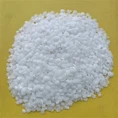
Sodium Nitrate is a chemical compound with a wide range of applications. It is commonly used in the food industry as a preservative and color fixative, especially in processed meats like bacon, ham, and hot dogs. It helps prevent the growth of bacteria, particularly Clostridium botulinum, a bacterium that can cause botulism, a potentially life - threatening illness. There are different forms of Sodium Nitrate, such as the Colorless Crystal Sodium Nitrate, White Crystalline Powder Sodium Nitrate, and Sodium Nitrate Powder.
Potential Side - Effects of Consuming Sodium Nitrate in Food
1. Formation of Nitrosamines
One of the most significant concerns regarding Sodium Nitrate consumption is its potential to form nitrosamines in the body. When Sodium Nitrate is ingested, it can be converted to nitrite in the stomach. Under certain conditions, such as the presence of amines (which are commonly found in protein - rich foods), nitrites can react with amines to form nitrosamines. Many nitrosamines are known carcinogens and have been linked to an increased risk of various types of cancer, including stomach, esophageal, and colorectal cancer.
Research has shown that high - temperature cooking, such as frying or grilling, can enhance the formation of nitrosamines in foods containing Sodium Nitrate. For example, when bacon is fried, the nitrates and nitrites present in it can react with the proteins in the meat to form nitrosamines.
2. Methemoglobinemia
Consuming too much Sodium Nitrate can also lead to methemoglobinemia, especially in infants and young children. Sodium Nitrate can be converted to nitrite in the body, and nitrite can oxidize the iron in hemoglobin from the ferrous state (Fe²⁺) to the ferric state (Fe³⁺), forming methemoglobin. Methemoglobin cannot carry oxygen effectively, which can result in a condition called methemoglobinemia or "blue baby syndrome."
Symptoms of methemoglobinemia include shortness of breath, fatigue, and a bluish tint to the skin, lips, and nails. In severe cases, it can be life - threatening. Infants are more susceptible to this condition because their digestive systems are not fully developed, and they have a higher proportion of fetal hemoglobin, which is more easily oxidized to methemoglobin.
3. Allergic Reactions
Some individuals may experience allergic reactions to Sodium Nitrate or the nitrites formed from it. Allergic reactions can range from mild symptoms such as itching, hives, and swelling to more severe reactions like difficulty breathing and anaphylaxis. However, true allergies to Sodium Nitrate are relatively rare.
4. Impact on Cardiovascular Health
There is also some evidence to suggest that Sodium Nitrate may have an impact on cardiovascular health. High intake of nitrates and nitrites may lead to the formation of reactive nitrogen species, which can cause oxidative stress and inflammation in blood vessels. This, in turn, may contribute to the development of atherosclerosis and increase the risk of heart disease and stroke.
Safety Regulations and Mitigation Strategies
To address these concerns, regulatory authorities around the world have set limits on the use of Sodium Nitrate in food. In the United States, the Food and Drug Administration (FDA) and the United States Department of Agriculture (USDA) have established strict regulations regarding the amount of Sodium Nitrate and nitrite that can be used in processed meats. For example, the maximum amount of Sodium Nitrate allowed in cured meats is typically 200 parts per million (ppm).
Food manufacturers can also take several steps to reduce the potential side - effects of Sodium Nitrate. One approach is to use natural alternatives, such as celery juice or powder, which contain natural nitrates. These natural sources of nitrates are often perceived as being "healthier," although they can still form nitrosamines under certain conditions. Another strategy is to add antioxidants, such as ascorbic acid (vitamin C) or tocopherols (vitamin E), to the food. Antioxidants can help prevent the formation of nitrosamines by reducing the oxidation of nitrites.
Our Role as a Sodium Nitrate Supplier
As a Sodium Nitrate supplier, we are committed to providing high - quality products that meet the strictest safety standards. We work closely with our customers, including food manufacturers, to ensure that they are using Sodium Nitrate in a safe and responsible manner. We provide detailed product information, including the recommended usage levels and safety precautions, and we stay up - to - date with the latest scientific research and regulatory requirements.
We also understand the importance of transparency and communication. We are happy to answer any questions that our customers may have about the safety of Sodium Nitrate and its use in food. We believe that by working together, we can ensure that Sodium Nitrate is used in a way that maximizes its benefits while minimizing its potential risks.
Conclusion
While Sodium Nitrate has important uses in the food industry, it is essential to be aware of its potential side - effects. The formation of nitrosamines, methemoglobinemia, allergic reactions, and impacts on cardiovascular health are all concerns that need to be addressed. However, with proper regulations and mitigation strategies, the risks associated with consuming food containing Sodium Nitrate can be minimized.
If you are a food manufacturer or have an interest in purchasing Sodium Nitrate for your business, we are here to assist you. We offer a variety of high - quality Sodium Nitrate products, including Colorless Crystal Sodium Nitrate, White Crystalline Powder Sodium Nitrate, and Sodium Nitrate Powder. Please feel free to contact us to discuss your specific needs and requirements. We look forward to the opportunity to work with you.
References
- World Health Organization. (2015). IARC Monographs on the Evaluation of Carcinogenic Risks to Humans: Consumption of Red and Processed Meat.
- American Academy of Pediatrics. (2017). Pediatric Nutrition Handbook.
- National Institutes of Health. (2020). Nitrates and Nitrites in Drinking Water and Health.