


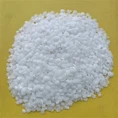


Potassium nitrite, a chemical compound with the formula KNO₂, has long been recognized for its diverse applications across various industries. As a leading supplier of potassium nitrite, I've witnessed firsthand its remarkable versatility. One area where its significance is often overlooked is in the preservation of paper products. In this blog post, we'll delve into the role that potassium nitrite plays in this crucial aspect, exploring its mechanisms, benefits, and practical applications.
Understanding the Preservation Challenges of Paper Products
Paper is a widely used material with a rich history, but it is also susceptible to various forms of deterioration. Factors such as humidity, temperature fluctuations, exposure to light, and the presence of microorganisms can all contribute to the degradation of paper over time. This degradation can manifest in a variety of ways, including discoloration, brittleness, and the growth of mold and mildew.
Preserving paper products is essential for maintaining their historical, cultural, and economic value. This is particularly important for documents, books, manuscripts, and artworks that are of significant importance. By understanding the role of potassium nitrite in paper preservation, we can take proactive steps to protect these valuable items for future generations.
Mechanisms of Potassium Nitrite in Paper Preservation
One of the primary ways that potassium nitrite contributes to the preservation of paper products is through its antimicrobial properties. Microorganisms such as bacteria, fungi, and mold can cause significant damage to paper by breaking down its cellulose fibers, leading to discoloration, weakening, and the formation of unpleasant odors. Potassium nitrite acts as a powerful antimicrobial agent, inhibiting the growth and reproduction of these harmful microorganisms.
The exact mechanism by which potassium nitrite exerts its antimicrobial effects is not fully understood, but it is believed to involve the disruption of the microbial cell membrane and the inhibition of key metabolic processes. Potassium nitrite can also react with certain enzymes and proteins in the microorganisms, rendering them inactive and preventing them from causing damage to the paper.


In addition to its antimicrobial properties, potassium nitrite also has antioxidant effects. Oxidation is a major factor in the degradation of paper, as it can cause the breakdown of cellulose fibers and the formation of yellowing and brittleness. Potassium nitrite acts as an antioxidant by scavenging free radicals, which are highly reactive molecules that can cause oxidative damage to the paper. By reducing the levels of free radicals, potassium nitrite helps to slow down the oxidation process and preserve the integrity of the paper.
Benefits of Using Potassium Nitrite in Paper Preservation
The use of potassium nitrite in paper preservation offers several significant benefits. Firstly, its antimicrobial properties help to prevent the growth of mold and mildew, which can not only damage the paper but also pose a health risk to those handling the documents. This is particularly important in environments with high humidity levels, where the risk of microbial growth is increased.
Secondly, the antioxidant effects of potassium nitrite help to maintain the color and strength of the paper over time. By reducing oxidative damage, it can prevent the paper from yellowing and becoming brittle, ensuring that it remains in good condition for longer periods. This is especially crucial for valuable historical documents and artworks, where maintaining their original appearance is of utmost importance.
Another benefit of using potassium nitrite is its relatively low cost and ease of application. It can be applied to paper products in various forms, such as solutions or sprays, making it a practical and cost-effective option for paper preservation. Additionally, potassium nitrite is a stable compound that does not react readily with other chemicals, making it compatible with a wide range of paper types and preservation methods.
Practical Applications of Potassium Nitrite in Paper Preservation
Potassium nitrite can be used in a variety of practical applications for paper preservation. One common method is to treat the paper with a potassium nitrite solution. This can be done by soaking the paper in the solution for a specified period of time, or by applying the solution to the surface of the paper using a brush or spray. The concentration of the solution and the duration of the treatment will depend on the type of paper and the severity of the preservation needs.
Another application is the use of potassium nitrite in storage environments. By adding potassium nitrite to the storage containers or enclosures, it can help to create a more favorable environment for paper preservation. This can be particularly effective in preventing the growth of mold and mildew in areas with high humidity levels.
In addition to these applications, potassium nitrite can also be used in combination with other preservation methods, such as deacidification and lamination. By using a multi-faceted approach, we can maximize the effectiveness of paper preservation and ensure the long-term protection of these valuable items.
Safety Considerations and Precautions
While potassium nitrite offers many benefits in paper preservation, it is important to handle it with care. Potassium nitrite is a toxic compound that can be harmful if ingested, inhaled, or absorbed through the skin. Therefore, it is essential to follow all safety guidelines and precautions when working with potassium nitrite.
When using potassium nitrite solutions, it is important to wear appropriate personal protective equipment, such as gloves and goggles, to prevent contact with the skin and eyes. It is also important to work in a well-ventilated area to avoid inhaling any fumes or vapors. After handling potassium nitrite, it is important to wash your hands thoroughly with soap and water.
In addition to these safety precautions, it is also important to store potassium nitrite properly. Potassium nitrite should be stored in a cool, dry place away from heat, moisture, and incompatible materials. It should also be kept out of reach of children and pets.
Conclusion and Call to Action
In conclusion, potassium nitrite plays a crucial role in the preservation of paper products. Its antimicrobial and antioxidant properties make it an effective tool for preventing the growth of mold and mildew, reducing oxidative damage, and maintaining the color and strength of the paper. By understanding the mechanisms and benefits of potassium nitrite in paper preservation, we can take proactive steps to protect these valuable items for future generations.
As a supplier of high-quality potassium nitrite, we are committed to providing our customers with the best products and services for paper preservation. If you are interested in learning more about our potassium nitrite products or have any questions about paper preservation, please do not hesitate to contact us. We would be happy to discuss your specific needs and provide you with the information and support you need to make the right decisions for your paper preservation projects.
References
- "Antimicrobial Activity of Potassium Nitrite Against Fungi and Bacteria Associated with Paper Deterioration" - Journal of Cultural Heritage Preservation
- "The Role of Antioxidants in Paper Preservation" - International Journal of Paper Science and Technology
- "Practical Applications of Potassium Nitrite in Cultural Heritage Conservation" - Proceedings of the International Conference on Paper Preservation