


Hey there! I'm a supplier of Aluminium Nitrate SDS, and today I wanna talk about the recommended storage conditions for Aluminium Nitrate.
First off, let's understand what Aluminium Nitrate is. Aluminium Nitrate is a chemical compound that's used in a bunch of different industries. You can check out more about its uses on this page Aluminium Nitrate Uses. It exists in different forms, like the Aluminium Nitrate Nonahydrate, which is a common one, and also as Aluminium Nitrate Crystal.
Now, why are proper storage conditions so crucial? Aluminium Nitrate is a reactive chemical. If it's not stored right, it can pose some risks, like reacting with other substances nearby, or even causing a fire or explosion in extreme cases. So, getting the storage conditions spot - on is super important for safety and to keep the quality of the product intact.
Temperature
The temperature at which you store Aluminium Nitrate is a big deal. You should keep it in a cool place. Generally, a storage temperature below 30°C (86°F) is recommended. High temperatures can speed up chemical reactions and may cause Aluminium Nitrate to decompose. When it decomposes, it can release nitrogen oxides, which are not only harmful to the environment but can also be dangerous to human health if inhaled.
If you're storing it in a warehouse, make sure there's proper ventilation to keep the temperature stable. You might also want to use temperature - monitoring devices to keep an eye on things. If the temperature starts to rise above the recommended level, you need to take action right away, like moving the product to a cooler area or using cooling systems.
Humidity
Humidity is another factor to consider. Aluminium Nitrate is hygroscopic, which means it can absorb moisture from the air. When it absorbs too much moisture, it can form a solution or even start to clump together. This can change its chemical properties and make it less effective for its intended uses.
To avoid this, store Aluminium Nitrate in a dry environment. The relative humidity should be kept below 60%. You can use dehumidifiers in the storage area to control the humidity. Also, make sure the storage containers are tightly sealed. If the containers are not sealed properly, moisture can easily get in and cause problems.
Container
The type of container you use for storing Aluminium Nitrate matters a lot. It should be made of a material that's resistant to corrosion. Glass or plastic containers are often good choices. Metal containers can react with Aluminium Nitrate, especially if they're made of certain metals like iron or steel.
The containers should also be strong enough to prevent any leaks. They should have proper lids or closures to keep the product inside and to keep out moisture and other contaminants. Label the containers clearly with the name of the product, its concentration, and any hazard warnings.
Storage Location
Where you store Aluminium Nitrate is just as important as how you store it. Keep it away from sources of heat, such as direct sunlight, heaters, or electrical equipment that generates heat. Sunlight can increase the temperature of the storage area and cause the Aluminium Nitrate to decompose.
It should also be stored away from flammable and combustible materials. Aluminium Nitrate is an oxidizer, which means it can support combustion. If it comes into contact with flammable substances, it can cause a fire. So, keep it in a separate storage area or at a safe distance from these materials.
In addition, store Aluminium Nitrate away from acids and alkalis. It can react with these substances, leading to chemical reactions that can be dangerous. Make sure the storage area is well - organized, so you can easily access the product when needed and also keep track of its quantity and expiration date.
Compatibility with Other Substances
As I mentioned before, Aluminium Nitrate can react with many other substances. When storing it, you need to consider its compatibility with other chemicals in the same area. For example, don't store it with reducing agents. Reducing agents can react violently with Aluminium Nitrate, leading to explosions or fires.
Some common reducing agents include metals like zinc, iron, and magnesium, as well as organic compounds like alcohols and ethers. If you have to store multiple chemicals in the same area, make sure to separate them using appropriate barriers or storage cabinets.
Handling During Storage
When you're moving Aluminium Nitrate around in the storage area, be very careful. Don't drop or shake the containers too much. Rough handling can cause the product to spill or break the container, which can lead to safety hazards.
Use proper handling equipment, like pallet jacks or forklifts, to move large containers. And always wear appropriate personal protective equipment (PPE), such as gloves, goggles, and a lab coat. This will protect you from any potential contact with the chemical.
Safety Precautions
There are some general safety precautions you should follow in the storage area. Keep fire - fighting equipment nearby, like fire extinguishers that are suitable for chemical fires. Make sure there are clear evacuation routes in case of an emergency.

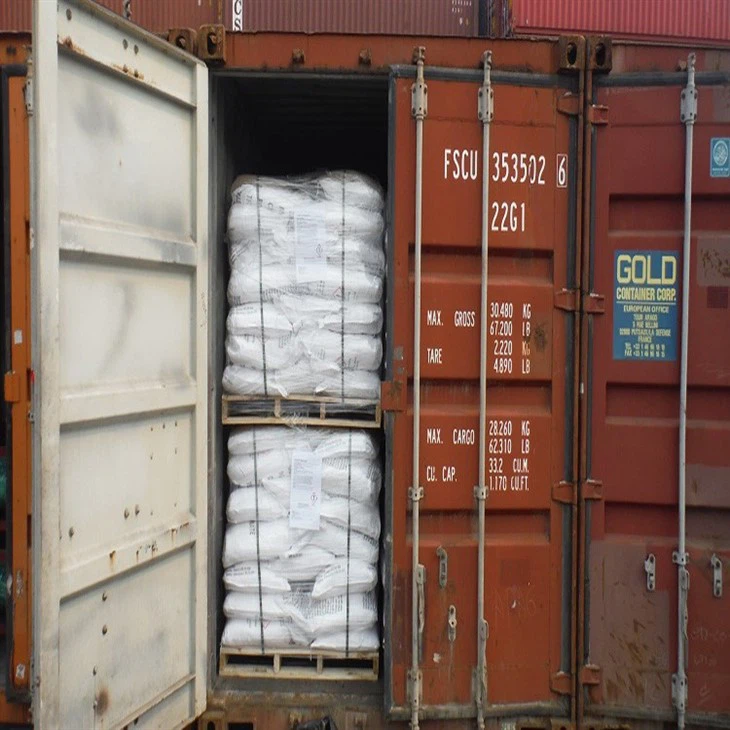
Regularly inspect the storage area and the containers for any signs of damage or leakage. If you find any problems, address them immediately. Train your employees on the proper storage and handling procedures for Aluminium Nitrate. This will help prevent accidents and ensure the safety of everyone involved.
Regulatory Compliance
It's also important to comply with all relevant regulations when storing Aluminium Nitrate. Different countries and regions may have specific laws and regulations regarding the storage of hazardous chemicals. Make sure you're aware of these regulations and follow them to the letter.
For example, some regulations may require you to have a special permit to store Aluminium Nitrate, or they may specify certain safety features that your storage area must have. Non - compliance can result in hefty fines and legal issues, so it's not something to take lightly.
In conclusion, storing Aluminium Nitrate correctly is a multi - faceted task. You need to pay attention to temperature, humidity, container type, storage location, and compatibility with other substances. By following these recommended storage conditions, you can ensure the safety of your workplace, protect the environment, and maintain the quality of the Aluminium Nitrate.
If you're in the market for Aluminium Nitrate and need high - quality SDS, we're here to help. We've got the expertise and the products to meet your needs. Whether you're a small business or a large industrial operation, we can provide you with the right solutions. Contact us to start a purchase negotiation and let's work together to get you the best Aluminium Nitrate products.
References
- "Handbook of Chemical Hazards and Safety".
- "Safety Guidelines for Storage of Inorganic Chemicals".