


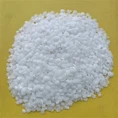


As a trusted supplier of Nitrate Of Magnesium, I've witnessed firsthand the transformative power of this fertilizer in various agricultural and horticultural settings. One of the most common questions I receive is about the types of soil that are most suitable for using Nitrate Of Magnesium. In this blog post, I'll delve into the science behind this fertilizer and explore the soil types where it can truly shine.
Understanding Nitrate Of Magnesium
Before we discuss the suitable soil types, let's briefly understand what Nitrate Of Magnesium is and why it's so beneficial. Nitrate Of Magnesium is a water - soluble fertilizer that provides two essential nutrients to plants: nitrogen and magnesium. Nitrogen is a key component of chlorophyll, the pigment that gives plants their green color and is crucial for photosynthesis. It also plays a vital role in the formation of proteins, enzymes, and nucleic acids. Magnesium, on the other hand, is the central atom in the chlorophyll molecule and is involved in many enzymatic reactions within the plant.
This dual - nutrient combination makes Nitrate Of Magnesium an excellent choice for promoting healthy plant growth, improving crop yield, and enhancing the quality of produce. You can learn more about the product on our website: Magnesium Nitrate Fertilizer and Magnesium II Nitrate.
Suitable Soil Types
1. Sandy Soils
Sandy soils are characterized by large particles, which means they have good drainage but poor water - and nutrient - holding capacity. The large pore spaces in sandy soils allow water and nutrients to pass through quickly, often leading to leaching. Nitrate Of Magnesium is well - suited for sandy soils because its water - soluble nature allows it to be easily absorbed by plant roots before it leaches away.


The nitrogen in Nitrate Of Magnesium is in the nitrate form, which is readily available for plant uptake. This is particularly important in sandy soils, where other forms of nitrogen may be lost through leaching. The magnesium in the fertilizer helps to improve the overall health of plants growing in sandy soils, as these soils are often deficient in this essential nutrient. The magnesium aids in the activation of enzymes involved in photosynthesis and other metabolic processes, which can help plants better withstand the stress of growing in a nutrient - poor environment.
2. Loamy Soils
Loamy soils are considered the ideal soil type for most plants because they have a balanced mixture of sand, silt, and clay particles. They offer good drainage, water - holding capacity, and nutrient - retention. Nitrate Of Magnesium can work wonders in loamy soils by providing a readily available source of nitrogen and magnesium.
In loamy soils, the nitrogen from Nitrate Of Magnesium can be quickly absorbed by plant roots, promoting rapid growth and development. The magnesium helps to optimize the efficiency of photosynthesis, leading to better - quality foliage and higher yields. The balanced nature of loamy soils also allows the fertilizer to be evenly distributed, ensuring that all plants in the area receive an adequate supply of nutrients.
3. Acidic Soils
Acidic soils (with a pH below 7) can present challenges for plant growth, as they often have low levels of available nutrients, particularly magnesium. Many essential nutrients become less available to plants as the soil pH decreases. Nitrate Of Magnesium can be a valuable addition to acidic soils.
The nitrate form of nitrogen in the fertilizer is not affected by soil pH and remains readily available for plant uptake even in acidic conditions. The magnesium in Nitrate Of Magnesium can help to counteract the negative effects of acidic soils. Magnesium can help to raise the soil pH slightly, making it more neutral and improving the availability of other nutrients. Additionally, plants growing in acidic soils often require more magnesium to maintain normal physiological functions. By providing a source of magnesium, Nitrate Of Magnesium can help to improve the overall health and productivity of plants in acidic soils.
4. Soils with Low Organic Matter
Soils with low organic matter content often lack the necessary nutrients and biological activity to support healthy plant growth. Nitrate Of Magnesium can be used to supplement the nutrient needs of plants in these soils.
The nitrogen in the fertilizer provides an immediate boost to plant growth, while the magnesium helps to enhance the plant's ability to utilize other nutrients. In soils with low organic matter, the addition of Nitrate Of Magnesium can help to stimulate microbial activity, as the nutrients can support the growth of beneficial soil microorganisms. These microorganisms play a crucial role in breaking down organic matter and releasing nutrients for plant uptake, gradually improving the soil's fertility over time.
Benefits of Using Nitrate Of Magnesium in Different Soils
In all of these soil types, Nitrate Of Magnesium offers several benefits. It promotes early and vigorous growth, resulting in earlier maturity and higher yields. The fertilizer helps to improve the quality of produce, making fruits and vegetables more flavorful, nutritious, and visually appealing. It also enhances the plant's resistance to diseases and pests, as healthy plants are better able to defend themselves against attacks.
You can find more information about the uses of Nitrate Of Magnesium in agriculture on our website: Magnesium Nitrate Uses in Agriculture.
Considerations When Using Nitrate Of Magnesium
While Nitrate Of Magnesium is a versatile and effective fertilizer, there are some considerations to keep in mind when using it.
- Application Rate: The application rate of Nitrate Of Magnesium depends on the soil type, crop type, and the specific nutrient requirements of the plants. It's important to conduct a soil test before applying the fertilizer to determine the exact amount needed.
- Timing of Application: The timing of application is also crucial. For most crops, it's best to apply Nitrate Of Magnesium during the active growth period to ensure that the plants can make the most of the available nutrients.
- Compatibility with Other Fertilizers: Nitrate Of Magnesium can be used in combination with other fertilizers, but it's important to ensure that they are compatible. Some fertilizers may react with Nitrate Of Magnesium, reducing its effectiveness or causing other problems.
Conclusion
Nitrate Of Magnesium is a highly effective fertilizer that can be used in a variety of soil types, including sandy, loamy, acidic, and soils with low organic matter. Its unique combination of nitrogen and magnesium provides numerous benefits for plant growth, including improved yield, better - quality produce, and enhanced plant health.
If you're interested in learning more about how Nitrate Of Magnesium can benefit your specific soil type and crops, or if you're ready to start using this high - quality fertilizer in your agricultural or horticultural operations, we're here to help. Feel free to reach out to us to discuss your needs and explore the best solutions for your situation. We're committed to providing our customers with the highest - quality products and expert advice to ensure the success of their farming endeavors.
References
- Brady, N. C., & Weil, R. R. (2002). The Nature and Properties of Soils. Prentice Hall.
- Marschner, H. (2012). Mineral Nutrition of Higher Plants. Academic Press.
- Mengel, K., & Kirkby, E. A. (2001). Principles of Plant Nutrition. Kluwer Academic Publishers.