


Hey there! As a supplier of Potassium Bicarbonate, I've been getting a lot of questions lately about how this nifty compound changes under different pressures. So, I thought I'd sit down and write this blog to share what I've learned and experienced in my time dealing with it.
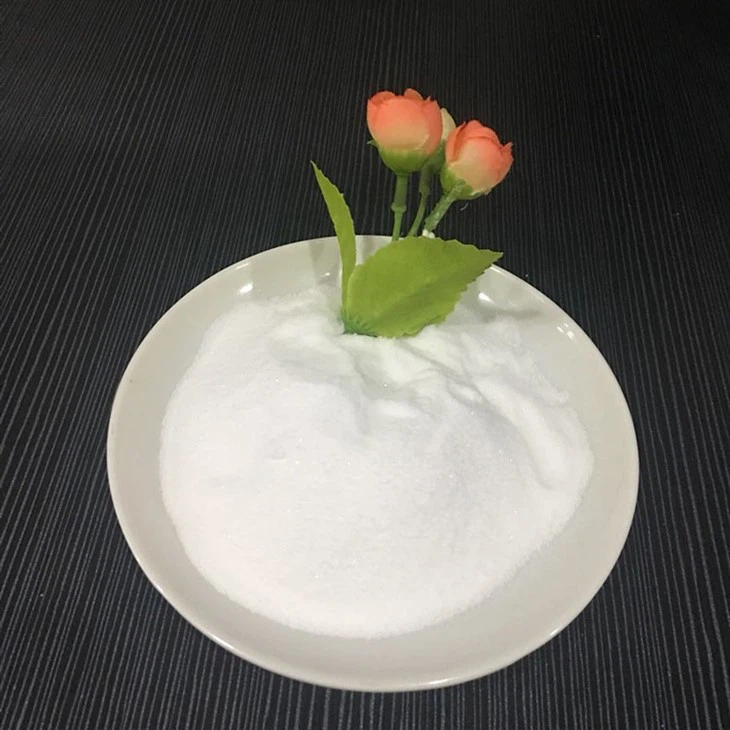
First off, let's talk a bit about Potassium Bicarbonate itself. You might also know it as Kalium Bicarbonate or Bicarbonate Of Potash. It's a white, crystalline powder that's commonly used in a bunch of different industries. In the food industry, it's often used as a leavening agent, kind of like baking soda. It helps dough rise and gives that nice, fluffy texture to our favorite baked goods. In the medical field, it can be used as an antacid to relieve heartburn and indigestion. And in the agricultural world, it plays a role in soil pH adjustment and as a source of potassium for plants.
Now, let's dive into how pressure affects Potassium Bicarbonate. At normal atmospheric pressure, which is around 1 atmosphere (atm), Potassium Bicarbonate exists in a stable solid form. It's pretty well - behaved and does its job in all those applications I just mentioned. But when we start to mess with the pressure, things get a bit more interesting.
When we increase the pressure, say to a few atmospheres, the physical properties of Potassium Bicarbonate start to change. One of the first things we notice is a change in its density. As the pressure goes up, the molecules of Potassium Bicarbonate are pushed closer together. This results in an increase in density. Think of it like squeezing a sponge. When you squeeze it, it gets smaller and denser. The same principle applies here. The increased density can have implications for its handling and storage. For example, a more dense form of Potassium Bicarbonate might take up less space in a container, which could be a plus for transportation and storage costs.
Another change that occurs with increased pressure is in its solubility. Under higher pressures, the solubility of Potassium Bicarbonate in water generally increases. This is because the higher pressure forces more of the Potassium Bicarbonate molecules to dissolve in the water. In industrial processes where Potassium Bicarbonate needs to be dissolved in water, such as in the production of certain cleaning agents or in some chemical reactions, a higher solubility at increased pressure can speed up the process. It means that we can get a more concentrated solution more quickly, which can save time and resources.
But what about when the pressure is decreased? When we lower the pressure, say to below atmospheric pressure, like in a vacuum environment, things start to go in the opposite direction. The density of Potassium Bicarbonate decreases as the molecules have more space to spread out. And its solubility in water also decreases. In a vacuum, the water molecules have a tendency to escape more easily, and the Potassium Bicarbonate molecules are less likely to dissolve. This can be a problem in some applications where a dissolved form of Potassium Bicarbonate is required.
One really important aspect to consider is the effect of pressure on the chemical stability of Potassium Bicarbonate. At high pressures, the increased interaction between the molecules can potentially lead to chemical reactions. Potassium Bicarbonate can decompose under certain high - pressure and high - temperature conditions. It breaks down into Potassium Carbonate, water, and carbon dioxide. This decomposition reaction is an important one to keep an eye on, especially in industrial processes where maintaining the integrity of Potassium Bicarbonate is crucial.
In the food industry, for example, if Potassium Bicarbonate decomposes during processing due to high pressure and temperature, it can affect the quality of the final product. The loss of carbon dioxide, which is what makes baked goods rise, can result in a denser and less appealing product. In the agricultural sector, if the Potassium Bicarbonate decomposes in the soil, it might not provide the intended benefits to the plants.
On the other hand, in some cases, we can use the pressure - induced decomposition to our advantage. For example, in chemical synthesis, we can control the pressure and temperature to selectively decompose Potassium Bicarbonate and use the resulting products in further reactions.
Now, let's talk about how these pressure - related changes impact us as a Potassium Bicarbonate supplier. We need to be aware of these changes so that we can provide the best possible product to our customers. When shipping Potassium Bicarbonate, we need to consider the pressure conditions during transportation. If it's going to be exposed to high - pressure environments, like in a deep - sea container ship where the pressure can increase with depth, we need to ensure that the packaging can withstand these conditions and that the product remains stable.
For customers who are using Potassium Bicarbonate in high - pressure processes, we can offer them advice on how to handle and store the product. We can help them understand the changes in solubility and density so that they can optimize their processes. And for those using it in low - pressure or vacuum environments, we can work with them to find solutions to deal with the decreased solubility and stability issues.
If you're in the market for Potassium Bicarbonate, whether you're in the food, medical, agricultural, or any other industry that uses this versatile compound, I encourage you to get in touch with us. We've got a great deal of experience dealing with Potassium Bicarbonate and understanding how it behaves under different conditions. We can provide you with high - quality Potassium Bicarbonate that meets your specific needs. Whether you need it for a high - pressure process or a low - pressure application, we're here to help. Just reach out to us, and we can start a conversation about your requirements and how we can work together to make your projects a success.

In conclusion, pressure has a significant impact on the physical and chemical properties of Potassium Bicarbonate. From changes in density and solubility to effects on chemical stability, understanding these changes is crucial for anyone working with this compound. As a supplier, we're committed to providing the best products and support to our customers, taking into account all these pressure - related factors. So, don't hesitate to contact us if you have any questions or if you're ready to start a partnership.
References:
- General Chemistry textbooks on chemical properties and pressure effects
- Industry reports on the applications of Potassium Bicarbonate
- Research papers on the physical and chemical changes of inorganic salts under different pressures