




Hey there! As a supplier of Aluminium Nitrate SDS, I've got a lot to share about the hazards associated with this chemical. Aluminium nitrate is a common inorganic compound, and while it has various uses, it's crucial to understand the potential risks it poses.
Physical and Chemical Hazards
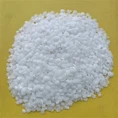
First off, let's talk about the physical and chemical properties that can lead to hazards. Aluminium nitrate is usually found as a white crystalline solid. It's highly soluble in water, and when it dissolves, it can release heat. This exothermic reaction might not seem like a big deal, but in large quantities or in the wrong conditions, it can cause problems.
One of the major concerns is its oxidizing nature. Aluminium nitrate is a strong oxidizer. That means it can react vigorously with combustible materials. If it comes into contact with things like organic substances, such as oils, greases, or even some plastics, there's a risk of fire or explosion. This is a serious safety issue, especially in industrial settings where large amounts of aluminium nitrate might be stored or used.
Health Hazards
Now, let's get into the health hazards. When it comes to human exposure, aluminium nitrate can be pretty dangerous. Inhalation of its dust or fumes is a big no - no. Breathing in aluminium nitrate particles can irritate the respiratory tract. It can cause coughing, shortness of breath, and in severe cases, it might even lead to chemical pneumonitis, which is an inflammation of the lungs.
Skin contact is another concern. Aluminium nitrate can cause skin irritation. It might lead to redness, itching, and in some cases, even chemical burns. If you have sensitive skin, the reaction could be even more severe. And if it gets into your eyes, it can cause serious eye damage. It can lead to corneal burns, which can result in permanent vision loss if not treated immediately.
Ingestion of aluminium nitrate is extremely dangerous. It can cause severe gastrointestinal irritation, including nausea, vomiting, and abdominal pain. In high doses, it can be toxic to the body's internal organs, such as the liver and kidneys.
Environmental Hazards
Aluminium nitrate also has an impact on the environment. When it's released into water bodies, it can have a negative effect on aquatic life. The high nitrate content can lead to eutrophication, which is an excessive growth of algae. This can deplete the oxygen in the water, leading to the death of fish and other aquatic organisms.
In soil, aluminium nitrate can change the soil chemistry. It can increase the acidity of the soil, which can be harmful to plants. Some plants are very sensitive to changes in soil pH, and an increase in acidity can affect their growth and development.
Handling and Storage Precautions
Given these hazards, it's essential to take proper handling and storage precautions. When handling aluminium nitrate, you should always wear appropriate personal protective equipment (PPE). This includes gloves, goggles, and a respirator if there's a risk of inhalation.
For storage, it should be kept in a cool, dry place away from combustible materials. It should be stored in a tightly sealed container to prevent leakage. And it's important to keep it separate from other chemicals that it might react with.
Safety Data Sheet (SDS)
That's where our Aluminium Nitrate SDS comes in. The Aluminium Nitrate SDS provides detailed information about the chemical, including its hazards, handling procedures, and emergency response measures. It's a crucial document for anyone who is dealing with aluminium nitrate, whether it's in a laboratory, an industrial setting, or any other environment.
Uses and Benefits
Despite its hazards, aluminium nitrate has some important uses. You can learn more about them on our Aluminium Nitrate Uses page. It's used in the production of other aluminium compounds, in the manufacturing of catalysts, and in some cases, in the water treatment industry.
If you're looking for high - quality Aluminium Nitrate Crystal, we've got you covered. We're committed to providing safe and reliable products, along with the necessary safety information through our SDS.


Conclusion
In conclusion, while aluminium nitrate has its uses, it's important to be aware of the hazards associated with it. Whether you're a scientist, an industrial worker, or just someone interested in chemicals, understanding these risks is crucial for your safety and the safety of the environment.
If you're in the market for aluminium nitrate or need more information about our Aluminium Nitrate SDS, don't hesitate to reach out. We're here to help you make informed decisions and ensure that you're using this chemical safely.
References
- "Handbook of Inorganic Chemicals" by Pradyot Patnaik
- "Dangerous Properties of Industrial Materials" by Norman Irving Sax