


As a trusted supplier of Aluminium Nitrate Safety Data Sheets (SDS), I understand the critical importance of providing accurate and detailed information about the product. One of the key aspects that often comes under scrutiny is the moisture content requirements for Aluminium Nitrate. In this blog post, I will delve into the significance of moisture content, the specific requirements, and how they impact the quality and safety of Aluminium Nitrate.
The Significance of Moisture Content in Aluminium Nitrate
Moisture content plays a pivotal role in the physical and chemical properties of Aluminium Nitrate. Aluminium Nitrate, in its various forms such as Aluminium Nitrate Crystal and Aluminium Nitrate Nonahydrate, is hygroscopic, meaning it has a tendency to absorb moisture from the surrounding environment. This absorption can lead to changes in the product's stability, solubility, and reactivity.
For instance, excessive moisture can cause Aluminium Nitrate to form clumps or cakes, which can affect its handling and dosing in industrial processes. Moreover, the presence of moisture can also accelerate the decomposition of Aluminium Nitrate, releasing nitrogen oxides and other potentially hazardous gases. Therefore, controlling the moisture content is essential to ensure the product's quality, safety, and performance.
Moisture Content Requirements in SDS
The moisture content requirements for Aluminium Nitrate are typically specified in the Safety Data Sheet (SDS). These requirements are based on industry standards and regulations, as well as the specific needs of the end-users. The SDS provides detailed information about the acceptable moisture range, which is usually expressed as a percentage by weight.
In general, the moisture content of Aluminium Nitrate should be kept as low as possible to maintain its stability and reactivity. For most applications, the maximum allowable moisture content is around 0.5% to 1.0%. However, for certain high-purity applications, such as in the electronics or pharmaceutical industries, the moisture content may need to be even lower, typically less than 0.1%.
It is important to note that the moisture content requirements may vary depending on the form of Aluminium Nitrate. For example, Aluminium Nitrate Nonahydrate, which contains nine molecules of water of crystallization, has a higher inherent moisture content compared to the anhydrous form. Therefore, the moisture content requirements for Aluminium Nitrate Nonahydrate may be different from those for the anhydrous form.
Factors Affecting Moisture Content
Several factors can affect the moisture content of Aluminium Nitrate, including storage conditions, packaging, and handling practices. Improper storage in a humid environment can lead to moisture absorption, while inadequate packaging can allow moisture to enter the product. Similarly, improper handling, such as exposure to air or water during transportation or processing, can also increase the moisture content.
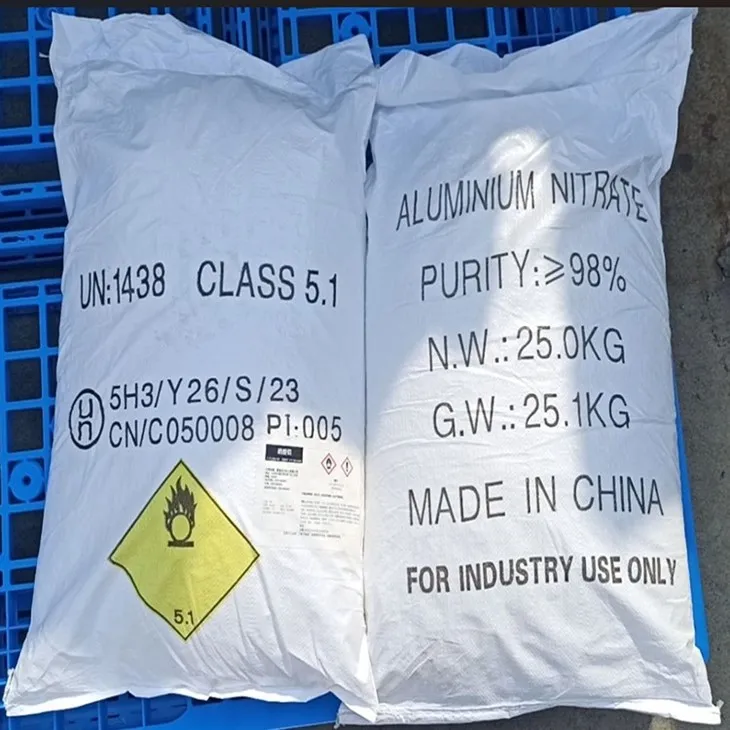
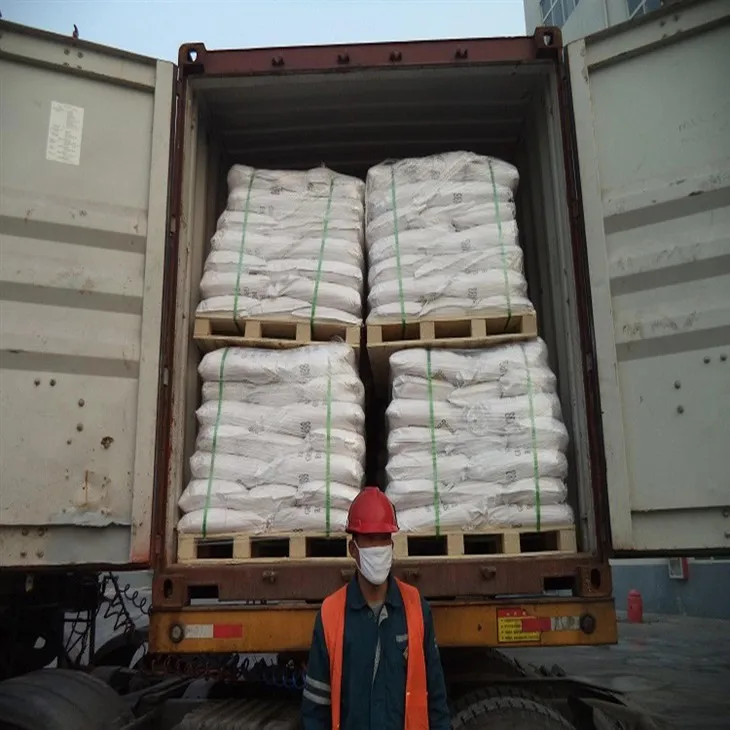
To minimize the risk of moisture absorption, Aluminium Nitrate should be stored in a cool, dry place, away from sources of heat and moisture. The product should be packaged in airtight containers to prevent moisture from entering. Additionally, proper handling practices, such as using dry equipment and avoiding exposure to air and water, should be followed to maintain the product's low moisture content.
Testing and Monitoring Moisture Content
To ensure that the moisture content of Aluminium Nitrate meets the requirements specified in the SDS, regular testing and monitoring are essential. There are several methods available for measuring the moisture content of Aluminium Nitrate, including Karl Fischer titration, loss on drying, and infrared moisture analysis.
Karl Fischer titration is a widely used method for measuring the moisture content of inorganic compounds, including Aluminium Nitrate. This method is based on the reaction between water and iodine in the presence of a Karl Fischer reagent, which allows for the accurate determination of the moisture content. Loss on drying is another common method, which involves heating a sample of Aluminium Nitrate to a specific temperature and measuring the weight loss due to the evaporation of water. Infrared moisture analysis is a non-destructive method that uses infrared radiation to measure the moisture content based on the absorption of infrared light by water molecules.
By regularly testing and monitoring the moisture content, suppliers can ensure that their Aluminium Nitrate products meet the quality and safety standards specified in the SDS. This not only helps to maintain customer satisfaction but also ensures compliance with industry regulations.
Impact of Moisture Content on Applications
The moisture content of Aluminium Nitrate can have a significant impact on its performance in various applications. In the fertilizer industry, for example, Aluminium Nitrate is used as a source of nitrogen and aluminium in fertilizers. Excessive moisture can affect the solubility and availability of these nutrients, reducing the effectiveness of the fertilizer.
In the water treatment industry, Aluminium Nitrate is used as a coagulant to remove impurities from water. The presence of moisture can affect the coagulation process, leading to reduced efficiency and increased chemical consumption. Similarly, in the pyrotechnics industry, Aluminium Nitrate is used as an oxidizer in fireworks and explosives. Excessive moisture can affect the ignition and combustion properties of the pyrotechnic compositions, leading to inconsistent performance and potential safety hazards.
Therefore, it is crucial for end-users to ensure that the moisture content of Aluminium Nitrate meets the requirements of their specific applications. By working closely with a reliable SDS supplier, end-users can obtain accurate information about the moisture content and other quality parameters of Aluminium Nitrate, and ensure that the product is suitable for their intended use.
Conclusion
In conclusion, the moisture content requirements for Aluminium Nitrate are an important aspect of its quality and safety. As a supplier of Aluminium Nitrate SDS, I am committed to providing accurate and detailed information about the moisture content requirements to ensure the product's quality, safety, and performance. By controlling the moisture content through proper storage, packaging, and handling practices, and by regularly testing and monitoring the moisture content, suppliers and end-users can ensure that Aluminium Nitrate meets the standards and regulations specified in the SDS.
If you are interested in purchasing Aluminium Nitrate or have any questions about its moisture content requirements, please feel free to contact me for further information and assistance. I look forward to discussing your specific needs and providing you with the highest quality products and services.
References
- International Chemical Safety Card (ICSC) for Aluminium Nitrate
- National Fire Protection Association (NFPA) 704 Hazard Identification System
- Occupational Safety and Health Administration (OSHA) Hazard Communication Standard