


What are the recommended amounts of Kalium Bicarbonate in animal feed?
As a supplier of Kalium Bicarbonate, also known as Potassium Bicarbonate, I am often asked about the appropriate amounts to include in animal feed. Potassium Bicarbonate is a versatile compound with numerous benefits for animal health, and understanding the right dosage is crucial for ensuring optimal outcomes.
The Role of Potassium Bicarbonate in Animal Nutrition
Potassium is an essential mineral for animals, playing a vital role in various physiological processes. It is involved in maintaining proper fluid balance, nerve impulse transmission, muscle contraction, and enzyme activation. Bicarbonate, on the other hand, helps to regulate the acid - base balance in the animal's body.
In animal feed, Potassium Bicarbonate can serve multiple purposes. For ruminants, such as cattle and sheep, it can act as a buffer in the rumen, helping to maintain a stable pH. This is important because a stable rumen pH is necessary for the efficient breakdown of feed and the growth of beneficial rumen microbes. In monogastric animals, like pigs and poultry, it can help to counteract the effects of heat stress and improve overall performance.
Recommended Amounts for Different Animal Species
Cattle
In dairy cattle, the recommended amount of Potassium Bicarbonate can vary depending on factors such as diet composition, milk production level, and environmental conditions. Generally, a common recommendation is to include 0.5% - 1% of Potassium Bicarbonate in the total diet dry matter. For high - producing dairy cows, especially those on diets high in concentrates, the upper end of this range may be more appropriate. This helps to buffer the rumen and prevent acidosis, a condition that can lead to reduced feed intake, lower milk production, and other health problems.
In beef cattle, similar principles apply. During the finishing phase, when cattle are on high - grain diets, adding 0.3% - 0.7% of Potassium Bicarbonate to the diet can help to maintain rumen health and improve feed efficiency. It can also be beneficial during periods of heat stress, as it helps to improve the animal's ability to regulate its body temperature.
Sheep
Sheep have similar rumen physiology to cattle, and the recommended levels of Potassium Bicarbonate in their feed are also comparable. For sheep on high - concentrate diets, adding 0.5% - 0.8% of Potassium Bicarbonate can help to maintain rumen pH and prevent digestive disorders. This is particularly important in feedlot situations where the diet may be more likely to cause rumen acidosis.
Pigs
In pig diets, Potassium Bicarbonate can be used to improve performance, especially under heat stress conditions. The recommended amount is typically around 0.2% - 0.5% of the total diet. At these levels, it can help to maintain electrolyte balance and reduce the negative effects of heat stress on feed intake and growth rate. Additionally, it can have a positive impact on meat quality by influencing muscle pH post - slaughter.
Poultry
For poultry, such as chickens and turkeys, Potassium Bicarbonate can be included at levels of 0.1% - 0.3% of the diet. It can help to improve the birds' ability to cope with heat stress and can also have a beneficial effect on eggshell quality in laying hens. By maintaining proper acid - base balance in the blood, it can enhance the deposition of calcium in the eggshell, resulting in stronger and more uniform eggs.
Factors Affecting the Recommended Amounts
Several factors can influence the optimal amount of Potassium Bicarbonate to include in animal feed.
Diet Composition
The type of feed ingredients used in the diet can have a significant impact on the need for Potassium Bicarbonate. For example, diets high in grains and low in forages tend to be more acidic and may require higher levels of buffering agents. In contrast, diets rich in high - quality forages may have a more neutral pH and may need less Potassium Bicarbonate.
Environmental Conditions
Heat stress is a major factor that can increase the demand for Potassium Bicarbonate in animal diets. In hot weather, animals lose more potassium through sweating and increased respiration. Supplementing with Potassium Bicarbonate can help to replace these losses and maintain electrolyte balance. Additionally, high humidity can exacerbate the effects of heat stress, making it even more important to ensure adequate potassium intake.
Animal Age and Production Stage
Young animals and those in high - production stages, such as lactating cows and laying hens, generally have higher nutrient requirements. This may also translate to a greater need for Potassium Bicarbonate to support their physiological functions. For example, young pigs are more sensitive to heat stress and may benefit from higher levels of potassium supplementation during the growing phase.
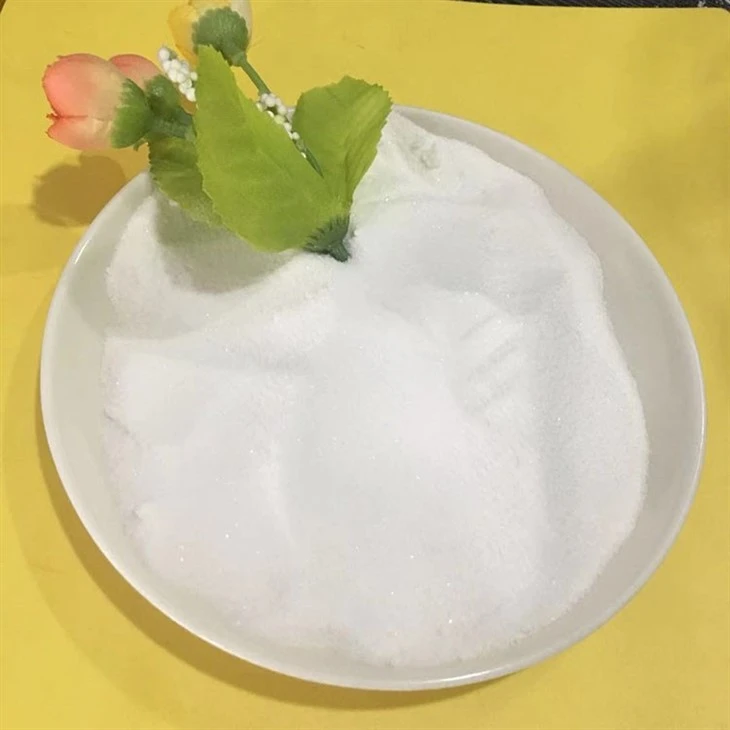

Our High - Quality Potassium Bicarbonate Products
As a reliable supplier, we offer a range of Potassium Bicarbonate products to meet the diverse needs of the animal feed industry. Our Potassium Bicarbonate is of the highest quality, produced using advanced manufacturing processes to ensure purity and consistency.
We also provide Potassium Bicarbonate Food Grade, which is suitable for use in animal feed that is intended for human - consumed animals. This product meets strict safety and quality standards, ensuring the health and well - being of both animals and consumers.
Another option is our Bicarbonate Of Potash, which is another name for Potassium Bicarbonate. It offers the same benefits and can be tailored to specific feed formulations.
Contact Us for Procurement
If you are involved in the animal feed industry and are interested in our Potassium Bicarbonate products, we encourage you to contact us to discuss your specific requirements. Our team of experts is ready to provide you with detailed information on product specifications, pricing, and delivery options. Whether you are a large - scale feed manufacturer or a small - scale farmer, we can work with you to find the most suitable solution for your animal nutrition needs.
References
- National Research Council (NRC). Nutrient Requirements of Dairy Cattle. 7th Revised Edition.
- National Research Council (NRC). Nutrient Requirements of Beef Cattle. 8th Revised Edition.
- National Research Council (NRC). Nutrient Requirements of Swine. 11th Revised Edition.
- National Research Council (NRC). Nutrient Requirements of Poultry. 9th Revised Edition.