




Storage and Handling Requirements for Kalium Bicarbonate - based Adhesives
As a trusted supplier of Kalium Bicarbonate, also known as Potassium Bicarbonate, I understand the importance of proper storage and handling, especially when it comes to products like Kalium Bicarbonate - based adhesives. These adhesives are widely used in various industries, and ensuring their quality and safety from production to end - use is crucial.
Chemical Properties of Kalium Bicarbonate
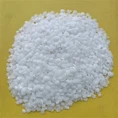
Kalium Bicarbonate (Potassium Bicarbonate, KHCO₃) is a white, crystalline powder that is odorless and has a slightly alkaline taste. It is soluble in water and decomposes when heated, releasing carbon dioxide. This chemical property is significant in the context of adhesives as it can affect the adhesive's setting time, bonding strength, and overall performance.
In the formulation of Kalium Bicarbonate - based adhesives, this compound often acts as a buffering agent, pH regulator, or a component that contributes to the adhesive's physical and chemical properties. For example, it can react with other components in the adhesive mixture to form a stable matrix that provides good adhesion to different substrates.
Storage Requirements
Temperature
One of the most critical factors in storing Kalium Bicarbonate - based adhesives is temperature. These adhesives should be stored in a cool environment, preferably at temperatures between 10°C and 30°C. High temperatures can cause the decomposition of Kalium Bicarbonate, leading to the release of carbon dioxide. This not only changes the chemical composition of the adhesive but also can cause swelling or foaming in the adhesive container, which may compromise its quality. On the other hand, extremely low temperatures can cause the adhesive to freeze, which can disrupt the internal structure of the adhesive and reduce its bonding strength.
Humidity
Humidity also plays a vital role in the storage of these adhesives. Excessive humidity can lead to the absorption of moisture by the Kalium Bicarbonate and other components in the adhesive. This can cause clumping, which may affect the adhesive's flowability and mixing properties. It is recommended to store the adhesives in a dry place with a relative humidity of less than 60%. Moisture - resistant packaging can also be used to protect the adhesives from humidity. For example, storing the adhesives in sealed containers made of materials like high - density polyethylene can help prevent moisture ingress.
Light
Exposure to light, especially ultraviolet (UV) light, can have a negative impact on Kalium Bicarbonate - based adhesives. UV light can cause the degradation of some organic components in the adhesive, leading to a decrease in bonding strength and an increase in brittleness. Therefore, the adhesives should be stored in opaque containers or in a dark place to minimize light exposure.
Container
The choice of container for storing Kalium Bicarbonate - based adhesives is also important. The container should be made of a material that is chemically inert to the adhesive. For example, glass or certain types of plastics can be suitable. The container should also be tightly sealed to prevent the entry of air, moisture, and contaminants. It is important to label the container clearly with information such as the adhesive's name, batch number, expiration date, and storage instructions.
Handling Requirements
Personal Protective Equipment (PPE)
When handling Kalium Bicarbonate - based adhesives, appropriate personal protective equipment should be worn. This includes safety glasses to protect the eyes from splashes, gloves to prevent skin contact, and a respirator if there is a risk of inhaling adhesive fumes. Although Kalium Bicarbonate is generally considered safe, some of the other components in the adhesive may be hazardous. For example, some solvents used in the adhesive formulation can cause skin irritation or respiratory problems.
Mixing
Proper mixing is essential for the performance of Kalium Bicarbonate - based adhesives. Before use, the adhesive should be thoroughly mixed to ensure a homogeneous distribution of all components. This can be done using a mechanical mixer or by shaking the container vigorously. It is important to follow the manufacturer's instructions regarding the mixing time and speed. Over - mixing or under - mixing can affect the adhesive's bonding strength and setting time.


Application
During the application of the adhesive, it is important to work in a well - ventilated area. This helps to disperse any fumes that may be released during the application process. The adhesive should be applied evenly to the substrate using the appropriate applicator, such as a brush, roller, or spray gun. The amount of adhesive applied should be consistent with the requirements of the specific application. Too much adhesive can lead to excessive seepage or a longer drying time, while too little adhesive may result in poor adhesion.
Cleaning
After using the adhesive, all equipment and tools should be cleaned immediately. This helps to prevent the adhesive from hardening on the equipment, which can make it difficult to clean later. Cleaning agents that are compatible with the adhesive should be used. For example, if the adhesive is water - based, water can be used for cleaning. If it is solvent - based, an appropriate solvent should be used. However, it is important to handle these solvents with care as they can be flammable and toxic.
Safety Data and Quality Assurance
To ensure the safe storage and handling of Kalium Bicarbonate - based adhesives, it is essential to refer to the Potassium Bicarbonate SDS. This document provides detailed information about the chemical composition, hazards, safety precautions, and first - aid measures related to Kalium Bicarbonate. It also includes information on proper storage and handling procedures.
In addition, when purchasing Kalium Bicarbonate - based adhesives, it is important to choose products from a reliable supplier. At our company, we provide high - quality Potassium Bicarbonate and Potassium Bicarbonate Food Grade for use in adhesive formulations. We ensure that our products meet strict quality standards through rigorous testing and quality control measures.
Conclusion
Proper storage and handling of Kalium Bicarbonate - based adhesives are essential to maintain their quality and performance. By controlling factors such as temperature, humidity, light, and following the correct handling procedures, the adhesive can provide reliable bonding in various applications. If you have any questions about the storage and handling of our Kalium Bicarbonate - based adhesives or are interested in purchasing our products, please feel free to contact us for further discussion and procurement negotiations.
References
- ASTM International. (20XX). Standard test methods for evaluating the properties of adhesives.
- European Chemicals Agency. (20XX). Guidance on the safe use of chemicals.
- Manufacturer's product manuals for Kalium Bicarbonate - based adhesives.