


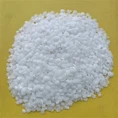


Hey there! As a supplier of carbonate of potassium, I've seen firsthand how crucial it is to store this chemical properly to prevent degradation. In this blog, I'll share some insights on the ideal storage conditions for carbonate of potassium, so you can keep your supply in top - notch condition.
Why Proper Storage Matters
Carbonate of potassium, also known as potassium carbonate, is a versatile chemical with a wide range of applications. You can check out more about its uses here: Potassium Carbonate Uses. It's used in industries like food processing, glass manufacturing, and even in some types of detergents. But if it's not stored correctly, it can degrade, which means it won't work as well in these applications.
When potassium carbonate degrades, it can lose its chemical properties. For example, it might absorb moisture from the air, which can cause it to clump together. This clumping not only makes it difficult to handle but can also change its reactivity. In some cases, degradation can lead to the formation of impurities, which can be a big problem, especially in industries where purity is key.
Temperature and Humidity
Let's start with temperature. Carbonate of potassium should be stored in a cool environment. High temperatures can accelerate the degradation process. A good rule of thumb is to keep the storage area at a temperature below 25°C (77°F). Why? Well, at higher temperatures, the chemical reactions that cause degradation happen more quickly. For instance, the reaction between potassium carbonate and moisture in the air is faster when it's hot.
Humidity is another major factor. Potassium carbonate is hygroscopic, which means it attracts and holds water molecules from the air. You can imagine it like a little sponge. If the humidity in the storage area is too high, the potassium carbonate will absorb a lot of water. This can lead to the formation of potassium bicarbonate over time, which is a different chemical with different properties.
To control humidity, it's a good idea to use a dehumidifier in the storage area. Aim for a relative humidity of less than 50%. You can also store the potassium carbonate in sealed containers to reduce its exposure to the surrounding air. This is especially important if you're dealing with Anhydrous Potassium Carbonate, which is even more sensitive to moisture.
Light and Air
Light might not be the first thing that comes to mind when you think about storing chemicals, but it can also play a role in the degradation of potassium carbonate. While it's not as sensitive to light as some other chemicals, it's still a good idea to store it in a dark place. Ultraviolet (UV) light can cause some chemical reactions in potassium carbonate, so keeping it away from direct sunlight or strong artificial light is a smart move.
Air also contains oxygen and other gases that can react with potassium carbonate over time. To minimize this, store the chemical in air - tight containers. If possible, use containers made of materials that are resistant to chemical corrosion, like high - density polyethylene (HDPE). This will help keep the air out and protect the potassium carbonate from oxidation and other air - related degradation processes.
Storage Containers
The type of container you use to store potassium carbonate is really important. As I mentioned earlier, air - tight containers are a must. For small quantities, you can use glass or plastic bottles with tight - fitting lids. Make sure the containers are clean and dry before you put the potassium carbonate in them. Any traces of moisture or other chemicals can cause problems.


For larger quantities, you might use drums or bulk storage tanks. These should also be made of materials that are compatible with potassium carbonate. Stainless steel is a good option for larger storage, as it's resistant to corrosion. However, make sure the stainless steel is of the right grade, as some grades might react with the chemical under certain conditions.
Labeling the containers is also crucial. Clearly mark them with the name of the chemical, the date of storage, and any other relevant information. This will help you keep track of your inventory and ensure that you use the oldest stock first.
Handling and Shelf Life
When handling potassium carbonate, you need to be careful. Avoid exposing it to open flames or sparks, as it's not flammable but can react with certain substances in the presence of heat. Also, wear appropriate personal protective equipment (PPE), like gloves and goggles, to protect yourself from any potential splashes or dust inhalation.
The shelf life of potassium carbonate can vary depending on how well it's stored. Under ideal conditions, it can last for several years. However, if the storage conditions are not right, its shelf life can be significantly reduced. Regularly check your stored potassium carbonate for any signs of degradation, like clumping or discoloration. If you notice any changes, it might be a sign that the chemical is starting to degrade.
Impact on Different Forms
Potassium carbonate comes in different forms, such as Potassium Carbonate Powder. The powder form is more sensitive to degradation compared to other forms. The small particle size of the powder means it has a larger surface area exposed to the air, which makes it more likely to absorb moisture and react with other substances.
For powder, it's even more important to store it in a very dry environment and in a container that can prevent air and moisture from getting in. You might also want to consider using desiccants in the storage container to absorb any excess moisture.
Conclusion
Proper storage of carbonate of potassium is essential to prevent degradation and ensure its effectiveness in various applications. By controlling temperature, humidity, light, and air, and using the right storage containers, you can extend the shelf life of your potassium carbonate supply.
If you're in the market for high - quality carbonate of potassium, I'm here to help. Whether you need a small amount for a research project or a large quantity for industrial use, I can provide you with the best product. Get in touch with me to start a procurement discussion and find out how I can meet your specific needs.
References
- Handbook of Chemical Storage and Handling
- Industrial Chemicals: Properties and Storage Guidelines