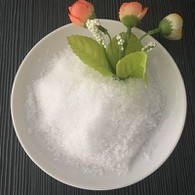
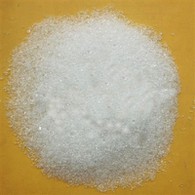
Water-Soluble Dipotassium Phosphate (DKP), also known as Dipotassium Hydrogen Phosphate or Potassium Phosphate Dibasic, is a premium, fully soluble nutrient source used in water-soluble NPKs, fertigation, foliar feeds, and liquid fertilizer formulations.
Technical Specifications and Procurement Parameters
|
Parameter |
Specification / Typical Value |
Technical Significance for Procurement |
|
Chemical Formula |
K2HPO4 |
Pure dipotassium salt |
|
CAS Number |
7758-11-4 |
Unique chemical identification |
|
Chemical Form |
Anhydrous Powder / Crystals |
Distinguish from Trihydrate form |
|
P2O5 Content |
40.0% - 41.0% |
Key phosphorus nutrient concentration |
|
K2O Content |
52.0% - 54.0% |
Key potassium nutrient concentration |
|
Water Solubility |
100% Fully Soluble |
Essential for liquid formulations and fertigation |
|
Water-Insoluble Matter |
<= 0.1% |
Prevents clogging in irrigation systems |
|
PH (1% Solution) |
8.8 - 9.3 |
Mildly alkaline character; affects blend compatibility |
|
Moisture / Loss on Drying |
<= 0.5% |
Determines storage stability and anti-caking properties |
Why Water Solubility and Low Insolubles Matter
For high-end fertilizer manufacturing, total nutrient analysis is only part of the evaluation. DKP must dissolve completely without leaving particulate residue. Excessive water-insoluble matter risks:
Equipment Clogging: Blocks micro-irrigation emitters, injectors, and fine spray nozzles.
Filtration Burden: Increases pressure drop and filter loading in commercial production lines.
Precipitation: Creates unwanted residue or sludge in stock tank solutions.
Recommended Qualification Procedure:
- Dissolve DKP at target concentration using process water.
- Measure dissolution speed and verify complete solution clarity.
- Test pH and monitor compatibility when blending with other soluble nutrients.
Key Applications
Fertigation and Hydroponics: Clean, highly available P and K source for drip systems without clogging emitters.
Water-Soluble NPK Blends: Provides concentrated P and K while allowing complete freedom to choose independent Nitrogen sources.
Foliar Nutrition: Mildly alkaline, chloride-free formula suitable for foliage application when buffered correctly.
Specialty Greenhouse Crops: Ideal for controlled-environment agriculture requiring precise salt index and strict purity limits.
Packaging and Logistics Specifications
Standard Packaging: 25 kg multi-wall paper/PE bags, 1000 kg Jumbo Bags with PE moisture-barrier liners.
Palletization: 1,000 kg per pallet, stretch-wrapped and shrink-hooded.
Loading Capacity: 20-22 MT per 20' FCL (palletized); up to 24 MT (unpalletized/loose loading).
Storage Advice: Store in a cool, dry, well-ventilated warehouse. Keep bags sealed to prevent moisture absorption and caking.
What to Include in Your RFQ
To receive an accurate and competitive quotation, please provide:
Required Form: Anhydrous or Trihydrate
Target Specification: Minimum P2O5 / K2O % and Max. Water-Insoluble %
Quantity: Trial sample size or full container load (FCL) volume
Packaging Format: 25 kg bags or Jumbo bags (Palletized / Non-palletized)
Destination Port / Country: For precise CIF/DAP freight calculations
Documentation Needed: TDS, COA, SDS, REACH, or Certificate of Origin
FAQ
Q: What is the CAS number and Molecular Weight of anhydrous DKP?
A: The CAS number is 7758-11-4, and the molecular weight of anhydrous DKP (K2HPO4) is 174.18 g/mol.
Q: What is the main difference between DKP and MKP?
A: DKP (K2HPO4) is dipotassium phosphate with a mildly alkaline pH (8.8 - 9.3). MKP (KH2PO4) is monopotassium phosphate with an acidic pH (4.2 - 4.7). They offer different P:K ratios and distinct solution pH profiles for formulation adjustments.
Q: Can DKP be mixed with calcium or magnesium fertilizers?
A: Direct mixing in concentrated stock tanks is not recommended, as high concentrations of soluble phosphates can react with calcium or magnesium to form insoluble precipitates. Mixing is generally acceptable only in fully diluted working solutions or properly buffered formulations.
Q: How should DKP be stored to prevent caking?
A: DKP is hygroscopic and absorbs ambient moisture. It should be stored in a temperature-controlled, dry warehouse, protected by moisture-proof inner liners, and resealed immediately after opening.
Q: What documentation should I request before placing a bulk order?
A: Before commercial approval, buyers should request a Technical Data Sheet (TDS), Safety Data Sheet (SDS), recent batch Certificate of Analysis (COA), Packaging Specification, and market-specific regulatory compliance certificates (e.g., EU Regulation 2019/1009 / REACH for European markets).
Hot Tags: water-soluble dipotassium phosphate (dkp), China water-soluble dipotassium phosphate (dkp) manufacturers, suppliers, factory