


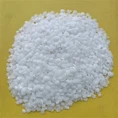


Hey there! As a supplier of Potassium Carbonate K2CO3, I've seen firsthand how this compound plays a crucial role in various industries. Today, I want to dive into its significance in the production of photographic chemicals.
The Basics of Potassium Carbonate K2CO3
First off, let's talk a bit about Potassium Carbonate K2CO3. It's an inorganic salt with some pretty interesting properties. You can check out more details about it on this page: Potassium Carbonate K2CO3. It's a white, granular powder that's soluble in water. This solubility is one of the key features that makes it so useful in different applications.
pH Regulation in Photographic Developers
One of the main roles of Potassium Carbonate K2CO3 in photographic chemicals is pH regulation. In photographic development, maintaining the right pH level is super important. The development process involves the reduction of silver halides in the photographic emulsion to metallic silver. This reaction is highly dependent on the pH of the developer solution.
Potassium Carbonate K2CO3 acts as a buffer, helping to keep the pH of the developer within the optimal range. A developer with the wrong pH can lead to all sorts of problems. If the pH is too low, the development process will be slow, and the resulting image may be faint and lacking in contrast. On the other hand, if the pH is too high, the development may be too rapid, causing over - development and fogging of the image.
The carbonate ions in Potassium Carbonate react with hydrogen ions in the solution, helping to neutralize any acid that might be present and maintain a stable alkaline environment. This ensures that the development process proceeds smoothly and consistently, producing high - quality images.
Solubility Enhancement
Another important aspect is its ability to enhance the solubility of other components in photographic chemicals. Some of the chemicals used in photographic developers, such as certain organic compounds, may have limited solubility in water. Potassium Carbonate K2CO3 can help to increase their solubility by forming complexes or by changing the ionic strength of the solution.
When the solubility of these components is improved, it allows for a more homogeneous distribution of the chemicals in the developer solution. This is crucial for uniform development across the entire photographic film or paper. If the components are not well - dissolved, there may be areas of uneven development, resulting in patchy or inconsistent images.
Use in Fixing Solutions
Potassium Carbonate K2CO3 also has a role in fixing solutions. Fixing is the process of removing the unexposed and undeveloped silver halides from the photographic emulsion after development. A common fixing agent is sodium thiosulfate.
Potassium Carbonate can be added to the fixing solution to adjust its pH and improve its performance. It helps to maintain the stability of the fixing solution and ensures that the fixing process is efficient. A well - functioning fixing solution is essential for producing long - lasting, archival - quality photographs. If the fixing process is not complete, the remaining silver halides can continue to react over time, causing the image to fade or discolor.
Compatibility with Other Chemicals
One of the great things about Potassium Carbonate K2CO3 is its compatibility with other chemicals used in photographic production. It can be used in combination with various developers, fixers, and other additives without causing any adverse reactions. This makes it a versatile and reliable component in the formulation of photographic chemicals.
For example, it can work well with developing agents like hydroquinone and metol. These agents are commonly used in black - and - white photographic developers. Potassium Carbonate can enhance their performance by providing the right chemical environment for the development reaction to occur.
Industrial - Grade Potassium Carbonate for Photographic Use
If you're in the photographic chemical production business, you might be interested in Potassium Carbonate Industrial Grade. Industrial - grade Potassium Carbonate is specifically formulated to meet the high - quality standards required for industrial applications, including photographic chemical production.
It is produced with strict quality control measures to ensure its purity and consistency. This is essential because even small impurities in the Potassium Carbonate can have a significant impact on the performance of the photographic chemicals. For example, impurities could react with other components in the solution, causing unwanted side reactions or affecting the pH stability.
Other Uses of Potassium Carbonate
While we're on the topic of Potassium Carbonate, it's worth mentioning that it has many other uses beyond photographic chemicals. You can learn more about these uses on this page: Potassium Carbonate Uses.
It's used in the production of glass, where it helps to lower the melting point of the glass batch and improve its workability. It's also used in the food industry as a food additive, in the production of soap and detergents, and in the textile industry for dyeing and printing processes.
Why Choose Our Potassium Carbonate K2CO3
As a supplier of Potassium Carbonate K2CO3, we take pride in offering high - quality products. Our Potassium Carbonate is produced using the latest manufacturing techniques and undergoes rigorous quality testing.


We understand the specific requirements of the photographic industry and can provide the right grade and quality of Potassium Carbonate for your photographic chemical production needs. Whether you need a small quantity for research and development or a large - scale supply for commercial production, we've got you covered.
Contact Us for Your Potassium Carbonate Needs
If you're in the business of producing photographic chemicals and are looking for a reliable source of Potassium Carbonate K2CO3, don't hesitate to get in touch. We're here to answer any questions you may have and to help you find the best solution for your needs. Whether you're a small - scale photo lab or a large - scale photographic chemical manufacturer, we can provide the support and products you require.
References
- "The Chemistry of Photography" by Henry Horenstein.
- "Photographic Materials and Processes" by Thomas H. James.