




In the realm of disinfectant production, the role of various chemical compounds is crucial, and aluminium nitrate stands out as a significant player. As a supplier of Aluminium Nitrate Uses, I have witnessed firsthand the diverse applications and benefits of this compound in the disinfection industry. This blog post aims to explore the uses of aluminium nitrate in the production of disinfectants, shedding light on its scientific basis and practical implications.
Chemical Properties of Aluminium Nitrate
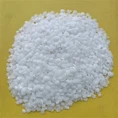
Aluminium nitrate exists in different forms, with Aluminium Nitrate Nonahydrate being a common one. The chemical formula of aluminium nitrate nonahydrate is Al(NO₃)₃·9H₂O. It is a crystalline substance that is highly soluble in water. This solubility is a key factor in its application in disinfectant production, as it allows for easy formulation into liquid disinfectant solutions.
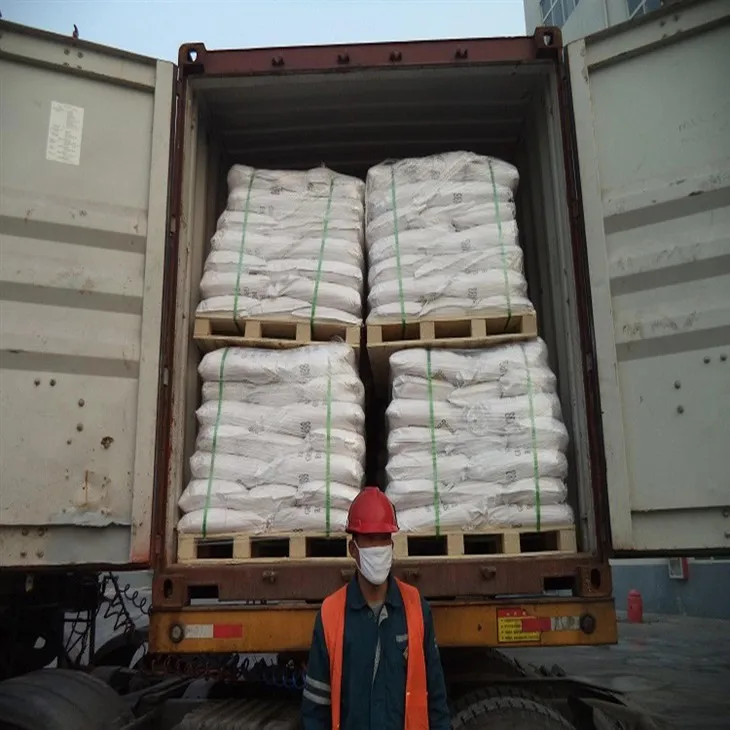

The compound is hygroscopic, meaning it can absorb moisture from the air. This property can be both an advantage and a challenge in the production process. On one hand, it can help in maintaining the moisture content in certain disinfectant formulations, which is important for the stability and effectiveness of the active ingredients. On the other hand, proper storage and handling are required to prevent excessive absorption of moisture, which could lead to clumping or degradation of the product.
Antimicrobial Mechanisms
One of the primary reasons for using aluminium nitrate in disinfectants is its antimicrobial activity. Aluminium ions (Al³⁺) released from aluminium nitrate can interact with the cell membranes of microorganisms. The positively charged aluminium ions can disrupt the negatively charged cell membrane of bacteria, fungi, and other pathogens. This disruption can lead to the leakage of intracellular components, such as proteins and nucleic acids, ultimately causing the death of the microorganism.
Moreover, aluminium ions can also interfere with the enzymatic activities within the microbial cells. Enzymes are essential for various metabolic processes in microorganisms, such as energy production and DNA replication. By binding to the active sites of these enzymes, aluminium ions can inhibit their function, thereby preventing the growth and survival of the pathogens.
Disinfectant Formulations
Aluminium nitrate can be used in a variety of disinfectant formulations, depending on the specific application and target microorganisms.
Surface Disinfectants
In surface disinfectants, aluminium nitrate is often combined with other active ingredients, such as alcohols or quaternary ammonium compounds. The combination can enhance the overall disinfection efficacy. For example, the addition of aluminium nitrate to an alcohol - based surface disinfectant can improve its long - term antimicrobial activity. Alcohol can rapidly kill a wide range of microorganisms on contact, but its effect may be short - lived. Aluminium nitrate, on the other hand, can provide a residual antimicrobial effect, preventing the regrowth of bacteria and fungi on the treated surfaces.
Water Disinfection
In water treatment, aluminium nitrate can be used as a coagulant and disinfectant. When added to water, aluminium nitrate hydrolyzes to form aluminium hydroxide flocs. These flocs can adsorb suspended particles, including microorganisms, in the water. As the flocs settle, they carry the pathogens with them, effectively removing them from the water. At the same time, the aluminium ions released during the hydrolysis process can also have a direct antimicrobial effect on the remaining microorganisms in the water.
Air Disinfection
In some advanced air disinfection systems, aluminium nitrate can be incorporated into aerosolized disinfectant formulations. When the aerosol is released into the air, the aluminium nitrate particles can come into contact with airborne microorganisms. The antimicrobial action of aluminium nitrate can help in reducing the microbial load in the air, which is particularly important in environments such as hospitals, laboratories, and industrial cleanrooms.
Advantages of Using Aluminium Nitrate in Disinfectants
Broad - Spectrum Activity
Aluminium nitrate has a broad - spectrum antimicrobial activity, which means it can be effective against a wide range of bacteria, fungi, and viruses. This makes it a versatile ingredient in disinfectant production, as it can be used to treat different types of contamination in various settings.
Stability
Compared to some other disinfectant ingredients, aluminium nitrate is relatively stable under normal storage conditions. It can maintain its antimicrobial activity over a long period, which is beneficial for the shelf - life of the disinfectant products.
Compatibility
Aluminium nitrate is compatible with many other chemicals commonly used in disinfectant formulations. This allows for the development of complex disinfectant products with enhanced performance. For example, it can be combined with surfactants to improve the wetting and spreading properties of the disinfectant on surfaces.
Challenges and Considerations
Toxicity
Although aluminium nitrate has antimicrobial properties, it is important to consider its potential toxicity. High levels of aluminium exposure can be harmful to humans and the environment. In the human body, excessive aluminium intake can accumulate in various organs, such as the brain, bones, and kidneys, and may cause neurological and other health problems. Therefore, in the production of disinfectants, strict control of the concentration of aluminium nitrate is necessary to ensure that the products are safe for use.
Environmental Impact
The disposal of disinfectants containing aluminium nitrate can have an impact on the environment. Aluminium ions can accumulate in soil and water bodies, potentially affecting the growth of plants and the health of aquatic organisms. Proper waste management and treatment are required to minimize the environmental impact of aluminium nitrate - containing disinfectants.
Quality Control and Production Standards
As a supplier of Aluminium Nitrate Uses, we adhere to strict quality control and production standards. Our Aluminium Nitrate Crystal products are produced using high - purity raw materials and advanced manufacturing processes. We conduct comprehensive quality tests on our products to ensure that they meet the required specifications for disinfectant production.
These tests include analysis of the chemical composition, purity, and particle size of the aluminium nitrate crystals. We also test the antimicrobial activity of the products to ensure their effectiveness in disinfectant formulations. By maintaining high - quality standards, we can provide our customers with reliable and effective aluminium nitrate products for their disinfectant production needs.
Conclusion
Aluminium nitrate plays a significant role in the production of disinfectants. Its unique chemical properties, antimicrobial mechanisms, and versatility in different formulations make it a valuable ingredient in the disinfection industry. However, it is important to address the challenges associated with its use, such as toxicity and environmental impact, through proper formulation, quality control, and waste management.
As a leading supplier of aluminium nitrate products, we are committed to providing high - quality and safe products to our customers. If you are involved in the production of disinfectants and are interested in learning more about our aluminium nitrate products or discussing potential procurement opportunities, please feel free to reach out to us. We look forward to the opportunity to collaborate with you and contribute to the development of effective and safe disinfectant solutions.
References
- "Handbook of Disinfection and Sterilization", Third Edition, Edited by Seymour S. Block
- "Water Treatment Chemicals: Fundamentals and Practice", Second Edition, by David W. Hendricks
- Research papers on the antimicrobial activity of aluminium compounds in scientific journals such as "Applied and Environmental Microbiology" and "Journal of Antimicrobial Chemotherapy"