Company Profile
Shanxi Wencheng Chemical Co., Ltd. is a chemical enterprise that engages in producing, developing and marketing inorganic potassium salt products. It has two production bases. Wencheng is situated in the base of Shanxi energy resources and heavy chemical industry. They enjoy a convenient transportation for they are only 70km away from Taiyuan City -- the capital of Shanxi province. As a window of international trade, Shanxi Wencheng Chemical Co., Ltd has independent import and export rights.
Why Choose Us
Rich Experience: With over 20 years of experience in the chemical industry, we have developed a strong foundation of knowledge and expertise. Our team of professionals understands the complexities of chemical manufacturing and can provide valuable insights and solutions for your specific requirements.
Quality Control: At Us Chemical Co., Ltd., quality is our utmost priority. We adhere to strict quality control measures at every stage of the production process to ensure that our chemicals meet the highest standards.
Advanced Equipment: Our state-of-the-art laboratory is equipped with advanced testing equipment, allowing us to perform rigorous quality checks and guarantee the purity and effectiveness of our products.
Custom Service: Our team will work closely with you to develop tailored chemicals based on your specifications. We are committed to providing flexible and innovative solutions that give you a competitive edge in the market.your doorstep.

Calcium nitrate crystals is a white columnar crystal, which belongs to monoclinic crystal system. The relative density is 1.82, the melting point is 39.7℃, it is decomposed at about 40℃, and it is completely dehydrated into anhydrous calcium nitrate water when heated to 151℃.
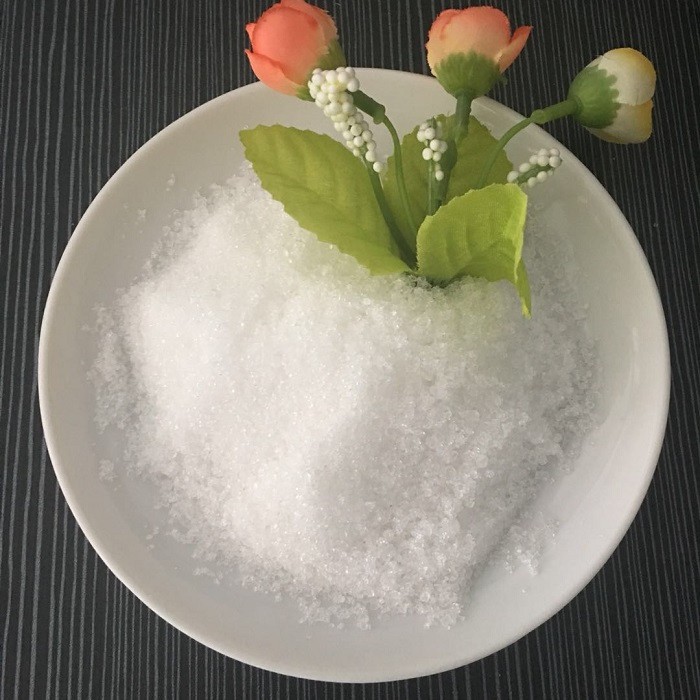
Calcium nitrate water soluble is an inorganic compound with the formula Ca(NO3)2. It is a white crystalline powder with two kinds of crystals. Calcium nitrate water soluble is colorless transparent monoclinic crystal.

Calcium nitrate fertilizer is colorless transparent monocline crystal, easily soluble in water, methanol and ethanol. Calcium nitrate fertilizer is deliquescent in the air. Calcium nitrate fertilizer is also an oxidant, and so is combustible and explosive to organic substances and sulfur.
What is Calcium Nitrate Fertilizer?
Calcium nitrate fertilizer is a water-soluble chemical solution that provides plants with supplemental calcium and nitrogen. These elements are the physiological building blocks for strong, disease-resistant plants.
Calcium nitrate doesn't occur in nature - It's made by mixing inorganic calcium and nitrogen. This is done by combining limestone and nitric acid, followed by ammonia. Calcium nitrate fertilizers are most often used by farmers for better crop production. However, this doesn't mean the home gardener can't or shouldn't use calcium nitrate for their fruits, vegetables, and house plants.
Benefits of Calcium Nitrate Fertilizer
Improves Plant Structure
Calcium strengthens cell walls, leading to sturdier plants with improved resistance to pests and diseases.
01
Enhances Root Development
Calcium is vital for root elongation and overall root health, supporting nutrient uptake and water absorption.
02
Prevents Nutrient Deficiencies
Supplies readily available calcium and nitrogen, preventing deficiencies that can lead to poor growth and reduced yields.
03
Increases Fruit Quality
Helps prevent physiological disorders like blossom end rot in tomatoes, bitter pit in apples, and tip burn in lettuce.
04
Boosts Leafy Growth
Nitrogen promotes vigorous leafy growth, essential for crops like leafy greens, corn, and other nitrogen-demanding plants.
05
Functions of Calcium Nitrate fertilizers is the function of calcium in plants
Provides Calcium
Offers a convenient supply of calcium, which is very important for plant cell walls and their strength. This makes plant cell walls stronger, improving the overall toughness of plants.
Supplies Nitrogen
Helps plants get easy-to-use nitrogen from the air. Nitrogen is very important for many things plants do, like making food from sunlight and building proteins. This allows the plant to grow more.
Prevents Calcium Deficiency
Stops plants from being low in calcium, stopping problems like tomato and pepper issues. Fruits need the right amount of calcium to grow well and taste good.
Improves Nutrient Uptake
Helps plants take in other important nutrients better. Having enough calcium helps us take in other minerals like potassium and magnesium. This makes our food healthy. Read more to understand the calcium nitrate fertilizer uses and functions.
Regulates pH
It aids in controlling the acidity and alkalinity of dirt. Calcium Nitrate has a balanced acid level, helping to keep good soil for plant growth.
Improves Soil Aeration and Structure
Enhances soil structure and aeration. The calcium part makes soil clump together, lessening how packed it gets and improving water flow into the ground. It is also good for roots to grow larger.
Reduces Soil Salinity
Fixes soil saltiness by giving calcium. It fights with sodium ions and helps make the ground better in salty places.
Foliar Spray
It works well as a spray on plant leaves when mixed in water. It quickly and directly gives plants the nutrients they need. This method is very helpful for rapidly dealing with nutrient shortages.
Types of Calcium Nitrate Fertilizers
Granular Calcium Nitrate
This is a solid form of calcium nitrate and a favorite among farmers and gardeners thanks to its versatility and effectiveness. Whether you want to give your plants a calcium and nitrogen boost via the soil or a foliar spray, granular calcium nitrate can do the job.
Liquid Calcium Nitrate
Liquid calcium nitrate fertilizer is a form of calcium nitrate that comes in a liquid state. It boasts high solubility, making it particularly convenient for applications to plants and soil. This type of fertilizer is prevalent in hydroponic systems, where it can be quickly and easily dissolved in water.
Calcium Ammonium Nitrate
This type of fertilizer combines calcium nitrate and ammonium nitrate, making it a powerful component that supplies plants with much-needed calcium, a highly available form of nitrogen that plants can use immediately, and finally, ammonium. With its trifecta of nutrients, calcium ammonium nitrate is a popular choice for those looking to maximize plant growth and yield.
Calcium Nitrate with Boron
Calcium nitrate infused with boron is a specific type of fertilizer that incorporates the vital micronutrient boron, which plays a crucial role in supporting the growth and development of plants. This fertilizer is advantageous for crops particularly vulnerable to boron insufficiencies, such as grapes, apples, and almonds.
How to Apply Calcium Nitrate Fertilizer
Soil Application
Preparation
Test the soil to determine its nutrient content and pH levels. Adjust soil pH to 6.0-7.0 for optimal nutrient availability.
Granular Application
Spread the granular fertilizer evenly over the soil surface and incorporate it into the top few inches of soil. Water thoroughly to help dissolve the fertilizer and move it into the root zone.
Rate
Use approximately 1-2 pounds of calcium nitrate per 100 square feet of garden area, adjusting based on specific crop needs and soil test results.
Foliar Application
Preparation
Dissolve calcium nitrate in water according to the manufacturer's instructions, typically at a rate of 1-2 tablespoons per gallon of water.
Timing
Apply during the early morning or late afternoon to avoid leaf burn from direct sunlight.
Application
Spray the solution evenly on the foliage, ensuring thorough coverage but avoiding runoff. Repeat every 10-14 days as needed.
Fertigation
System Setup
Use calcium nitrate in drip irrigation or sprinkler systems to deliver nutrients directly to the root zone.
Dilution
Dissolve calcium nitrate in the irrigation water, following the manufacturer's guidelines for concentration.
Application
Schedule regular fertigation sessions based on crop requirements and growth stages.
Applications of Calcium Nitrate Fertilizer
Although this master fertilizer calcium for plants is applied across field crop cultivation, fruit & vegetable production, and turfgrass management, it is important to understand how to use it safely;
Finalize a simple & impact application method
Different farmers have different perspectives and other calcium nitrate uses. Calcium nitrate can be used in many ways to fit different kinds of gardening. For a slow and steady release, try using soil soaking. Just mix in the right amount of water and put it directly on your plants' soil.
Sprays on leaves, on the other hand, are faster. They give nutrients now to leaves right away. This works really well for fixing blossom-end rot or stopping low calcium in fruits. For those who know about technology, systems for giving water and nutrients at the same time can provide food just right. This is great for big gardens or farming jobs that need a lot of work.
Find a balance
Remember, calcium nitrate is a strong worker in your garden system. Keep these factors in mind for a harmonious application:
Soil pH
Calcium nitrate can make soil a bit more acidic. If your ground is already a bit too sour, think about using lime to fix it before you apply anything else.
Crop Sensitivity
Some plants, like potatoes, can be harmed by too much nitrate. Change the amount of fertilizer used or pick a different type for these plants.
Other Fertilizers
Keep in mind possible issues with other fertilizers. Using too much nitrogen together can cause problems with nutrients.
Calcium nitrate fertilizers are a type of inorganic fertilizer that contains the chemical compound calcium nitrate. Typically, this compound consists of one calcium ion and two nitrate ions.
Calcium nitrate is produced by combining nitric acid with calcium carbonate or hydroxide. The resulting compound is then dehydrated, yielding calcium nitrate as a white, crystalline substance highly soluble in water.
When farmers apply calcium nitrate to soil or plants, it dissociates into calcium and nitrate ions. Calcium ions are taken up by the plant roots and used for various physiological processes such as cell well development, enzyme activation, and regulation of osmotic pressure. Plants use nitrate ions as a nitrogen source, an essential component of chlorophyll and required for protein synthesis.
Chemical nitrate fertilizers are unique in providing calcium and nitrogen to plants. This is important because calcium is often deficient in soils, while nitrogen is one of the most limiting nutrients for plant growth. Calcium nitrate fertilizers can help improve plant growth and yield by providing both nutrients.
The chemistry of calcium nitrate fertilizers is an essential consideration for farmers and gardeners. It determines the nutrients available to plants and the impact the fertilizer may have on soil pH.
Factors Affecting the Performance Of These Fertilizers
While calcium nitrate fertilizers are a popular choice for farmers and gardeners due to their ability to provide essential nutrients to plants, the performance of these fertilizers can be influenced by various factors. Hence, understanding these factors is crucial in ensuring the plants receive the nutrients necessary for healthy growth and development.
Soil pH
Soil pH is a significant factor determining calcium nitrate fertilizer's effectiveness. If the soil's pH is too acidic or alkaline, the plant cannot absorb the nutrients in the fertilizer effectively. These fertilizers work best in soils with a pH range of 6.0 to 7.5. Therefore, measuring the soil pH before applying calcium nitrate fertilizers is essential to ensure the earth is within the optimal range.
01
Temperature
The soil temperature also affects the uptake of nutrients by plants. Cold soil temperatures can slow nutrient absorption, leading to poor plant growth. It is recommended to apply calcium nitrate fertilizer when the soil temperature is above ten-degree celsius, the optimal temperature range for nutrient uptake by the plant.
02
Water Availability
Water is crucial for the uptake of calcium nitrate by plants. Plants cannot absorb the nutrients in fertilizers if the soil is too dry. Therefore, ensuring the soil is adequately moist before applying the calcium nitrate fertilizers is vital. Farmers should use these fertilizers before rainfall or irrigation events to ensure even distribution throughout the ground.
03
Plant Species
Different plant species have different nutrient requirements. And while calcium nitrate fertilizer benefits most plants, some species may require higher or lower amounts of calcium and nitrogen. As such, there is a need to understand the nutrient requirements of the specific plant species being grown to adjust the calcium nitrate application rates according.
04
Application Rate
Speaking of application rate, the fertilizer amount applied also affects its performance. Overapplication of calcium nitrate can lead to excessive growth, weakening the plant's structure and making it more susceptible to disease and pest infestation. On the other hand, under-application can result in poor plant growth and reduced crop yields.
05
When should I apply calcium nitrate fertilizer to my tomato plants?
The timing of calcium nitrate fertilizer application to tomato plants is crucial for maximizing its benefits and ensuring healthy growth. Here's a more detailed explanation of when and how to apply calcium nitrate fertilizer to your tomato plants:
Initial Application
Begin applying calcium nitrate fertilizer when your tomato plants have reached a height of approximately 12 inches (30 cm). At this stage, the plants are actively growing, and their root systems are developing. Providing calcium early helps prevent calcium-related disorders such as blossom-end rot from occurring later in the growing season.
Repeat Applications
Throughout the growing season, continue to apply calcium nitrate fertilizer on a regular basis. Repeat the application every 2-4 weeks. This consistent supply of calcium supports ongoing growth and fruit development.
Soil Testing
To fine-tune your fertilizer application schedule, consider conducting soil tests at the beginning of the season and periodically thereafter. Soil tests can help determine the nutrient levels in your soil and whether any adjustments are needed.
Avoid Over-Fertilization
While it's essential to provide a consistent supply of calcium, be cautious not to over-fertilize. Overuse of calcium nitrate or excessive fertilization, in general, can lead to nutrient imbalances and potentially harm your tomato plants. Follow the manufacturer's recommendations for application rates.
Foliar Feeding
In addition to soil application, you can also apply calcium nitrate fertilizer as a foliar spray. This involves spraying a diluted solution directly onto the leaves. Foliar feeding can provide a quick nutrient boost, but it should not replace soil application entirely. Use foliar spraying in conjunction with soil applications for the best results.
Watering After Application
After applying calcium nitrate fertilizer, water your tomato plants thoroughly. This helps dissolve the fertilizer and allows the roots to absorb the nutrients effectively.
Monitor Plant Health
Throughout the growing season, keep a close eye on the health of your tomato plants. Watch for signs of calcium-related disorders like blossom-end rot and adjust your fertilizer application schedule if necessary.
our Certificate


FAQ
Hot Tags: calcium nitrate fertilizer, China calcium nitrate fertilizer manufacturers, suppliers, factory, calcium nitrate for young plants, calcium nitrate for protecting plants, calcium nitrate for plant aesthetics, nitrate calcium for plant potting mix, nitrate calcium for promoting plant flowering, Calcium Nitrate Water Soluble